

What normal shedding looks like
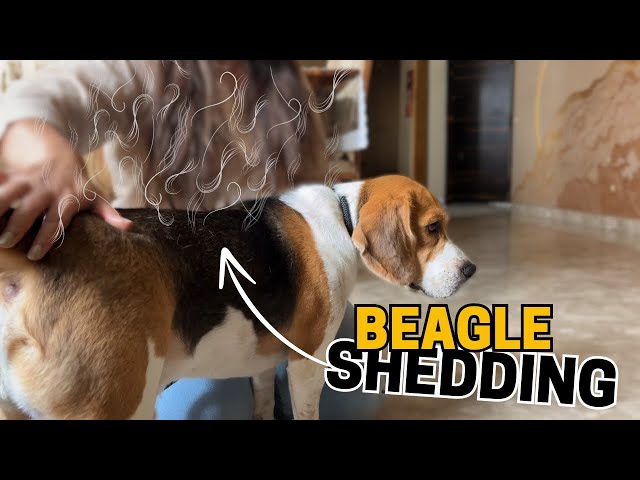
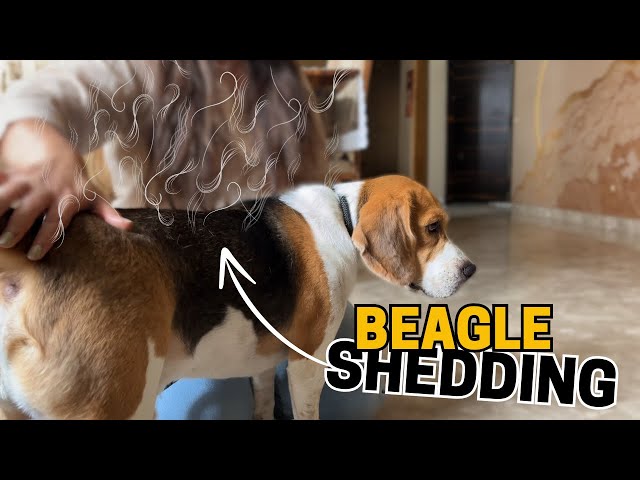
Beagles drop a lot of hair. If you own one, you're already cleaning it off your couch. They aren't constant shedders, but they have heavy seasonal shifts that require a specific routine to keep the house clean.
Beagles experience a natural shedding cycle, meaning they aren’t constantly blowing their coat. You'll generally see increased shedding twice a year, during the spring and fall, as they adjust to temperature changes. This is their body’s way of preparing for warmer or colder weather. Puppy shedding is different; they'll gradually lose their puppy coat as they mature, often appearing more gradual than the seasonal shifts.
Knowing what’s normal is key. A moderate amount of loose fur is expected, especially during peak shedding seasons. However, excessive shedding – bald patches, constant scratching, or a very dull, brittle coat – could indicate an underlying health issue and warrants a visit to your veterinarian. It's always best to err on the side of caution when it comes to your Beagle’s well-being.
How their double coat works
To really get a grip on Beagle shedding, it helps to understand what’s happening beneath the surface. All mammals with fur go through a hair growth cycle consisting of three phases: anagen (growth), catagen (transition), and telogen (resting/shedding). The length of each phase varies by breed and individual dog.
Beagles have a short, dense double coat. That means they have an undercoat designed to provide insulation, and a topcoat for protection. The undercoat is a major contributor to the amount of hair you'll find around the house. During shedding season, more hairs enter the telogen phase simultaneously, leading to a noticeable increase in loose fur.
Several factors can influence this cycle. Diet plays a huge role – a poor diet can lead to a dull coat and increased shedding. Stress, whether from environmental changes or separation anxiety, can also disrupt the hair growth cycle. Finally, underlying health conditions, like allergies or hormonal imbalances, can cause excessive shedding. Addressing these factors is critical for managing the shedding.
Seven ways to manage the mess
You can't stop a Beagle from shedding, but you can catch the hair before it hits the floor. These seven steps focus on removing the undercoat and keeping the skin healthy enough to hold onto the fur it has.
These methods aren’t about stopping shedding entirely, but about managing it and keeping your Beagle’s coat healthy. Don't expect miracles, but you will see a difference with regular effort. Combining several of these methods will likely yield the best results.
It's also worth noting that what works best can vary from Beagle to Beagle. You may need to experiment to find the combination of techniques that suits your dog's individual needs.
1) Regular Brushing
Regular brushing is the cornerstone of Beagle shedding management. It removes loose hair before it ends up on your furniture and clothes. It also helps distribute natural oils throughout the coat, promoting a healthy shine. Aim for at least two to three times a week during non-shedding seasons and daily during peak shedding periods.
Brushing doesn’t just remove loose fur; it also stimulates blood circulation in the skin, which supports healthy hair growth. It’s a great way to bond with your Beagle as well. Make it a positive experience with treats and praise.
2) Bathing
Bathing helps loosen and remove dead hair. However, over-bathing can strip the coat of its natural oils, leading to dryness and increased shedding. Once every one to two months is generally sufficient, unless your Beagle gets particularly dirty.
Use a dog-specific shampoo formulated for sensitive skin. Human shampoos can be too harsh. Be sure to rinse thoroughly to remove all traces of shampoo, as residue can cause irritation.
3) Diet & Supplements
A high-quality diet is foundational for a healthy coat. Look for dog food that lists a named meat source (like chicken or beef) as the first ingredient. Ensure the food contains adequate levels of protein, as protein is essential for hair growth.
Omega-3 and Omega-6 fatty acids are particularly important for skin and coat health. You can supplement your Beagle’s diet with fish oil or flaxseed oil. While
Vitamin E is another beneficial nutrient for coat health. A well-balanced diet should provide enough Vitamin E, but your vet can advise if supplementation is needed.
Deshedding Tool Comparison for Beagle Coats
| Price Range | Ease of Use | Effectiveness on Beagle Coat | Potential for Skin Irritation |
|---|---|---|---|
| Medium | High | Medium | Low |
| Low | Medium | Medium | Medium |
| Low | High | Low | Low |
Illustrative comparison based on the article research brief. Verify current pricing, limits, and product details in the official docs before relying on it.
4) Deshedding Tools
Deshedding tools, like the Furminator, are designed to remove the loose undercoat. They can be very effective, but they should be used with caution. Overuse can irritate the skin and damage the coat. Follow the manufacturer’s instructions carefully.
The Beagle Care YouTube channel recommends using these tools sparingly, focusing on areas where shedding is most noticeable. They emphasize the importance of gentle pressure to avoid discomfort for your dog.
Brushing: Tools and Technique
Choosing the right brush is important. A slicker brush is good for removing mats and tangles. A rubber curry comb is gentle and effective for loosening and removing loose fur, especially during baths. An undercoat rake is specifically designed to remove the undercoat, but should be used carefully to avoid irritation.
When brushing, start at the head and work your way back towards the tail. Use gentle, even strokes in the direction of hair growth. Pay attention to areas prone to matting, such as behind the ears and under the legs. Be gentle, especially if your Beagle has sensitive skin.
Avoid applying too much pressure, as this can cause discomfort. If you encounter a mat, try to gently work it out with your fingers or a detangling spray before using a brush.
Diet’s Role in a Healthy Coat
We touched on this earlier, but it bears repeating: diet is fundamental. Omega-3 and Omega-6 fatty acids are crucial for maintaining a healthy skin barrier, which reduces inflammation and shedding. Sources include fish oil, flaxseed oil, and certain dog food formulas.
Protein is the building block of hair, so ensure your Beagle is getting enough high-quality protein in their diet. Vitamin E acts as an antioxidant, protecting skin cells from damage.
While there are many excellent dog food brands on the market, it’s essential to consult with your veterinarian to determine the best diet for your Beagle’s individual needs. They can also advise on appropriate supplementation.
Deshedding Tools: What Works?
The Furminator is a popular choice, known for its effectiveness in removing undercoat. However, it's easy to overuse and can cause skin irritation if not used properly. The Zoom Groom is another option, which is a rubber brush that works well for short-haired breeds like Beagles.
Generally, deshedding tools work best on dogs with thick undercoats. Beagles do have an undercoat, but it's not as dense as some other breeds, so you may not see dramatic results. It's important to follow the manufacturer’s instructions and use the tool gently.
When to See a Vet
Most shedding in Beagles is normal and manageable with the methods we’ve discussed. However, certain signs warrant a trip to the veterinarian. These include sudden, dramatic increases in shedding, bald patches, excessive scratching or licking, redness, inflammation, or changes in skin texture.
These symptoms could indicate allergies, parasites (like fleas or mites), skin infections, or hormonal imbalances. Your vet can diagnose the underlying cause and recommend appropriate treatment. Conditions like hypothyroidism can also cause excessive shedding.
Regular vet checkups are crucial for maintaining your Beagle’s overall health, including their skin and coat. Don't hesitate to consult your vet if you're concerned about your Beagle’s shedding.
No comments yet. Be the first to share your thoughts!