

Beagles in 2026: A Longer Life?
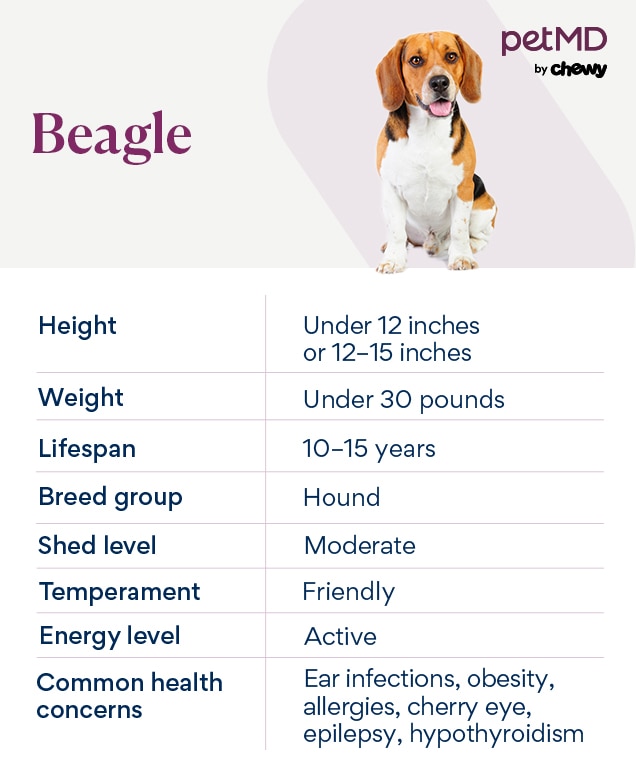
Beagles have always charmed us with their playful nature. Now, they're living longer, healthier lives. The typical Beagle lifespan of 12 to 15 years is being challenged, with more dogs reaching 16 and beyond. This shift comes from advances in veterinary medicine and owners' commitment to better care.
We now consider our dogs family members, leading us to invest more in their health. Owners are more proactive with preventative care, seeking advanced diagnostics and treatments, and prioritizing their Beagle’s quality of life. While this is a positive trend, we should maintain realistic expectations.
Extending a Beagle’s life means adding healthy years, minimizing suffering, and maximizing comfort. While a 16+ year lifespan isn't guaranteed, the tools and knowledge to strive for it are more available than ever. Let's look at those advances and what they mean for your Beagle’s future.

Decoding the Beagle Genome
Genetics significantly influence a Beagle’s predisposition to certain health conditions and their lifespan. Beagles are prone to hip dysplasia, glaucoma, epilepsy, and cherry eye. Understanding these genetic vulnerabilities is the first step toward proactive prevention. Genetic testing has become more sophisticated recently.
These tests identify carriers of specific genes associated with disease, helping owners and breeders make informed decisions. For example, knowing a Beagle carries a gene for progressive retinal atrophy (PRA) allows for early monitoring and interventions to slow its progression. The UC Davis Biotechnology Program is researching the canine genome and developing therapies to extend pet lifespans.
Researchers are also exploring genes associated with longevity and resilience. Understanding the genetic factors that contribute to a long, healthy life could lead to strategies to enhance these traits in Beagles and other breeds. This field is still evolving, but its potential is significant.
- Hip Dysplasia: A malformation of the hip joint.
- Glaucoma: Increased pressure within the eye.
- Epilepsy: Recurrent seizures.
- Cherry Eye: Prolapse of the gland of the third eyelid.
Preventative Care: The New Standard
Veterinary care is shifting from reactive treatment to proactive prevention. This means more frequent and comprehensive checkups, starting with puppy wellness exams and continuing throughout a Beagle’s life. Annual or bi-annual checkups are now standard, allowing vets to establish a health baseline and monitor for subtle changes.
Advanced diagnostics are also crucial. Blood and urine tests can detect early signs of organ dysfunction or infection, while X-rays and ultrasounds identify structural abnormalities. Personalized vaccination protocols are another key component of preventative care. Veterinarians tailor schedules to individual dogs based on lifestyle, risk factors, and local disease prevalence.
Early detection is paramount, especially for age-related diseases like kidney disease, heart disease, and cancer, which are more treatable when caught early. Regular bloodwork, starting around age seven, can help identify these conditions before they become symptomatic. This is an investment in your Beagle’s long-term health.
Nutrition’s Impact on Beagle Years
A tailored diet is essential for a Beagle’s health at every life stage. Puppies need nutrient-rich food for growth, while adults need a balanced diet for optimal weight and energy. As Beagles age, their metabolism slows, and their nutritional needs change. Senior formulas often have fewer calories and more fiber.
High-quality protein is crucial for muscle mass, while omega-3 fatty acids support joint health and cognitive function. Antioxidants protect cells from free radical damage that contributes to aging. Avoid overfeeding, as Beagles are prone to obesity, which can worsen health problems and shorten lifespan.
Nutrigenomics explores how diet interacts with a dog’s genes. This research suggests we may eventually personalize diets based on an individual Beagle’s genetic makeup to maximize their health potential. For now, focus on a high-quality, balanced diet appropriate for their age and activity level.
Dog Food Options for Beagles: A Comparative Overview
| Food Type | Cost (Relative) | Convenience | Nutritional Completeness | Considerations for Beagles |
|---|---|---|---|---|
| Kibble | Generally Lowest | Very High | Often Complete & Balanced (look for AAFCO statement) | Potential for higher carbohydrate content; choose formulas designed for activity level to manage weight. |
| Wet Food | Moderate | High | Typically Complete & Balanced | Higher moisture content can be beneficial; may contribute to dental issues if fed exclusively. |
| Raw Food | Highest | Low | Potentially Complete (requires careful formulation) | Requires significant research and careful handling to avoid bacterial contamination; not recommended for households with immunocompromised individuals. |
| Home-Cooked | Moderate to High | Very Low | Requires Veterinary Nutritionist Formulation | Allows for complete control over ingredients; time-consuming and requires expert guidance to ensure nutritional adequacy. Beagles are prone to obesity, so portion control is crucial. |
| Limited Ingredient Kibble | Moderate | High | Complete & Balanced (look for AAFCO statement) | Useful for Beagles with food sensitivities or allergies; simplifies ingredient identification. |
| Grain-Free Kibble | Moderate | High | Complete & Balanced (look for AAFCO statement) | May be considered if a Beagle has a diagnosed grain allergy (rare); potential link to dilated cardiomyopathy (DCM) is being researched - discuss with your vet. |
Illustrative comparison based on the article research brief. Verify current pricing, limits, and product details in the official docs before relying on it.
Breakthroughs in Treating Common Beagle Ailments
Beagles are prone to certain health issues, but treatment options are improving. Hip dysplasia, a common concern, can be addressed with advanced surgical techniques like total hip replacement, physical therapy, and pain management strategies. These interventions can significantly improve a Beagle’s mobility and quality of life.
Glaucoma, a potentially blinding eye condition, is managed with newer medications that lower intraocular pressure and surgical options like cyclophotocoagulation. Early detection and prompt treatment are critical to preserving vision. Epilepsy, characterized by recurrent seizures, benefits from novel anticonvulsant medications with fewer side effects.
PetMD highlights common Beagle health concerns, including hypothyroidism and intervertebral disc disease. Advances in diagnostics and treatment protocols help Beagles live longer, healthier lives with these conditions. Success rates with surgeries and medications are improving, along with our understanding of managing chronic illnesses.
The Rise of Regenerative Medicine
Regenerative medicine holds promise for treating age-related conditions in Beagles. Stem cell therapy and platelet-rich plasma (PRP) are emerging therapies that promote tissue repair and reduce inflammation. Stem cells can differentiate into various cell types, helping regenerate damaged cartilage in joints affected by arthritis.
PRP, derived from the dog’s own blood, contains growth factors that stimulate healing. It’s often used to treat tendon injuries and osteoarthritis. While these therapies are new, early results are encouraging and offer a potential alternative to traditional treatments with fewer side effects.
Regenerative medicine is not a miracle cure. It can be expensive, and its long-term efficacy is still being evaluated. Accessibility may also be limited as these therapies are not yet widely available. More research is needed to understand their potential and optimize their use.
Mental Stimulation and Senior Beagle Wellbeing
Mental stimulation is as important as physical health for a long, happy Beagle life. As Beagles age, they risk cognitive decline, similar to dementia in humans. Regular mental challenges can keep their brains active and prevent or delay cognitive dysfunction.
Puzzle toys, scent work, and short training sessions provide valuable mental stimulation. Social interaction is also crucial. Regular walks and playdates keep your Beagle engaged and connected. A bored Beagle is more likely to develop behavioral problems and experience a decline in quality of life.
Remember, a happy Beagle is a healthy Beagle. Prioritizing mental wellbeing alongside physical health can significantly improve their overall quality of life and potentially extend their lifespan. It's about enriching their lives and making their golden years truly golden.
What Does 16+ Years *Really* Mean?
While the prospect of a 16+ year lifespan for your Beagle is exciting, it’s crucial to have realistic expectations. A longer life doesn't automatically equate to a better life. Senior Beagles may require more intensive care, including frequent veterinary visits, specialized diets, and medication management. These costs can add up significantly.
There are also emotional challenges to consider. Caring for a senior dog can be demanding, and it’s important to be prepared for the possibility of age-related illnesses and eventual decline. The most important thing is to prioritize your Beagle’s quality of life. Focus on keeping them comfortable, pain-free, and happy for as long as possible.
Ultimately, extending a Beagle’s life is about more than just adding years. It’s about cherishing every moment and providing the love and care they deserve. It’s a commitment, but one that is richly rewarded by the unwavering companionship of these remarkable dogs.

No comments yet. Be the first to share your thoughts!