

Why Beagles Shed
Beagle owners know the familiar feeling: wearing black and suddenly being covered in a fine layer of white or tan fur. Petting your Beagle often means clumps of hair come off in your hand. Beagles are known shedders, a fact prospective owners should be prepared for.
The main reason for this consistent fur-fallout is their coat. Beagles have a dense, double coat. That means they have an undercoat – a soft, fluffy layer that provides insulation – and an outer coat of coarser guard hairs. This double coat is fantastic for regulating their temperature, but it also means twice the shedding. The undercoat is the primary culprit during shedding season.
Beagles typically shed more heavily in spring and fall as they adjust to temperature changes. Even outside these peak seasons, they shed consistently. Beagles are not hypoallergenic, so if you have allergies, they may not be the best choice. Individual shedding levels vary based on genetics, diet, and health.
Shedding levels can vary significantly from one Beagle to another. If you want a Beagle, accepting that shedding is a fact of life is essential.
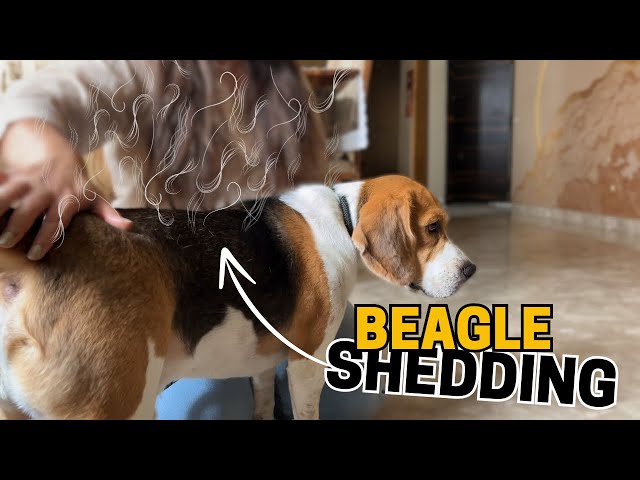
7 Beagle Shedding Solutions
Managing Beagle shedding requires consistent effort. While a Beagle will always shed, these methods can significantly reduce the amount of fur around your house.
These solutions range from everyday practices to more involved grooming routines, addressing the Beagle's specific coat type. We start with regular brushing.
Regular brushing
This is your first line of defense against a hairy house. Brushing removes loose fur before it ends up on your furniture, clothes, and floors. It also helps distribute skin oils, keeping the coat healthy and shiny. The frequency of brushing depends on your Beagle’s shedding level. During peak shedding seasons, daily brushing is ideal. Otherwise, at least two to three times a week is a good starting point.
The type of brush matters. A slicker brush is good for mats and tangles but can be harsh if used too aggressively. An undercoat rake is designed to reach into the undercoat and pull out loose fur, making it ideal during shedding season. A rubber curry comb is gentle for everyday use, helping to loosen surface hair. Experiment to find what your Beagle tolerates best, making the experience positive with treats and praise.
Bathing schedule
Bathing helps loosen dead hair and remove dirt and debris. However, over-bathing can strip the coat of its natural oils, leading to dry skin and even more shedding. Generally, a bath every few months is sufficient, unless your Beagle gets particularly dirty. When you do bathe them, use a shampoo specifically formulated for dogs, and consider one designed for sensitive skin.
Look for ingredients like oatmeal or aloe vera to soothe and moisturize the skin. Avoid human shampoos, as they can disrupt your Beagle’s skin pH balance. Always rinse thoroughly. Brushing before the bath removes loose hair, and brushing after ensures a thorough rinse.
Diet and hydration
A healthy diet is crucial for a healthy coat. Look for a high-quality dog food that’s rich in protein and essential fatty acids. Omega-3 and omega-6 fatty acids play a significant role in skin and coat health, reducing inflammation and promoting a shiny coat. Ingredients like fish oil, flaxseed oil, and sunflower oil are good sources.
Adding a fish oil supplement to your Beagle’s diet can further reduce shedding. Always consult your veterinarian before adding any supplements. Ensure your Beagle always has access to fresh, clean water, as hydration is important for healthy skin and coat.
Deshedding tools
There’s a whole market of deshedding tools out there, and some are more effective than others. The Furminator is probably the most well-known. It works by removing the undercoat, and it can be very effective, but it can also be harsh on the skin if used incorrectly. Use it gently and follow the instructions carefully.
Grooming gloves with rubber nubs can be a good option for gentle, everyday use. Deshedding blades can also be effective, but require a steady hand and caution. A combination of tools, such as a good undercoat rake and a grooming glove, often works well. These tools can be found at most pet stores or online retailers.
Supplements
Beyond fish oil, other supplements can contribute to coat health. Vitamin E is an antioxidant that supports healthy skin. Biotin is often touted for its benefits to hair and nail growth. However, the effectiveness of these supplements can vary, and it’s essential to talk to your vet before starting any new supplement regimen.
They can advise on appropriate dosages and potential interactions with other medications. Remember, supplements should complement a healthy diet, not replace it.
Professional grooming
A professional groomer can provide a thorough deshedding treatment that you might not be able to achieve at home. They have specialized tools and expertise to safely and effectively remove loose undercoat. This can be a good option for particularly heavy shedders or if you’re struggling to keep up with the shedding on your own.
The cost of professional grooming varies by location and services, typically ranging from $60 to $150 per session. Look for a groomer experienced with double-coated breeds.
Addressing underlying issues
Sometimes, excessive shedding can be a sign of an underlying health problem. Allergies, skin infections, parasites (like fleas and mites), and hormonal imbalances can all cause increased shedding. If your Beagle is shedding excessively, or if you notice any other symptoms like itching, redness, or hair loss in patches, it’s important to consult with your veterinarian.
They can diagnose the underlying cause and recommend appropriate treatment. Don’t try to self-diagnose or treat your Beagle – a vet is the best resource for ensuring their health and well-being.
When to consult a vet
While shedding is normal for Beagles, certain changes warrant a vet visit. Sudden, dramatic increases in shedding, especially if accompanied by scratching, licking, or biting at the skin, are red flags. Similarly, patches of hair loss, skin redness, scaling, or the presence of fleas or ticks warrant a veterinary examination.
Paying attention to these signs can help you catch potential problems early. Proactive care is always better than reactive treatment.
Is owning a Beagle worth the shedding?
Owning a Beagle isn’t for the faint of heart, especially if you’re a neat freak. The shedding is real and requires commitment. But for all the hair, Beagles offer immense joy with their playful personalities, affectionate nature, and unwavering loyalty.
Managing the shedding is part of owning a Beagle. With consistent grooming, a healthy diet, and patience, you can minimize the fur and maximize the fun. It’s a small price to pay for the companionship of this lovable breed.
No comments yet. Be the first to share your thoughts!