

Beagadors and bullbeagles
Designer dogs have exploded in popularity recently, and it’s easy to see why. People are looking for companions with specific traits, and combining breeds feels like a way to get the best of both worlds. Two mixes that are catching a lot of attention are the Beagador – a Beagle and Labrador Retriever mix – and the Bullbeagle, a Beagle crossed with a Pitbull. Both offer a unique blend of characteristics, but they’re very different dogs.
The Beagle itself has a long history as a scent hound, originally bred for hunting hare and other small game in packs. They’re known for their incredible noses and cheerful, sometimes stubborn, personalities. Labrador Retrievers, on the other hand, were developed in Newfoundland as water dogs, assisting fishermen, and are renowned for their friendly demeanor and trainability. Pitbulls, a term encompassing several breeds like the American Pit Bull Terrier, American Staffordshire Terrier, and Staffordshire Bull Terrier, were originally bred for bull-baiting and later became farm dogs and companions – often unfairly stigmatized despite their potential for loyalty and affection.
The Beagador aims to combine the Beagle’s scent-tracking abilities with the Lab’s eagerness to please, creating a playful and intelligent family dog. The Bullbeagle, however, is a bit more of a wildcard. It’s a mix that can be incredibly rewarding for the right owner, but it also comes with unique challenges. Understanding these differences is the first step in deciding which, if either, of these mixes is right for your lifestyle.
Mixed breeds are a genetic gamble. A puppy might inherit the Beagle's nose but the Lab's coat, or vice versa. Temperament and health are just as unpredictable, so treat these descriptions as general possibilities rather than a guarantee.

Beagador temperament
The Beagle Lab mix, often called a Beagador, generally inherits a wonderfully balanced temperament. You'll often find they're incredibly friendly and outgoing – a trait definitely borrowed from the Labrador side. They’re usually enthusiastic about meeting new people and other animals, making them relatively easy to socialize. This doesn't mean socialization isn't necessary, just that they have a natural inclination towards friendliness.
Beagadors are also typically intelligent and eager to please, which makes training relatively straightforward. However, the Beagle in them can introduce a touch of stubbornness. Positive reinforcement techniques work best; harsh corrections can easily shut them down. Expect a dog that enjoys learning, but might need a little extra patience and consistency. Consistency is absolutely key with this mix.
These dogs thrive in active families and do well with children. Their playful nature makes them excellent companions for kids, but supervision is always recommended, especially with very young children. They also generally get along well with other dogs and even cats, particularly if raised together. Early socialization is still crucial to ensure they’re comfortable around a variety of animals and people.
One thing to be prepared for is a high energy level. Beagadors need a significant amount of exercise to stay happy and healthy. Daily walks aren’t enough; they need opportunities to run, play fetch, and explore. A fenced yard is a huge plus, but they still need to be taken on regular outings. Without enough exercise, they can become bored and destructive – chewing, digging, and excessive barking are common outlets for pent-up energy.
Here's a quick checklist to see if a Beagador might be a good fit:
Expect them to be vocal, too. Beagles are known for their baying, and while the Lab might tone it down a bit, Beagadors can still be quite talkative. If you live in an apartment or have close neighbors, this is something to consider.
- Daily 60-90 minute exercise commitment
- Patient Training: Are you willing to use positive reinforcement and be consistent with training?
- Socialization: Will you expose your puppy to a variety of people, places, and situations?
- Vocal Tolerance: Are you okay with a dog that might be prone to barking and howling?
Bullbeagle personality
The Beagle Pitbull mix – the Bullbeagle – is a more complex character. While they can be incredibly loving and loyal companions, they require a much more experienced owner. The Pitbull lineage brings a level of strength, determination, and potential for dog aggression that isn’t present in the Beagador. It's not that they will be aggressive, but the potential is there, and responsible ownership demands you acknowledge it.
Bullbeagles are often described as strong-willed and protective of their families. They can be very affectionate with their owners, but they may be reserved or wary of strangers. This isn't necessarily a bad thing, but it means early and extensive socialization is absolutely critical. They need to be exposed to a wide range of people, places, and situations from a young age to ensure they develop into well-adjusted adults.
Training a Bullbeagle requires a firm, consistent hand and a deep understanding of dog behavior. Positive reinforcement is still important, but you may need to be more assertive and establish yourself as the clear leader. This mix is not for first-time dog owners. They need someone who can confidently and consistently enforce boundaries.
The Pitbull side of the Bullbeagle can also contribute to a higher prey drive. This means they may be more likely to chase smaller animals, so careful supervision is essential. They also need a lot of mental stimulation. Puzzle toys, training sessions, and interactive games are all great ways to keep them engaged and prevent boredom.
It’s crucial to be honest about the potential for dog aggression. While not all Bullbeagles will exhibit this behavior, it’s a risk. Responsible owners should be prepared to manage their dog’s interactions with other dogs carefully and potentially avoid dog parks altogether. A Bullbeagle is often happiest as the only dog in the household, or with very carefully selected canine companions.
Here's a quick FAQ about Bullbeagle personality:
Q: Are Bullbeagles good with children? A: They can be, but only with proper socialization and supervision. Their strength and protective instincts mean they could accidentally knock over a small child, and they may not tolerate rough play. Q: Do Bullbeagles need a lot of exercise? A: Absolutely. They are high-energy dogs that need a minimum of 60-90 minutes of vigorous exercise daily. Q: Are Bullbeagles easy to train? A: No. They require a firm, consistent hand and a lot of patience.
- Experienced Owner: This mix is best suited for someone with previous dog ownership experience.
- Commitment to Socialization: Extensive socialization is non-negotiable.
- Firm Training: Consistent and assertive training is essential.
- Secure Fencing: A securely fenced yard is a must.
- Awareness of Dog Aggression Potential: Be prepared to manage interactions with other dogs carefully.
Health risks
Both Beagadors and Bullbeagles are susceptible to certain health problems inherited from their parent breeds. Responsible breeders will conduct genetic testing to minimize these risks, but it’s still important to be aware of potential issues. For Beagadors, hip dysplasia and elbow dysplasia are common concerns, as they are in Labrador Retrievers. These conditions affect the joints and can lead to arthritis and mobility problems.
Progressive Retinal Atrophy (PRA) is another potential concern in Beagadors. PRA is a degenerative eye disease that can eventually lead to blindness. Bloat, a life-threatening condition where the stomach fills with gas, is also more common in larger breeds like Labs and can affect Beagadors. Regular vet checkups and a careful watch for symptoms can help manage these risks.
Bullbeagles can also be prone to hip dysplasia, as both Beagles and Pitbulls are susceptible. Skin allergies are a common issue, often manifesting as itching, redness, and hair loss. They may also be at risk for certain heart conditions, so regular cardiac screenings are recommended. Because Pitbulls can be prone to allergies, the Bullbeagle is also more likely to have them.
The average lifespan for a Beagador is typically 10-13 years, while Bullbeagles generally live for 12-15 years. However, these are just averages, and individual lifespans can vary depending on genetics, diet, exercise, and overall health care.
Here’s a table summarizing potential health concerns:
- Beagador: Hip Dysplasia, Elbow Dysplasia, Progressive Retinal Atrophy (PRA), Bloat
- Bullbeagle: Hip Dysplasia, Skin Allergies, Heart Conditions
Potential Health Concerns: Beagador vs. Bullbeagle
| Health Issue | Beagador Risk | Bullbeagle Risk | Preventative Measures |
|---|---|---|---|
| Hip Dysplasia | Medium | Medium | Maintain healthy weight, moderate exercise, responsible breeding practices. |
| Progressive Retinal Atrophy (PRA) | Medium | Low | Genetic testing of parents, regular veterinary eye exams. |
| Bloat (Gastric Dilatation-Volvulus) | Medium | Low | Feed multiple smaller meals, avoid vigorous exercise around mealtimes, consider prophylactic gastropexy (surgical fixation of the stomach). |
| Cherry Eye | Low | Medium | Early detection by a veterinarian, potential surgical correction. |
| Hypothyroidism | Low | Medium | Regular thyroid testing, dietary management. |
| Ear Infections | Medium | High | Regular ear cleaning, monitoring for signs of infection, prompt veterinary treatment. |
| Obesity | Medium | Medium | Controlled portions, regular exercise, appropriate diet. |
| Skin Allergies | Medium | Low | Hypoallergenic diet trials, environmental allergen control, veterinary dermatology consultation. |
Illustrative comparison based on the article research brief. Verify current pricing, limits, and product details in the official docs before relying on it.
Training: Setting Expectations and Building Bonds
Beagadors are generally more eager to please, making training a more enjoyable experience. They respond well to positive reinforcement techniques, such as treats, praise, and toys. Consistency is key, and starting training early is crucial. Basic obedience training will help establish good manners and strengthen the bond between you and your dog.
Bullbeagles require a different approach. Their strong-willed nature means they need a firm, consistent hand and a clear understanding of boundaries. They respond best to positive reinforcement, but you may need to be more assertive and confident in your commands. Early socialization is paramount to prevent aggression towards other dogs.
Short, five-minute training sessions work best to keep their attention. If you're struggling with a Bullbeagle's stubborn streak, a professional trainer is worth the investment before bad habits set in.
Common training challenges with Beagadors include recall (due to their scent-tracking instincts) and stubbornness. Bullbeagles may struggle with impulse control and reactivity towards other dogs. Addressing these challenges requires patience, consistency, and a willingness to seek professional help if needed.
- Beagador: Focus on recall, address stubbornness with positive reinforcement.
- Bullbeagle: Prioritize socialization, manage impulse control, address reactivity.
Which Mix is Right for *You*?
So, which mix is the better fit for your lifestyle? If you’re an active family looking for a friendly, trainable, and relatively easy-going companion, the Beagador might be a great choice. They’re adaptable and generally good with children and other pets. However, be prepared for a lot of exercise and a bit of shedding.
If you’re an experienced dog owner who’s looking for a challenging and rewarding companion, and you’re willing to commit to extensive socialization and training, the Bullbeagle might be a good fit. But be prepared for a strong-willed, protective dog that requires a firm hand and a lot of exercise. This mix is not for the faint of heart.
Ultimately, the best way to decide is to carefully consider your lifestyle, experience, and expectations. Both Beagadors and Bullbeagles can be wonderful companions, but they require different levels of commitment and expertise. Do your research, meet dogs of both mixes if possible, and choose the one that best suits your needs.
Featured Products
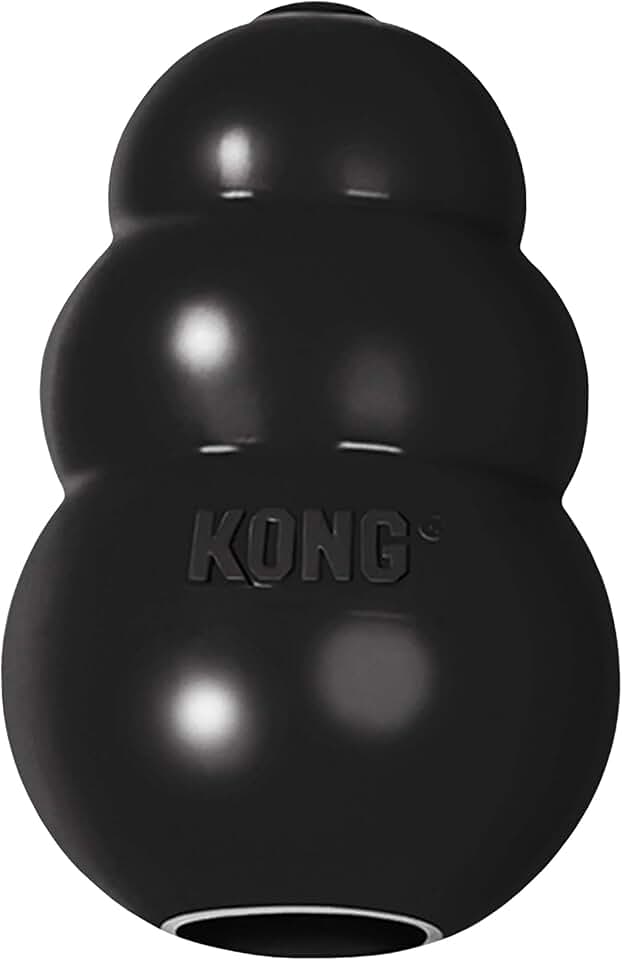
Most durable natural rubber material · Treat-filling capabilities · Erratic bounce for extended play time
This toy provides a durable outlet for chewing and mental stimulation, crucial for energetic mixed breeds.

Level 1 Beginner difficulty · Encourages problem-solving · Helps reduce boredom
This introductory puzzle toy is perfect for engaging a dog's mind and preventing destructive behaviors through interactive play.

Intermediate Level 2 · Interactive treat game · Suitable for large dogs
This engaging puzzle offers a greater challenge, promoting cognitive function and providing mental exercise for active dogs.
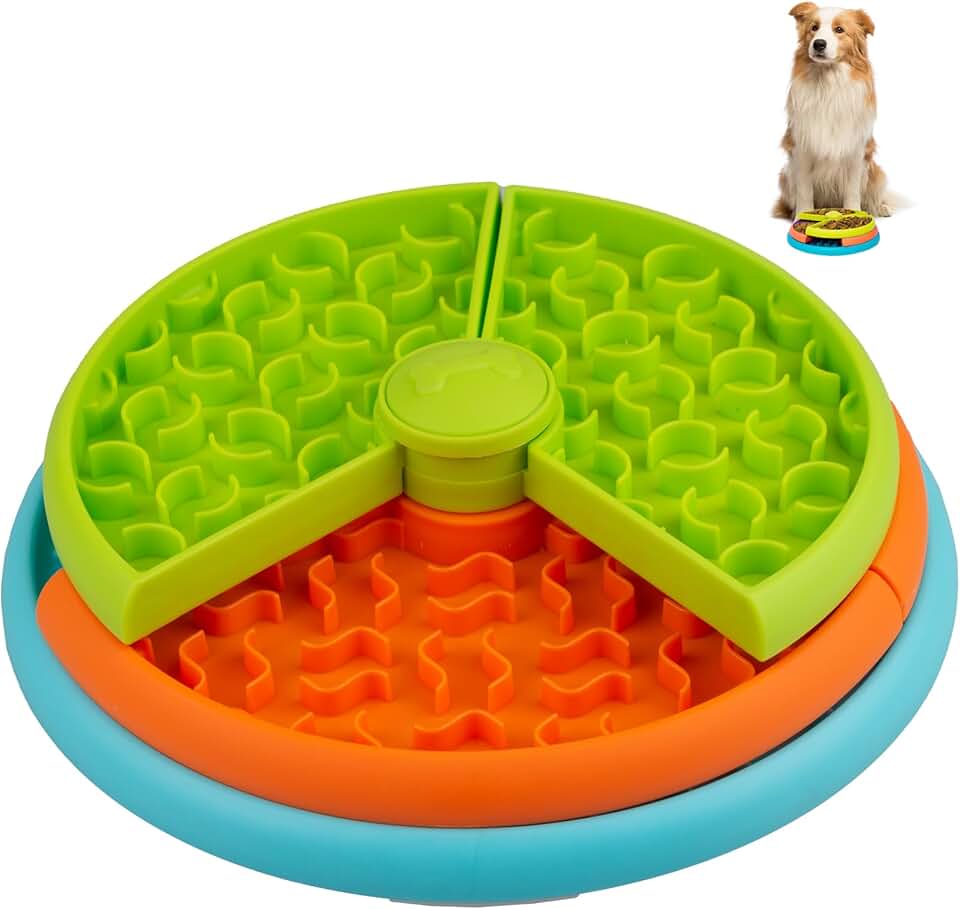
3 levels to slow eating · Reduces boredom and anxiety · Non-slip interactive puzzle feeder
A slow feeder bowl is essential for managing eating habits and preventing digestive issues common in active breeds.

5-week program · Uses positive reinforcement · Focuses on building a strong bond
Positive reinforcement training is key to effectively guiding and shaping the behavior of any dog, especially energetic mixes.
As an Amazon Associate I earn from qualifying purchases. Prices may vary.



No comments yet. Be the first to share your thoughts!