

The beagle obesity trap
Beagles are charming, enthusiastic dogs, but their adorable faces can sometimes mask a serious health risk: a predisposition to obesity. It’s a common issue I see in my work with Beagle owners, and one that can lead to a host of other problems like joint pain, diabetes, and heart disease. Their bodies are built for endurance, not necessarily for a sedentary lifestyle, and that impacts what they need from their food.
Their history as hunting dogs plays a huge role in their dietary needs. Beagles were bred to follow scents for hours, requiring sustained energy. However, they’re also incredibly motivated by food, a trait intentionally selected by breeders to encourage them to return to the hunter with their findings. This means they’ll work for a treat, and they’ll remember where the good stuff is kept. It’s a double-edged sword.
Portion control is absolutely critical. It’s easy to get caught up in those pleading eyes, but giving in to every beg can quickly lead to weight gain. Beagles don’t always feel full easily, and they'll happily eat far more than they require. It's a constant balancing act, but one that's essential for their long-term health. We need to remember they aren’t just pets; they're athletes at heart, even if their biggest exercise is sniffing out crumbs.
I often tell new Beagle owners that understanding their dog’s nutritional needs is the first step toward responsible ownership. It’s not about deprivation; it’s about providing the right fuel for a happy, healthy life. Ignoring this can lead to a shorter lifespan and a lot of preventable suffering.
How to read the label
Ignore the marketing on the front of the bag. Flip it over to the ingredient list, which is organized by weight. The first three items tell you most of what you need to know about the food's quality.
Animal protein should be the first ingredient – think chicken, beef, lamb, or fish. Avoid foods where the first ingredient is corn, wheat, or soy. These are often used as inexpensive fillers and provide limited nutritional value. While grains aren't inherently bad, they shouldn’t be the primary source of calories. A good rule of thumb is to look for a named meat source, not just “meat by-products.”
Fat content is also important. Healthy fats, like those from fish oil or flaxseed, are essential for skin and coat health. Carbohydrate sources should be easily digestible, like sweet potatoes or brown rice. Steer clear of foods with excessive amounts of corn gluten meal or wheat flour. These can be difficult for Beagles to digest and may contribute to allergies.
Vitamins and minerals are crucial, but don’t get too hung up on the specifics. A reputable brand will have a complete and balanced vitamin and mineral profile. Be wary of terms like "grain-free’ or ‘natural.’ These terms aren’t strictly regulated and can be misleading. ‘Grain-free’ doesn’t automatically mean the food is healthier, and ‘natural’ has very little legal definition. It"s frustrating how much marketing is focused on what sounds good rather than what is good.
- Check the first ingredient: It should be a named meat source.
- Look for healthy fats: Fish oil and flaxseed are good options.
- Avoid excessive fillers: Corn, wheat, and soy should be limited.
- Be skeptical of buzzwords: "Grain-free’ and ‘natural’ aren"t always what they seem.
Top beagle food brands for 2026
Choosing the right food for your Beagle can feel overwhelming. There are countless brands on the market, each claiming to be the best. I’ve compiled a list of brands that consistently receive positive reviews and meet the nutritional needs of Beagles, categorized by price point. Keep in mind that every dog is different, and what works for one Beagle may not work for another.
Budget-Friendly Options (Under $50/bag): Purina Pro Plan is a consistently reliable choice. Their formulas are backed by research and offer a good balance of protein, fat, and carbohydrates. It’s widely available and generally well-tolerated by Beagles. However, some formulas contain corn and wheat, which may not be ideal for sensitive stomachs.
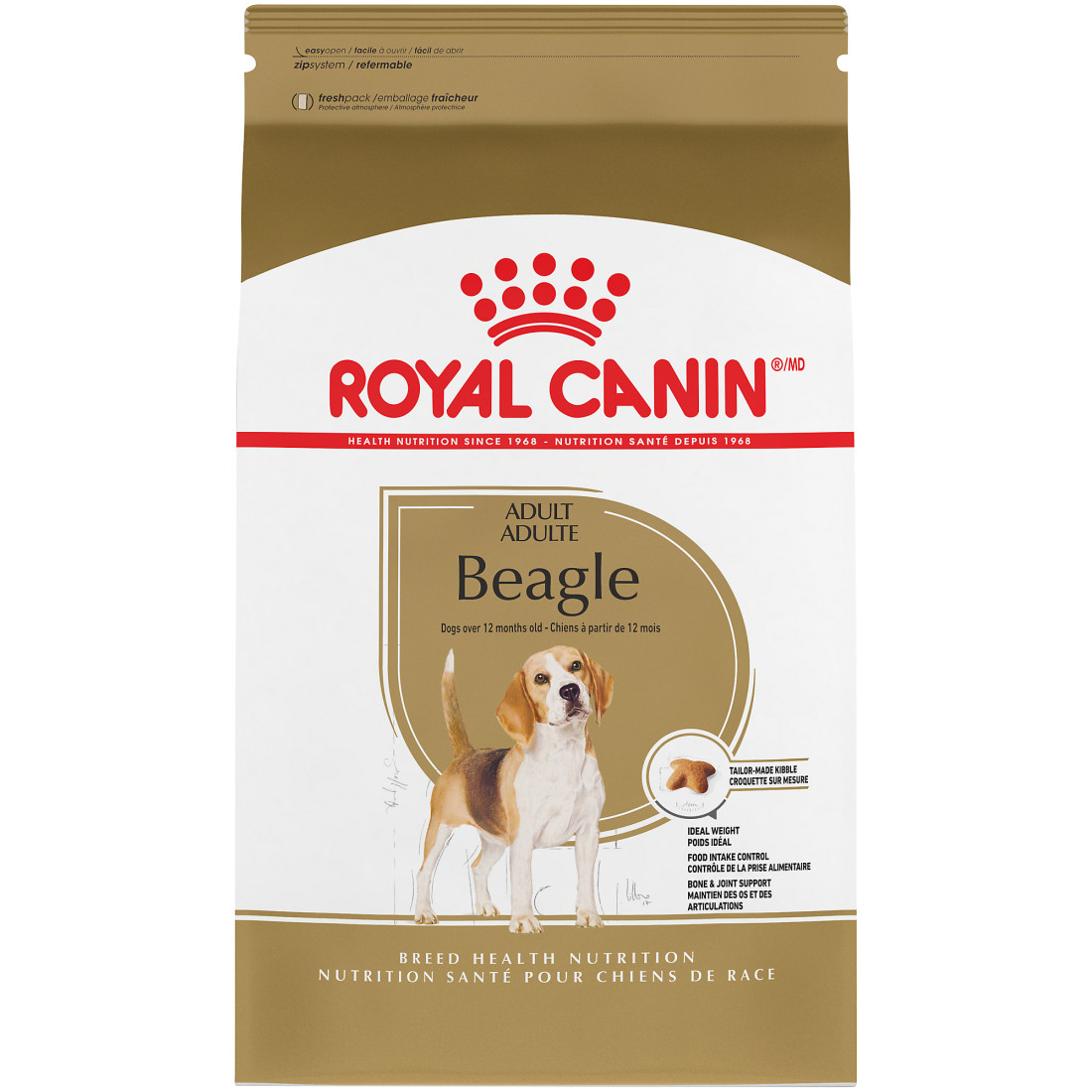
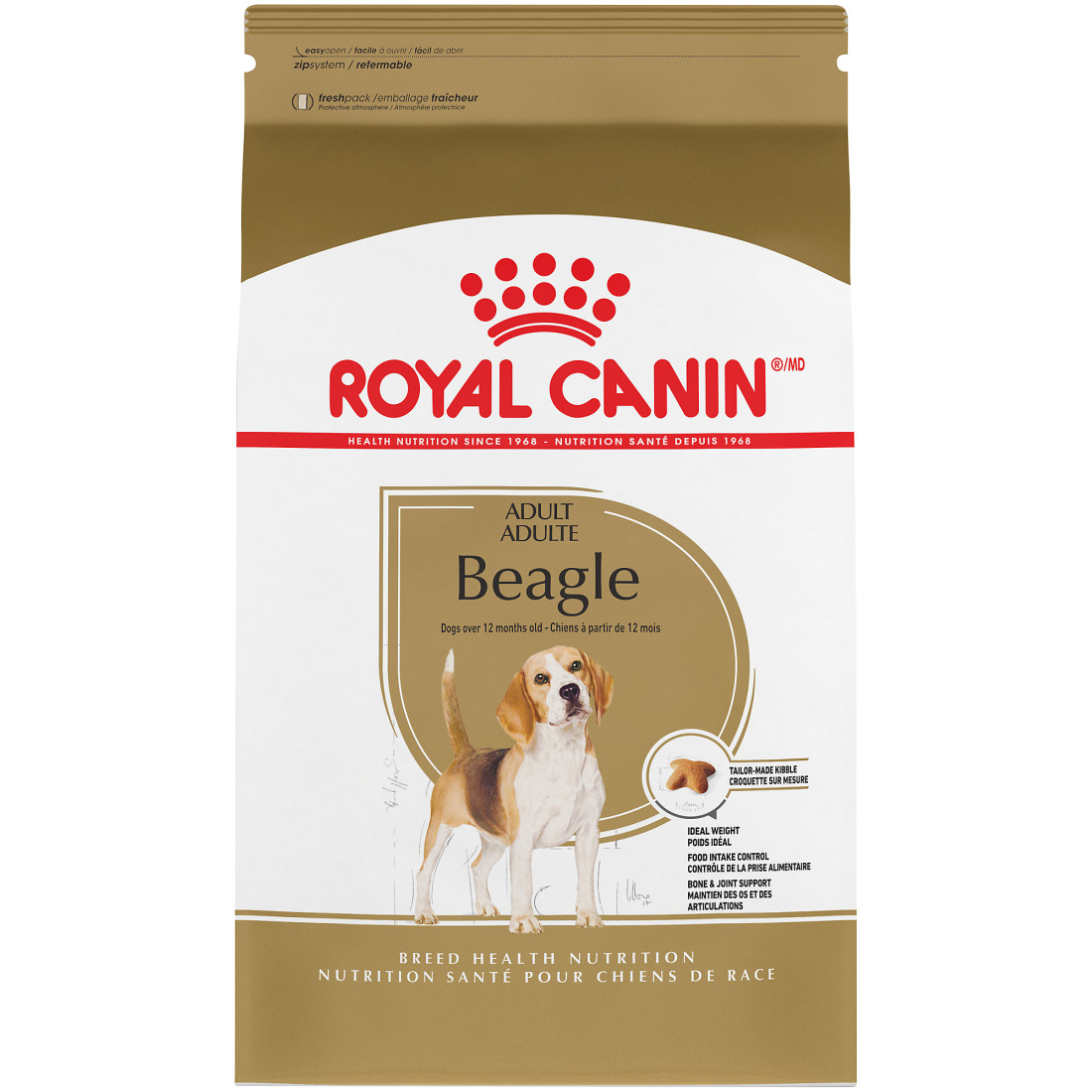
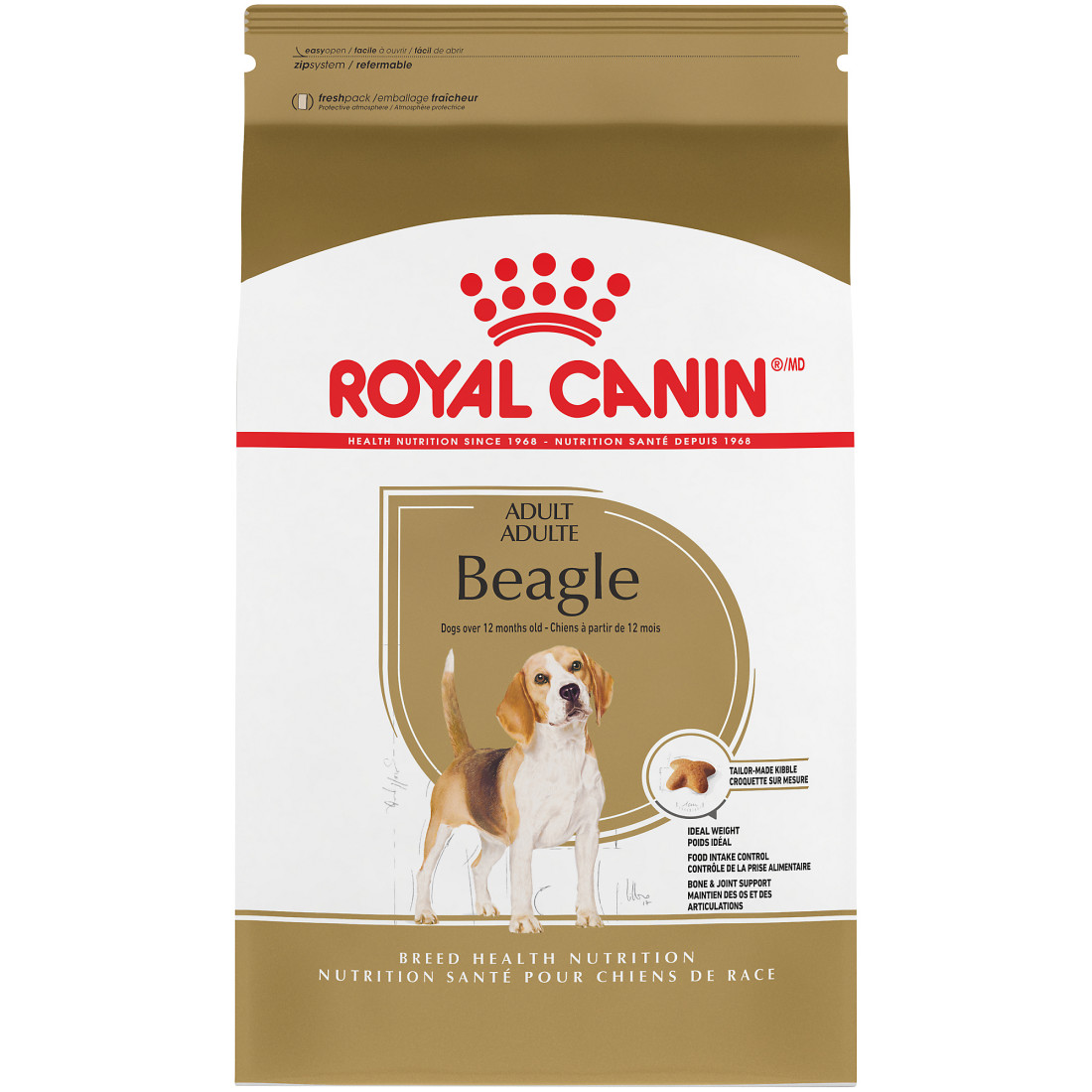
Mid-Range Options ($50-$80/bag): Royal Canin Beagle Adult is specifically formulated for the breed, taking into account their tendency to gain weight and their sensitive digestion. It’s a good option if you want a food designed specifically for your Beagle, but it’s more expensive than Purina Pro Plan. Wellness Complete Health offers a variety of formulas with high-quality ingredients and no artificial colors, flavors, or preservatives. Their recipes are generally well-received by picky eaters.
Premium Options ($80+/bag): Blue Buffalo Wilderness is a popular choice for owners who want a grain-free option. Their formulas are high in protein and contain LifeSource Bits, a blend of antioxidants, vitamins, and minerals. However, it’s important to note that grain-free diets have been linked to dilated cardiomyopathy (DCM) in some dogs, so it’s something to discuss with your veterinarian. The Better Beagle Co. focuses on holistic, natural, and human-grade ingredients. They offer a smaller range of options, but the quality is very high.
Ollie (subscription service) delivers fresh, human-grade food directly to your door. It’s a convenient option, but it’s also the most expensive. Nom Nom Now is another fresh food delivery service with similar benefits and drawbacks. Instinct Raw Boost offers a mix of kibble and freeze-dried raw ingredients, providing a boost of protein and nutrients. Taste of the Wild is another widely available brand known for its novel protein sources, like bison and venison.
Hill's Science Diet is a brand often recommended by veterinarians. Their formulas are backed by extensive research and are designed to meet the specific needs of different life stages and breeds. However, some owners find their ingredients to be less appealing than those of other brands. Victor Purpose Nutra Pro is a protein-focused option that may be suitable for active Beagles. It's a good value for the amount of protein you get.
- Purina Pro Plan: Reliable, affordable, widely available.
- Royal Canin Beagle Adult: Breed-specific formula.
- Wellness Complete Health: High-quality ingredients, no artificial additives.
- Blue Buffalo Wilderness: High protein, but check with your vet about DCM risks associated with grain-free diets.
- The Better Beagle Co.: Holistic, natural, human-grade.
- Ollie/Nom Nom Now: Fresh, human-grade (expensive).
- Instinct Raw Boost: Kibble + raw boost.
- Taste of the Wild: Novel protein sources.
- Hill's Science Diet: Vet-recommended, research-backed.
- Victor Purpose Nutra Pro: High protein content.
Featured Products

Made with real chicken as the first ingredient · Contains LifeSource Bits, a blend of antioxidants, vitamins, and minerals · Formulated to support healthy muscles and energy levels
Blue Buffalo Life Protection Formula provides a balanced diet with natural ingredients to support overall health and muscle development in adult Beagles.

Formulated for adult dogs with sensitive stomachs and skin · Uses a highly digestible formula with prebiotic fiber · Contains Vitamin E and Omega-6 fatty acids for skin and coat health
Hill's Science Diet Sensitive Stomach & Skin is ideal for Beagles prone to digestive upset or skin sensitivities, promoting a healthy gut and coat.
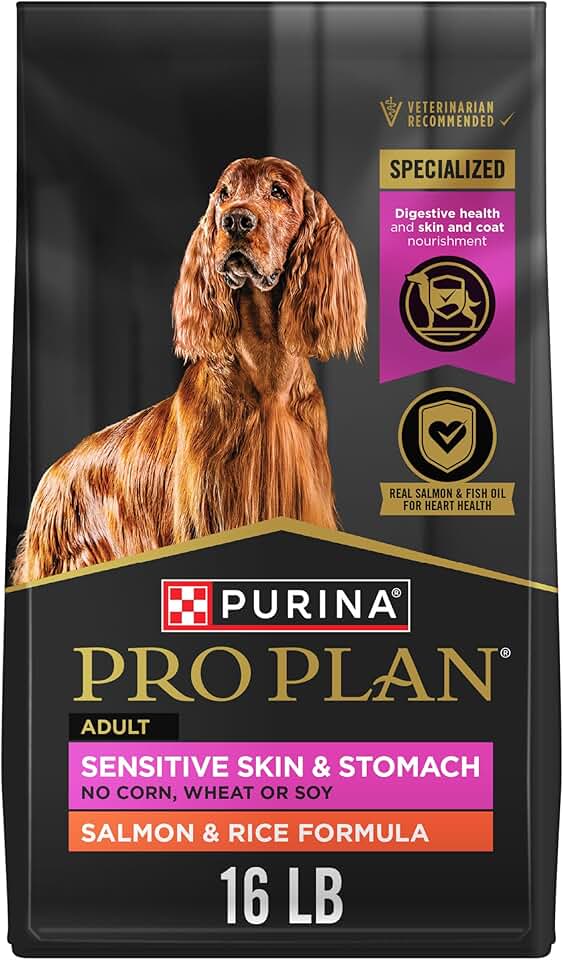
Features real salmon as the first ingredient · Includes prebiotic fiber to support digestive health · Fortified with guaranteed live probiotics for a healthy immune system
Purina Pro Plan Sensitive Skin and Stomach offers a salmon and rice formula specifically designed to be gentle on a Beagle's digestive system and promote skin health.

Tailored for small breed adult dogs · Contains real turkey and wholesome grains · Enriched with Omega fatty acids for a healthy skin and coat, and probiotics for digestive health
Wellness Complete Health Small Breed is a nutrient-dense option for smaller Beagles, supporting their energy needs and overall well-being with essential fatty acids and probiotics.

Grain-free formula with real Texas beef as the primary ingredient · Includes sweet potatoes for easily digestible carbohydrates · Fortified with essential vitamins and minerals
Merrick Grain Free offers a protein-rich, grain-free option for Beagles, utilizing real beef and sweet potatoes to support active lifestyles and provide complete nutrition.
As an Amazon Associate I earn from qualifying purchases. Prices may vary.
Feeding hunters vs. couch potatoes
A Beagle who spends their days actively hunting or participating in field trials has significantly different nutritional needs than a Beagle who spends most of their time lounging on the couch. Working Beagles require a higher calorie intake and a greater percentage of protein to support their increased energy expenditure and muscle recovery. It's not just about quantity; the quality of the protein is also important.
For a hunting Beagle, I recommend a food with at least 30% protein and 20% fat. Consider supplementing their diet with extra protein, such as cooked chicken or fish, or adding a source of healthy fats, like salmon oil. This will help them maintain their energy levels and support their muscle mass. I’ve spoken with several Beagle owners who compete in scent trials, and they all emphasize the importance of a high-protein diet.
Family companion Beagles, on the other hand, need fewer calories to prevent weight gain. A food with 25% protein and 15% fat is generally sufficient. It’s crucial to monitor their weight regularly and adjust their food portions accordingly. Even a small amount of extra food can lead to weight gain over time. Remember, those pleading eyes are masters of manipulation!
The key is to tailor the diet to the individual dog’s activity level. A good starting point is to use a calorie calculator (easily found online) to estimate your Beagle’s daily caloric needs, and then adjust based on their weight and body condition. If you’re unsure, consult with your veterinarian for personalized recommendations.
Puppy, Adult, and Senior: Life Stage Nutrition
Beagles go through distinct life stages, and their nutritional needs change accordingly. Beagle puppies require a food specifically formulated for medium-breed puppies. These formulas are designed to support healthy growth and development without causing them to grow too quickly, which can lead to joint problems. Look for a food with a calcium-to-phosphorus ratio of 1:1 to 1:1.5.
As your Beagle transitions to adulthood (around 12-18 months), you’ll need to switch them to an adult food. This food should have a lower calorie content and a moderate amount of protein and fat. It’s important to make the transition gradually over several days to avoid digestive upset. A sudden change in diet can cause diarrhea or vomiting.
Senior Beagles (typically over 8 years old) have different needs again. Their metabolism slows down, and they may experience joint pain or other age-related health issues. A senior food should have a lower calorie content, a moderate amount of protein, and added joint support supplements like glucosamine and chondroitin. It's a common mistake to continue feeding an adult food to a senior dog, which can contribute to weight gain and exacerbate existing health problems.
Feeding a puppy the wrong food can have long-term consequences. It can lead to developmental abnormalities, joint problems, and a weakened immune system. Similarly, feeding a senior Beagle a high-calorie food can shorten their lifespan and reduce their quality of life.
Supplements: Do Beagles Need Them?
A well-balanced diet should provide most of the nutrients a Beagle needs, but certain supplements can be beneficial, particularly as they age or if they have specific health concerns. Omega-3 fatty acids, found in fish oil, can improve skin and coat health and reduce inflammation. Glucosamine and chondroitin can support joint health and reduce the symptoms of arthritis.
Probiotics can promote digestive health and improve nutrient absorption. However, it’s important to choose a high-quality probiotic supplement and to introduce it gradually to avoid digestive upset. I've seen positive results with Beagles who have sensitive stomachs after adding a probiotic to their diet.
It’s crucial to avoid over-supplementation. Too much of certain vitamins and minerals can be harmful. Always consult with your veterinarian before adding any supplements to your Beagle’s diet. They can help you determine which supplements are appropriate for your dog’s individual needs and recommend the correct dosage.
Supplements should supplement a good diet, not replace it. A healthy, balanced diet is the foundation of good health.
- Omega-3 fatty acids: Skin and coat health, inflammation.
- Glucosamine & Chondroitin: Joint support.
- Probiotics: Digestive health.
- Vitamin E: Antioxidant support.
Should You Supplement Your Beagle?
| Symptom | Potential Supplement | Vet Consultation Required | Notes |
|---|---|---|---|
| Dry, itchy skin | Omega-3 Fatty Acids (Fish Oil) | Yes | May help improve coat health and reduce inflammation. Dosage varies by weight; veterinary guidance is essential. |
| Joint stiffness or limping | Glucosamine & Chondroitin | Yes | Supports cartilage health and may reduce joint pain, particularly in older Beagles or those with active lifestyles. Requires veterinary assessment to rule out underlying conditions. |
| Digestive issues (gas, diarrhea, vomiting) | Probiotics | Yes | Can help balance gut bacteria, but the *cause* of digestive upset needs veterinary diagnosis. Not all probiotics are equal; a vet can recommend a suitable strain. |
| Low energy levels | B-Complex Vitamins | Yes | While some vitamin deficiencies can cause lethargy, it’s crucial to determine the underlying cause with a vet. Supplementing without diagnosis could be harmful. |
| Poor coat quality | Biotin | Yes | May improve coat thickness and shine, but excessive biotin can interfere with certain diagnostic tests. Veterinary consultation is recommended. |
| History of hunting/high activity | L-Carnitine | Yes | May support muscle function and recovery in active Beagles. A vet can advise on appropriate dosage based on activity level and overall health. |
| Age-related cognitive decline | Antioxidant blends (Vitamin E, Vitamin C) | Yes | Antioxidants may help support brain health, but a vet should assess for other causes of cognitive dysfunction and recommend a comprehensive plan. |
Illustrative comparison based on the article research brief. Verify current pricing, limits, and product details in the official docs before relying on it.
Beagle Feeding Schedules & Portion Control
Establishing a consistent feeding schedule is essential for managing your Beagle’s weight and preventing digestive upset. Puppies need to be fed more frequently than adults, typically three to four times a day. Adult Beagles can usually be fed twice a day, while senior Beagles may benefit from smaller, more frequent meals.
The amount of food your Beagle needs will depend on their age, activity level, and metabolism. A general guideline is to start with the recommended amount on the food packaging and adjust based on their weight and body condition. You should be able to feel your Beagle’s ribs without pressing too hard, but they shouldn’t be visibly protruding.
Avoid free-feeding, which is leaving food out all day. This can easily lead to overeating and weight gain. Instead, measure out their food and offer it at specific times. If your Beagle begs for food, resist the urge to give in. Consistency is key. Food guarding can be a problem with Beagles, so it’s important to establish clear boundaries and avoid approaching them while they’re eating.
Regularly monitoring your Beagle’s weight is crucial. Weigh them every week or two and adjust their food portions accordingly. If you notice they’re gaining weight, reduce their food intake or increase their exercise. If they’re losing weight, increase their food intake or consult with your veterinarian. Knowing what to feed is only half the battle; knowing how much and when is just as important.

No comments yet. Be the first to share your thoughts!