

Calculate your beagle ownership costs
Owning a Pet Beagle is a long-term financial commitment. Initial acquisition costs vary significantly by region, with West Coast puppies often ranging from $1,500 to $3,000 due to higher living costs. Beyond the purchase price, you must budget for recurring expenses like veterinary care, high-quality food, and essential supplies.
Use the calculator below to estimate your annual and lifetime costs. Adjust the sliders to reflect your local vet rates and your Beagle’s weight, which typically falls between 20 and 30 pounds.
Keep in mind that these figures are estimates. Beagles are prone to obesity, so premium food and regular exercise are critical to managing health risks. Always factor in unexpected medical emergencies, which can easily exceed the annual baseline.
Choose the right food for your pet beagle
Beagles are notorious for their love of food and their tendency to gain weight. Because they are scent hounds bred to track game over long distances, their metabolism can slow down significantly once they transition to indoor family life. Without careful portion control, a pet beagle can quickly become overweight, leading to joint issues and diabetes. Selecting the right nutrition is the first line of defense against these common health problems.
When deciding between dry kibble, wet food, or raw diets, consider your budget, the convenience of preparation, and the specific health needs of your dog. Dry kibble is often recommended for dental health and cost-effectiveness, while wet food offers higher moisture content which can be beneficial for hydration. Raw diets provide the most natural ingredient profile but require strict handling protocols to prevent bacterial contamination.
Use this calculator to estimate your beagle's daily caloric needs based on their current weight and activity level. This baseline helps you avoid overfeeding, which is the most common dietary mistake for this breed.

Comparing food types for beagles
Choosing between kibble, wet food, and raw diets involves trade-offs in cost, convenience, and health impact. The table below breaks down the primary differences to help you decide which fits your lifestyle and your beagle's nutritional requirements.
| Food Type | Cost | Convenience | Health Impact |
|---|---|---|---|
| Dry Kibble | Low | High | Good for dental health; risk of overfeeding if portions not measured. |
| Wet Food | High | Medium | Higher moisture content; easier to digest; less effective for teeth cleaning. |
| Raw Diet | Very High | Low | Natural ingredients; requires strict hygiene; risk of bacterial contamination if not handled properly. |
Manage beagle shedding and coat care
Pet Beagle Care works best as a clear sequence: define the constraint, compare the realistic options, test the tradeoff, and choose the path with the fewest hidden costs. That order keeps the advice usable instead of decorative. After each step, pause long enough to check whether the recommendation still fits the reader's actual situation. If it depends on perfect timing, unusual access, or a best-case budget, include a simpler fallback.

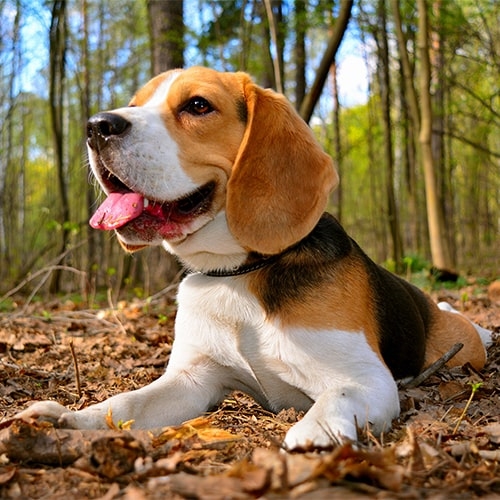

Understanding beagle personality and training
Beagles are merry, energetic, and intensely social animals that thrive on companionship. They are widely considered excellent family dogs because they love children and generally get along well with other pets, including cats. However, their pack-oriented nature means they can suffer from severe separation anxiety if left alone for long periods. Without proper socialization and mental stimulation, a bored Beagle can become destructive, chewing furniture or digging in the yard simply to relieve stress.
Training a Beagle requires patience and consistency because they possess a distinct stubborn streak. As scent hounds, their noses often override their desire to please their owners, leading them to ignore commands when a compelling smell catches their attention. Positive reinforcement works best, but you must keep training sessions short and engaging to hold their interest. If you want a dog that will reliably come when called off-leash, a Beagle might not be the right fit; they prefer to investigate the world on their own terms.
Despite their stubbornness, Beagles are affectionate and loyal companions who crave interaction. They are not independent dogs; they want to be where you are, often following you from room to room. This closeness makes them wonderful family pets, but it also means they need owners who can provide plenty of exercise and attention. If you are prepared for the noise, the shedding, and the occasional act of defiance, a Beagle will reward you with unwavering devotion and joyful energy.
Frequently Asked Questions About Pet Beagles
Here are quick answers to common questions about pet beagles, covering costs, suitability, and care.
No comments yet. Be the first to share your thoughts!