

Why Are Beagles So Prone to Allergies?
I’ll never forget the first time my Beagle, Winston, started scratching incessantly. It wasn’t just a little itch; it was a full-body obsession. He’d rub his face on the carpet, chew his paws raw, and generally make himself miserable. It turns out he had seasonal allergies, and unfortunately, Beagles are particularly susceptible to them.
A lot of it comes down to their anatomy. Those adorable, floppy ears? They don’t get a lot of air circulation, creating a warm, moist environment that’s perfect for yeast and bacteria to thrive, often leading to ear infections secondary to allergies. Their skin folds, while charming, also trap moisture and contribute to skin irritation. And historically, Beagles were bred for hunting, spending a lot of time outdoors, exposed to pollen, insects, and other allergens.
It’s not a guarantee that your Beagle will develop allergies, but they’re definitely predisposed. Genetic factors play a role too – if a Beagle’s parents had allergies, the puppy is more likely to develop them as well. Breeders are starting to focus on allergy-resistant lines, but it’s still a common issue.
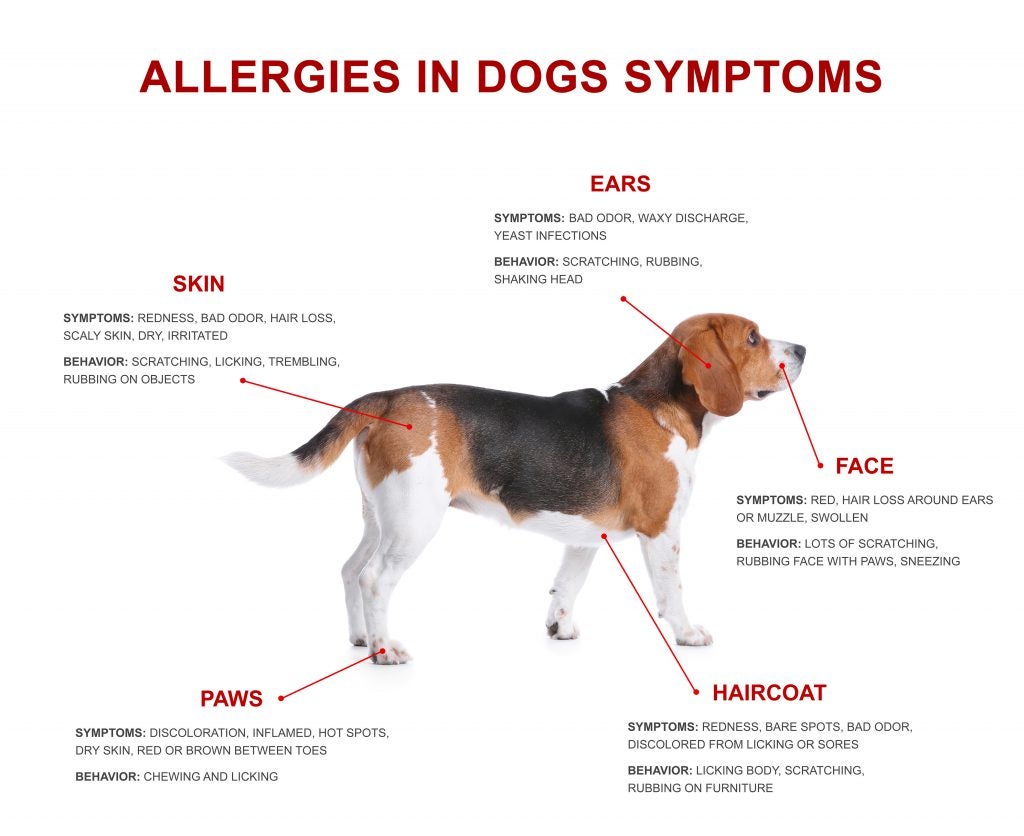
Decoding Beagle Allergy Symptoms: Beyond the Itch
Scratching is the most obvious sign, of course, but Beagle allergies manifest in a lot of different ways, and sometimes the symptoms are subtle. You might notice redness, inflammation, and even hot spots – areas where your Beagle is compulsively licking or chewing their skin. These often appear in the paws, groin, armpits, and around the ears.
Ear infections are incredibly common in Beagles with allergies. Look for head shaking, scratching at the ears, and a foul odor. Paw licking and chewing can lead to secondary bacterial infections, so it’s important to address it quickly. But allergies aren’t always skin-deep. Some Beagles experience digestive upset, including vomiting, diarrhea, or increased gas.
Respiratory signs like sneezing, coughing, and watery eyes can also indicate allergies, particularly environmental ones. It's easy to dismiss a sneeze as just a sneeze, but if it's happening frequently, especially during certain times of the year, it could be a sign of allergies. The tricky part is that these symptoms can mimic other conditions, so it’s important to get a proper diagnosis from your veterinarian. Symptoms can also fluctuate with the seasons, becoming more pronounced during peak pollen times.
It can be a real detective game to figure out what’s going on. Keep a log of your Beagle’s symptoms, when they occur, and any potential triggers you can identify. This information will be invaluable to your vet.
The Usual Suspects: Common Beagle Allergens in 2026
Allergens fall into three main categories: food, environmental, and contact. Food allergies are often triggered by proteins like beef, dairy, wheat, and chicken. Environmental allergens are things like pollen (ragweed, grasses, trees), dust mites, and mold. Contact allergens are less common, but can include cleaning products, certain fabrics, and even some types of grass.
In 2026, we’re seeing a definite increase in the severity and duration of pollen seasons, likely due to climate change. Ragweed, in particular, is becoming a bigger problem, with pollen counts remaining high later into the fall. This means Beagles are exposed to allergens for a longer period of time.
Indoor allergens are a year-round concern. Dust mites thrive in humid environments, and mold can grow anywhere there’s moisture. Even the type of flooring you have can contribute – carpets trap allergens, while hard surfaces are easier to clean. Areas with long, cold winters often see a spike in indoor allergens as homes are sealed up tight, concentrating dust and other irritants.
Food Allergies vs. Intolerances: What’s Really Going On?
There is a big difference between a food allergy and a food intolerance. A true food allergy involves an immune response, where the body mistakenly identifies a food protein as a threat. This can cause a range of symptoms, from skin irritation to digestive upset. A food intolerance, on the other hand, is a digestive issue – the body has trouble breaking down a certain food.
Common food allergens for Beagles include beef, dairy, wheat, chicken, and soy. Diagnosing a food allergy can be tricky. The gold standard is an elimination diet, where you remove all potential allergens from your Beagle’s diet and then gradually reintroduce them one at a time, monitoring for any reactions. This must be done under the guidance of a veterinarian.
I remember struggling to pinpoint a sensitivity in my Beagle, Buster. We tried several different limited-ingredient diets before we found one that worked. It was a frustrating process, but ultimately worth it to see him feeling better. Be patient and work closely with your vet – it can take time to find the right solution.
Differentiating Food Allergies vs. Intolerances in Beagles
| Symptom | Likelihood - Allergy | Likelihood - Intolerance | Additional Notes |
|---|---|---|---|
| Skin Itch (Pruritus) | Likely | Possible | Often presents as generalized itching, redness, and potential skin lesions. Allergy-related itch is often intense. |
| Vomiting | Possible | Likely | Intolerance often causes more immediate digestive upset. Allergic reactions can involve vomiting, but may be accompanied by other symptoms. |
| Diarrhea | Possible | Likely | Similar to vomiting, intolerance frequently manifests as diarrhea. Allergic diarrhea may contain blood or mucus. |
| Ear Infections (Otitis Externa) | Likely | Unlikely | Recurrent ear infections are a common sign of food allergies in Beagles, leading to inflammation and discomfort. |
| Gas/Bloating | Unlikely | Likely | Food intolerances often disrupt gut bacteria, leading to increased gas production and bloating. |
| Weight Loss | Possible | Possible | Chronic inflammation from allergies or poor nutrient absorption from intolerances can contribute to weight loss. Requires veterinary investigation. |
| Facial Swelling | Likely | Unlikely | A more severe allergic reaction, requiring immediate veterinary attention. Indicates a strong immune response. |
| Changes in Stool Consistency (soft, frequent) | Possible | Likely | Intolerances frequently cause changes in stool, but allergies can also contribute to digestive upset. |
Illustrative comparison based on the article research brief. Verify current pricing, limits, and product details in the official docs before relying on it.
Environmental Control: Creating an Allergy-Friendly Home
You can significantly reduce your Beagle’s exposure to environmental allergens by creating an allergy-friendly home. Regular cleaning is key. Vacuum frequently with a HEPA filter vacuum cleaner to trap dust mites and pollen. Wash your Beagle’s bedding weekly in hot water. Reduce clutter, as it provides a breeding ground for dust mites.
Air purifiers with HEPA filters can help remove allergens from the air, but their effectiveness varies. Recent reviews suggest that those with activated carbon filters are best for removing odors and gases, in addition to particulates. Limiting your Beagle’s exposure to pollen during peak seasons is also important. Wipe their paws and coat with a damp cloth after walks.
Keep humidity low to prevent mold growth. Aim for a humidity level between 30-50%. Consider using a dehumidifier in damp areas like basements. When it comes to flooring, hard surfaces like wood, tile, or laminate are easier to keep clean and allergen-free than carpets. However, if you have carpets, regular professional cleaning is essential.
Small changes can make a big difference. Switching to fragrance-free cleaning products and laundry detergents can also help reduce your Beagle’s exposure to irritants.
Medication and Therapies: What Your Vet Might Recommend
Your veterinarian may recommend a variety of treatments to manage your Beagle’s allergies. Antihistamines can help relieve itching and sneezing, but they're often more effective for mild allergies. Corticosteroids can provide quick relief, but they have potential side effects with long-term use, so they’re usually reserved for short-term flare-ups.
Immunotherapy, or allergy shots, is a longer-term solution that involves gradually exposing your Beagle to small amounts of allergens to desensitize their immune system. Newer therapies like Apoquel and Cytopoint offer targeted relief by blocking specific pathways involved in the allergic response. Apoquel is an oral medication, while Cytopoint is an injectable.
No single treatment works for every dog. What works for one Beagle may not work for another. Medication should always be used under the supervision of a veterinarian, and you should discuss the potential benefits and risks of each treatment option.
Looking Ahead: Emerging Trends in Beagle Allergy Management
The field of allergy management is constantly evolving. We’re seeing advances in allergy testing, with more accurate and comprehensive panels becoming available. Researchers are also exploring new medications and therapies that target specific aspects of the allergic response.
Personalized allergy treatments, based on a Beagle’s genetic profile, are on the horizon. This could allow veterinarians to tailor treatment plans to each individual dog’s needs. Researchers are also looking at how gut bacteria affects skin health.n the gut – in allergies. Maintaining a healthy gut microbiome may help regulate the immune system and reduce allergic reactions.
While still highly speculative, gene editing technologies hold the potential to reduce allergy susceptibility in the future. However, this is a complex and controversial area, and it’s likely to be many years before it becomes a viable option. For now, the best approach is to focus on prevention, early detection, and working closely with your veterinarian to manage your Beagle’s allergies.


No comments yet. Be the first to share your thoughts!