

Start with a daily exercise plan
Beagles are scent hounds with high energy levels that require more than a simple lap around the block. Without structured physical activity, this breed quickly turns to destructive chewing, excessive barking, or escaping the yard to follow a scent trail. Effective Beagle Care demands a routine that tires both their bodies and their noses, preventing obesity and keeping their minds engaged.
A successful daily plan combines aerobic movement with scent work. Use the following steps to build a routine that matches your dog’s stamina and curiosity.
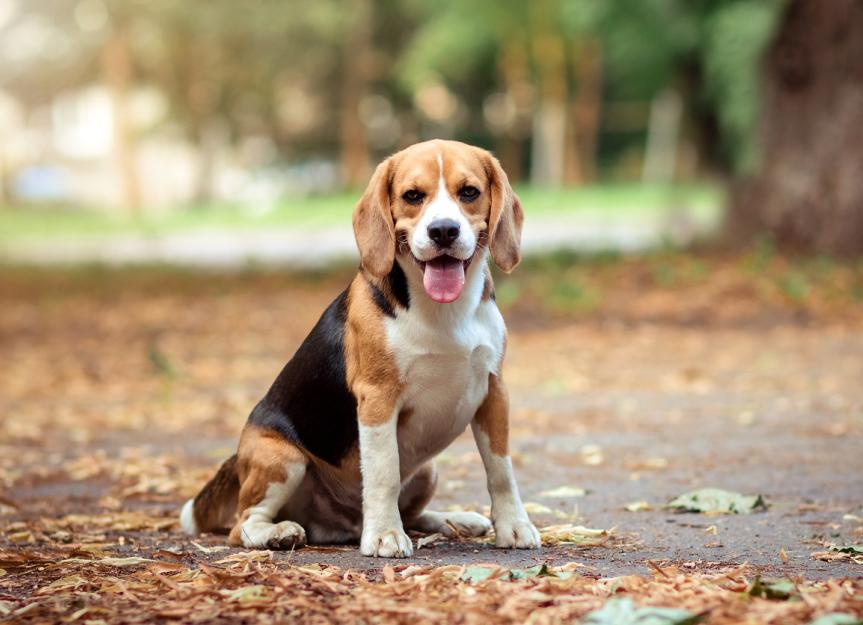
Begin with a steady-paced walk to get the blood flowing. This phase focuses on basic obedience and leash manners. Keep the pace brisk enough that your beagle is moving purposefully but not yet sniffing indiscriminately. Use this time to establish control before introducing distractions.
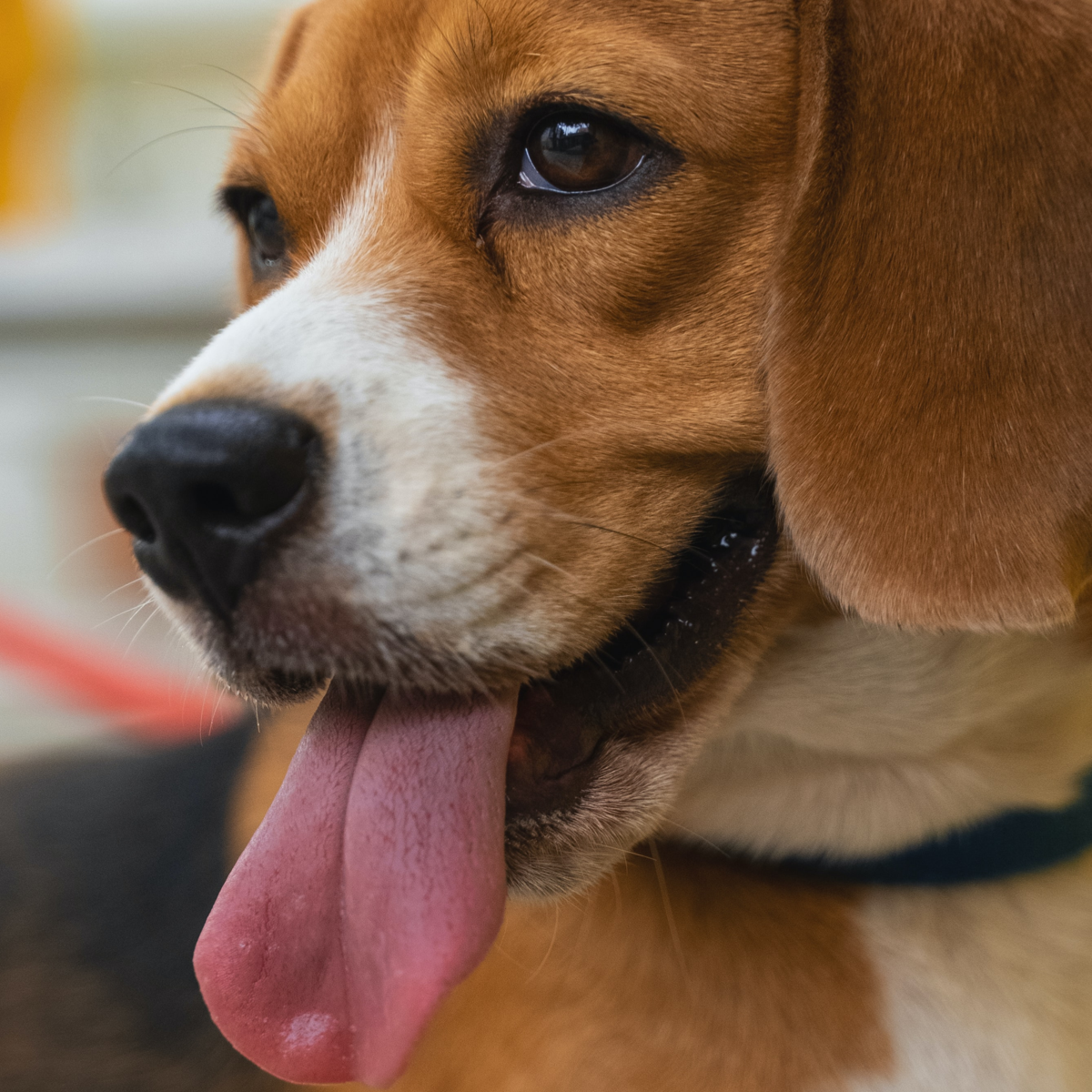
This is the core of mental stimulation for a beagle. Hide treats in the yard or use a snuffle mat indoors. Let them track a scent trail using a piece of kibble dragged across the grass. Engaging their nose is exhausting for beagles in a way that running alone is not, providing deep mental satisfaction.

Once their nose is tired, switch to physical exertion. Play fetch in a secure, fenced area or let them run off-leash if in a safe, enclosed space. Beagles are built for endurance, so aim for sustained movement rather than short bursts. This burns off excess energy that might otherwise result in nighttime barking.
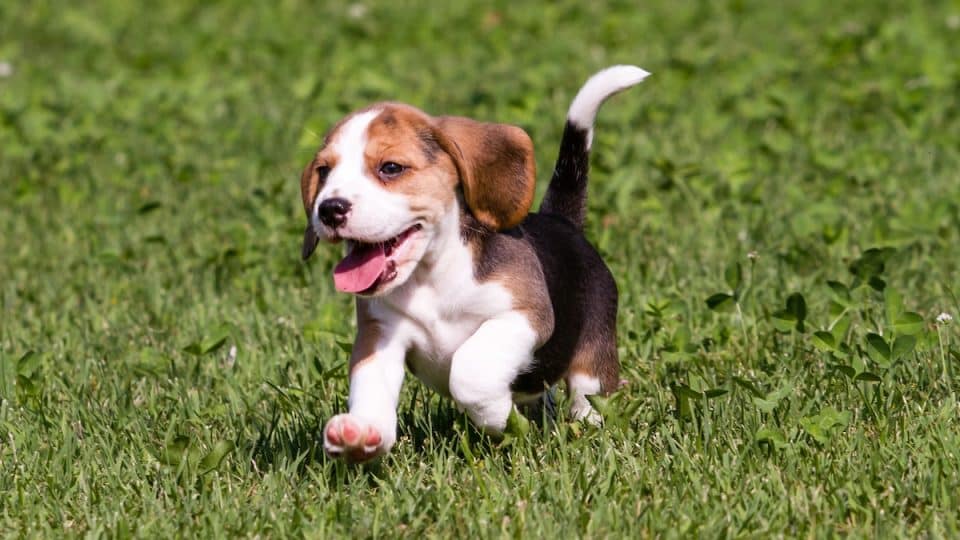
End the session with a slow, calm walk back to your home or crate. This helps lower their heart rate and signals that playtime is over. A tired beagle is a well-behaved beagle, and consistent cool-downs reinforce the boundary between activity and rest.
This structured approach ensures your beagle gets the full spectrum of exercise they need. Consistency is key; aim for this routine daily to maintain a happy, healthy dog.
Manage shedding with weekly brushing
Beagles have a dense double coat that sheds year-round, with heavier "blowing" of the coat during seasonal changes. To keep loose hair out of your home and maintain skin health, establish a consistent weekly brushing routine. This Beagle Care practice removes dead undercoat before it ends up on your furniture and encourages the growth of healthy new hair.

Use a medium-bristle brush to work through the topcoat. For the dense undercoat, a rubber grooming mitt or hound glove is highly effective. These tools lift loose hair without irritating the skin, making the process pleasant for your dog.
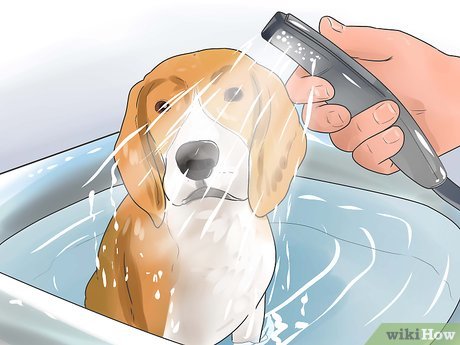
Begin at the neck and work your way down the body. Use long, smooth strokes following the natural direction of the hair. This prevents tangling and ensures you reach the undercoat where most shedding occurs.
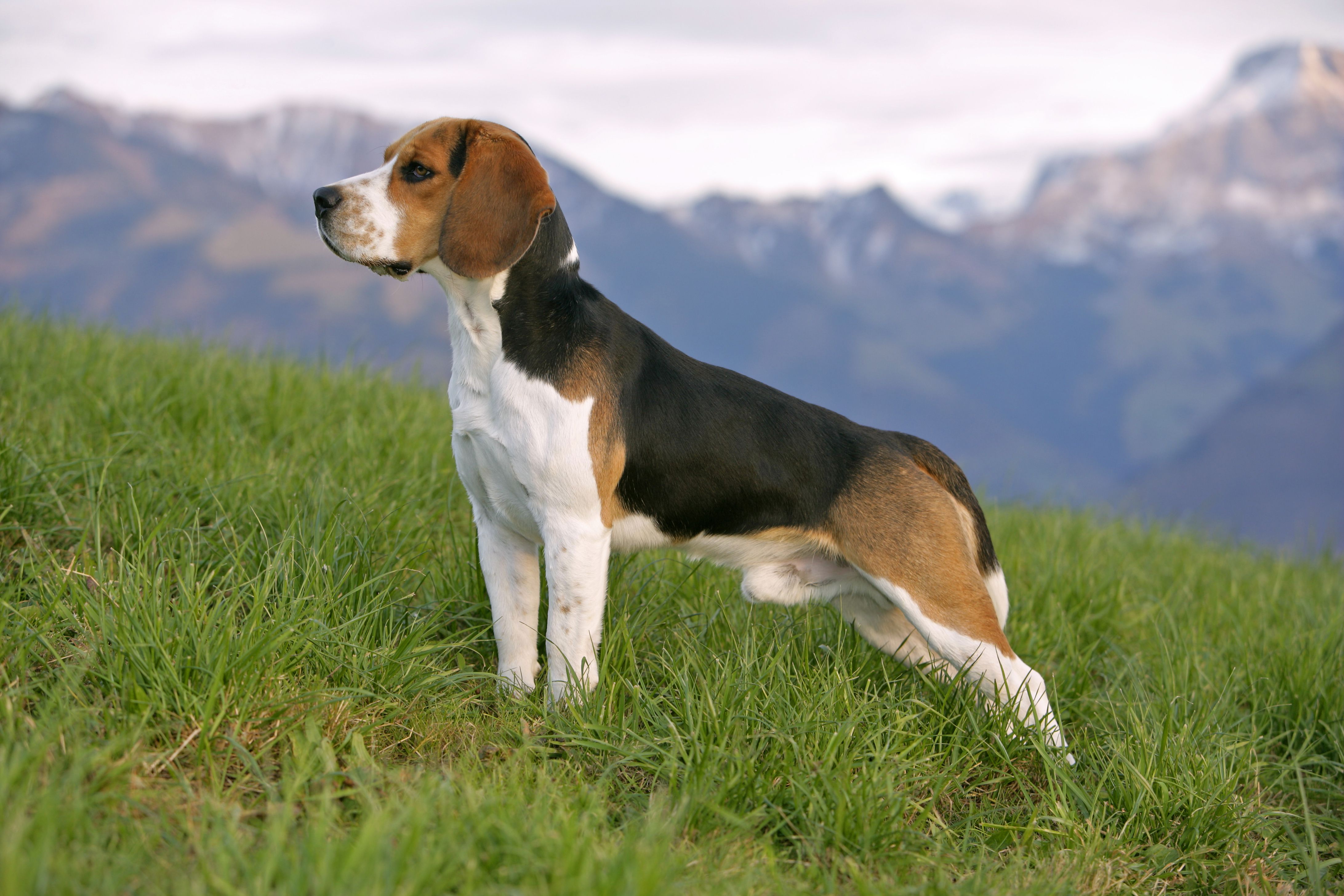
Pay extra attention to the back, flanks, and tail, where the coat is thickest. Gently lift the topcoat with one hand while brushing the underlayer with the other. This ensures you remove trapped loose hair that regular surface brushing might miss.
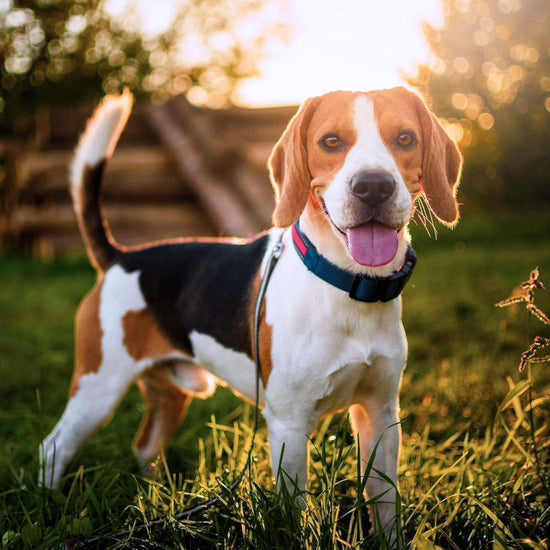
Run a rubber grooming mitt or hound glove over the entire body. The rubber texture grabs loose hairs that remain after brushing. This final step significantly reduces the amount of hair left on your dog’s coat and your home.
Consistency is key. A weekly session prevents the buildup of loose hair and keeps your Beagle’s coat shiny and healthy. If your dog tolerates it, you can brush more frequently during peak shedding seasons to manage the volume of loose hair.
Control portions to prevent obesity
Beagles are notorious food motivators, often treating every open container and dropped crumb as a personal invitation to dine. This breed’s tendency to gain weight easily makes strict dietary management a non-negotiable part of daily Beagle Care. Without measured portions, even small daily overfeedings can lead to significant health issues over time.
Measured Meals vs. Free Feeding
Free-feeding (leaving food out all day) is risky for Beagles because they rarely stop eating until the bowl is empty. Instead, switch to scheduled, measured meals. This approach allows you to monitor exactly how much they consume and adjust based on activity levels. Use a standard kitchen measuring cup or a dedicated dog food scoop to ensure consistency.
Treat Budgeting
Treats should never exceed 10% of your Beagle’s daily caloric intake. If you use treats for training, reduce the kibble portion in their main meals accordingly. High-value treats are useful for recall training, but small, low-calorie options like diced carrots or green beans can satisfy their chewing urge without adding excess fat.
Comparison: Feeding Strategies
The table below illustrates how different feeding methods impact calorie control and weight management for this food-motivated breed.
| Feeding Method | Portion Control | Obesity Risk | Best For |
|---|---|---|---|
| Free Feeding | Low | High | Busy owners who leave food out all day |
| Scheduled Meals | High | Low | Most Beagles requiring weight management |
| Puzzle Feeders | Medium | Medium | Slow eaters needing mental stimulation |
Handle the scent drive and escape risks
Beagles are scent hounds, which means their noses lead their lives. In the world of Beagle Care, this instinct is both their greatest strength and their biggest liability. A faint trail can override years of training in seconds, turning a simple walk into a chase. To keep your dog safe, you must manage this drive with secure boundaries and reliable recall.
Build a secure perimeter
Fencing is the first line of defense. Beagles are surprisingly agile and can squeeze through small gaps or jump moderate heights. A standard 4-foot fence is rarely enough. Aim for at least 6 feet, and ensure there are no gaps under the gate or between fence slats. Consider adding a coyote roller to the top of the fence to prevent climbing or leaping over. Regularly inspect the perimeter for holes dug under the fence, as Beagles are also known to dig when following a scent.
Train a reliable recall
Recall training for a Beagle is less about obedience and more about competition. You are competing against every interesting smell in the environment. Start indoors with zero distractions, using high-value treats like boiled chicken or cheese. Gradually increase the distance and distractions, moving to a fenced yard, then a quiet park. Never call your Beagle to you to punish them or end fun activities; always make coming back the best part of the day. If you lose them, do not chase them, as this triggers their prey drive. Instead, crouch down, act excited, or use a high-pitched sound to draw their attention back.
Manage outdoor exposure
Until your Beagle has a rock-solid recall, keep them on a long line (15-30 feet) during off-leash time. This gives them freedom to explore while maintaining control. Avoid off-leash areas near busy roads or dense woods where escape routes are plentiful. Remember, a Beagle’s nose is up to 10,000 times more sensitive than yours; what smells like nothing to you might be a feast to them.
Address separation anxiety early
Beagles are pack animals by nature, which makes solitude one of their biggest challenges. When left alone for too long, their social instinct can flip into distress, resulting in howling, digging, or destructive chewing. Because Beagle Care requires managing this high social drive, you must treat separation anxiety as a training priority, not just a behavioral nuisance. The goal is to help your dog feel secure in their own space, even when you aren't there.
Start by establishing a predictable routine. Dogs find comfort in consistency, so try to leave and return at similar times each day. This predictability reduces the uncertainty that triggers anxiety. When you do need to leave, keep departures and arrivals low-key. Avoid making eye contact, speaking in high voices, or engaging in long goodbyes. Treat your exit like a mundane event, such as grabbing the mail, rather than a dramatic separation.
To prevent boredom from turning into destruction, prepare a safe zone with enrichment toys. Puppies and young beagles are especially prone to teething and chewing, so provide durable, safe options that encourage independent play. A Kong stuffed with frozen peanut butter or a puzzle feeder can occupy them for the duration of your absence. These items create a positive association with being alone, shifting their focus from your absence to the task at hand.
Never leave a beagle alone for extended periods. If leaving is unavoidable, the general rule is to keep solo time under four hours. Even this limit may be too long for some dogs. For longer workdays, arrange for a dog walker, a neighbor check-in, or drop-off at a doggy daycare. Socializing your beagle with other dogs and people early on also helps them build confidence, making them less dependent on your constant presence.
Frequently asked questions about Beagle care
Beagles are sturdy, friendly dogs, but their specific traits require a dedicated routine. Understanding their needs for mental stimulation and social connection helps prevent behavioral issues before they start.
No comments yet. Be the first to share your thoughts!