

Start with a secure yard
A Beagle does not run away out of spite; it runs because its nose has locked onto a scent, and its brain overrides any training or bond it has with you. Trusting a Beagle to stay in an unsecured yard is a gamble you cannot afford to take. A standard garden fence is rarely enough because Beagles are determined climbers and diggers. If there is a scent on the other side, they will find a way over, under, or through it. You need to build a barrier that accounts for their specific physical capabilities. This means checking for gaps under the fence line that could allow them to squeeze through or dig out, and ensuring the fence height is sufficient to deter jumping.
To keep your Beagle safe, aim for a fence that is at least four to five feet high, though taller is better for particularly athletic dogs. Concrete or solid wood barriers are often more effective than chain-link, which can be scaled if there are nearby structures to use as stepping stones. If you have a garden, consider adding a chicken wire apron buried a few inches underground along the perimeter to stop digging. Until your Beagle is reliably responsive to recall commands—something that can take months or years of consistent training—assume they will escape if given the chance.
Feed measured portions daily
Beagles were bred to hunt in packs, which means their survival depended on an insatiable appetite and the ability to eat anything they found. Without strict portion control, a Beagle will happily eat until they are obese, leading to joint issues, diabetes, and shortened lifespans. Free-feeding is the fastest way to compromise your dog’s health.
Use a standard measuring cup to serve food twice a day. Do not eyeball the portions. Follow the feeding guidelines on your dog food bag as a starting point, but adjust based on your dog’s body condition. You should be able to feel their ribs without pressing hard, and you should see a waist when viewed from above. If you can’t feel the ribs, reduce the portion size immediately.
Avoid table scraps and excessive treats. Beagles are food-motivated and will beg persistently. It is easy to give in, but every extra calorie adds up quickly. Stick to a consistent schedule. If you need to use treats for training, deduct those calories from their daily meal portion. This discipline is the single most important factor in keeping your Beagle healthy and happy.
Walk them before sniffing
Their nose is their primary tool for navigating the world, which means a walk isn't just exercise—it is a mental workout. However, this biological drive can turn a simple stroll into a tug-of-war if you don't manage the sequence of events. The goal is to burn off physical energy before you allow the mental stimulation of sniffing. If you let a beagle sniff immediately, they will likely ignore commands to move forward. They become so absorbed in the olfactory landscape that pulling on the leash feels like a minor inconvenience compared to the scent trail. By exercising them first, you ensure their body is tired, making the subsequent sniffing session a calm reward rather than a chaotic chase.
Step 1: Secure a front-clip harness
Beagles have a powerful neck and a stubborn streak that makes collars ineffective for control. A front-clip harness redirects their momentum toward you when they pull, rather than allowing them to lean into the pressure. This is non-negotiable for a breed that can easily drag a small owner if they spot an interesting scent.
Begin the walk at a brisk pace. Do not stop for sniffing yet. Keep the leash loose but firm enough to maintain direction. You want to elevate their heart rate and burn the initial burst of energy. If they try to bolt toward a bush, gently guide them back to the path without engaging in a struggle. Consistency here teaches them that forward movement is the priority.
Continue the walk for 10 to 15 minutes, depending on your beagle's age and fitness level. Keep a steady rhythm. Avoid stopping to talk to other people or dogs during this phase, as this breaks the exercise momentum. The focus is purely on physical exertion. A tired beagle is a manageable beagle.
Once the physical energy is depleted, allow the sniffing to begin. This is the reward phase. Let them explore the environment at their own pace. Because they are physically tired, they are less likely to pull or drag you. They will still be engaged, but the intensity will be manageable. This sequence respects their nature while keeping you in control.
This routine transforms the walk from a battle of wills into a structured activity. You are working with their instincts, not against them. By exhausting the body first, you satisfy the mind later without sacrificing your safety or comfort. Over time, your beagle will learn to walk calmly, knowing that the best smells are saved for the end of the journey.
Clean ears and brush weekly
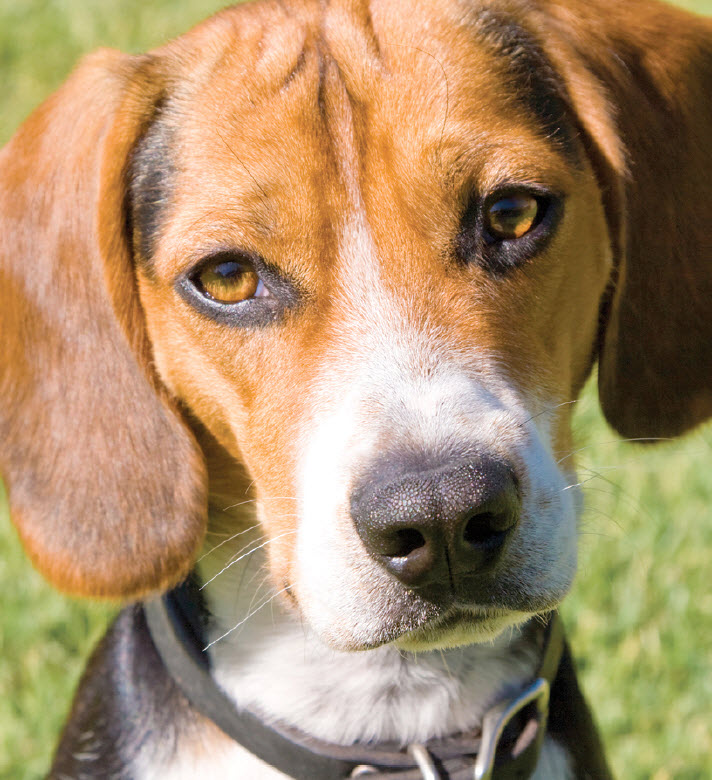
Their long, velvety ears trap heat and moisture, creating a perfect environment for yeast and bacteria. Without weekly attention, these floppy ears become a liability. Similarly, their short, dense coat sheds year-round, with heavier molts in spring and fall. Regular brushing manages the loose hair and keeps their skin healthy.
Ear care routine
The structure of a Beagle’s ear is designed to filter scents from the air, which means it also filters dirt, pollen, and debris. Check the ears weekly for redness, dark discharge, or a yeasty odor. If the ear looks clean, wipe the visible part of the inner flap with a cotton ball dampened with a vet-approved ear cleaner. Never insert anything into the ear canal. If you see inflammation or your dog shakes its head frequently, skip the cleaning and consult a veterinarian, as this may indicate an infection requiring medication.
Brushing technique
A soft-bristle brush or a rubber grooming mitt works best for their short coat. Brush in the direction of hair growth to remove loose fur and distribute natural oils. This routine is also the perfect time to check for ticks or fleas, as their short hair makes parasites easy to spot. Brushing once a week is usually sufficient to control shedding, but increase the frequency during seasonal changes. This simple habit reduces the amount of hair on your furniture and helps you stay connected with your dog during a task they often tolerate well.
Train with scent games
Physical exercise alone won't satisfy a Beagle. Their brain is wired for nose work, and without it, boredom quickly turns into destructive behavior. You need to engage their primary sense: smell.
Start with simple hide-and-seek. Toss a treat under a cup or behind a chair. Let them track the scent. This taps into their stubborn, food-driven nature without requiring complex commands.
Try "find it" games with strong-smelling treats like cheese or liver. Scatter kibble in the grass or hide it in a snuffle mat. This slows down their eating and keeps them mentally sharp.
Consistent scent play reduces the urge to bark or dig. It gives their nose a job to do, which is often more tiring than a long walk.
Prepare for vocalization
Their vocalizations are a biological feature, not a behavioral bug. When a beagle catches a scent, it often responds with a distinctive "baying" howl that can carry over long distances. Understanding this instinct helps you manage expectations: your dog isn't trying to annoy you; it is communicating with its pack.
To mitigate excessive noise, focus on mental stimulation and structured exercise. A tired beagle is a quiet beagle. Provide puzzle toys and scent games to engage their nose, reducing the urge to bay out of boredom. Consistent training that rewards silence is more effective than punishment, which can increase anxiety and noise.
Set boundaries early. If your beagle bays at passing cars or neighbors, use white noise or closed windows to dampen external triggers. Remember that complete silence is unrealistic for this breed, but you can teach them when and where it is appropriate to vocalize.
Check your beagle care list
Their daily routine must actively manage their nose, appetite, and noise. Use this checklist to ensure you haven't missed the tasks that keep a curious, food-driven hound healthy and happy.
No comments yet. Be the first to share your thoughts!