

Beagle Lifespan: The Typical Range
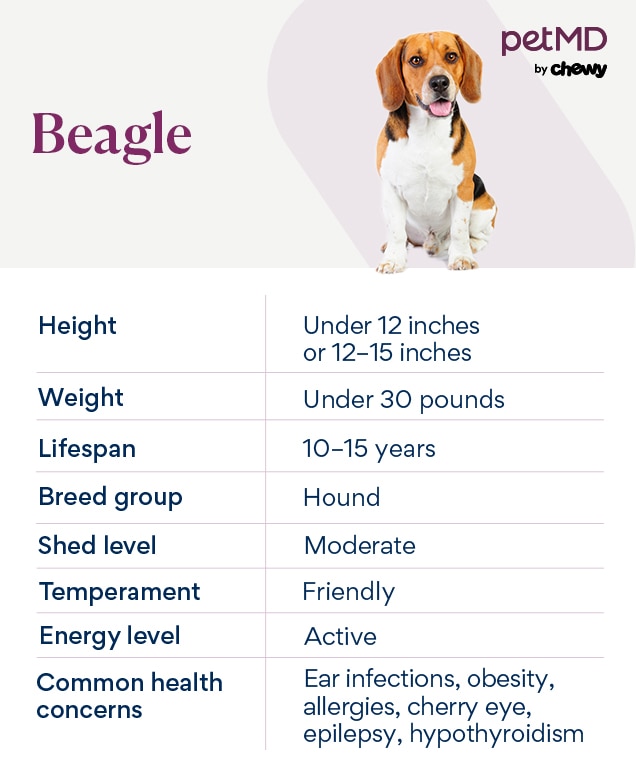
Beagles typically live between 12 and 15 years. Many factors influence how long an individual dog lives, including genetics, diet, lifestyle, and veterinary care.
Some Beagles live past 15 years with good genes and care, while others face health issues that shorten their lives. Beagles are prone to specific health problems that can affect their lifespan.
Knowing about these potential issues helps owners be proactive about their Beagle’s health. Early detection and preventative care are important for maximizing a dog's lifespan.
Genetic Predispositions: What Beagles Face
Beagles are prone to several health conditions that can affect their lifespan. Glaucoma, which damages the optic nerve, is common and can lead to blindness if untreated. Epilepsy, marked by seizures, can also impact a Beagle’s quality of life and shorten their lifespan.
Musculoskeletal issues include hip dysplasia, which causes pain and arthritis, and intervertebral disc disease (IVDD), which can lead to paralysis. Cherry eye is a common ocular issue, and hypothyroidism can affect overall health.
Responsible breeders screen for these conditions, but genetic testing isn't foolproof. Even with careful breeding, these issues can still appear. A puppy's initial health doesn't guarantee a life free of these problems, so owners must remain vigilant.
The impact of these conditions on lifespan varies. Well-managed hypothyroidism may have little effect, but severe IVDD can significantly reduce a Beagle’s quality of life and lifespan. Early detection and veterinary intervention are critical to mitigating these risks.
Diet's Impact: Fueling a Longer Life
A Beagle's diet is a significant factor in their lifespan. A high-quality diet, suited to their age and activity level, is essential. Choose food with a named meat source like chicken, lamb, or fish as the primary ingredient. Protein is important for muscle mass but needs to be balanced.
Beagles are prone to obesity, making portion control crucial. They are highly food-motivated, so use a measuring cup and follow feeding guidelines, adjusting based on your Beagle’s body condition. Avoid table scraps, which can cause weight gain and digestive upset.
Use life-stage specific diets. Puppies need food for growth, with higher protein and calcium. Adult Beagles need a balanced formula for weight and energy. Senior Beagles may benefit from lower calories and higher fiber. Be mindful of potential allergens like corn, wheat, or soy.
Here’s a quick checklist for dietary success:
- Choose a high-quality food with a named meat source.
- Measure food portions carefully.
- Avoid table scraps and human foods.
- Consider a life-stage specific diet.
- Monitor your Beagle’s weight and adjust food accordingly.
Exercise & Mental Stimulation: Keeping Sharp
Beagles have a lot of energy due to their scent hound breeding. Regular exercise and mental stimulation are vital for their wellbeing. Daily walks are a start, but they also need opportunities to sniff and explore. Scent work taps into their natural instincts.
Puzzle toys keep Beagles mentally engaged, from simple treat dispensers to complex problem-solving games. Bored Beagles can become destructive and prone to mischief. Under-exercised Beagles also risk obesity.
Aim for 30-60 minutes of exercise daily, in multiple sessions. This can include walks, yard play, or scent work. Consistent physical and mental activity improves overall health, boosts the immune system, and can add years to their life.
Preventative Veterinary Care: The Cornerstone
Regular veterinary checkups are essential for your Beagle’s health and lifespan. Annual checkups allow your vet to monitor health, detect problems early, and provide preventative care. Vaccinations protect against infectious diseases, and parasite prevention (flea, tick, heartworm medication) is vital.
Dental care is important. Dental disease can cause pain, infection, and systemic health problems. Regular brushing and professional cleanings help prevent this. As Beagles age, annual bloodwork and urinalysis become more important for detecting early signs of kidney disease, liver disease, and other age-related conditions.
Early detection is key, as many health problems are easier to treat when caught early. Contact your veterinarian if you notice any changes in your Beagle’s behavior or physical condition.
- Puppy vaccinations (8-16 weeks)
- Annual checkups and vaccinations
- Regular parasite prevention
- Annual dental cleanings (as recommended by your vet)
- Senior bloodwork and urinalysis (starting at age 7-8)
Recognizing Early Warning Signs
Vigilant owners know their Beagle's normal behavior and can recognize subtle changes indicating a health problem. Watch for changes in appetite, energy levels, or weight. Sudden appetite loss or unexplained weight loss needs investigation. Increased thirst or urination can also signal health issues.
Watch for physical symptoms like coughing, sneezing, limping, or difficulty breathing. Changes in vision, such as eye cloudiness or redness, need prompt attention. Behavioral changes, like increased irritability or lethargy, can also signal a problem. Don't dismiss these changes as 'just getting old'.
undefined improve your Beagle’s quality of life.
Beagle Mixes & Lifespan
Crossing a Beagle with another breed can create a wonderful companion, but it also introduces the potential for a different set of genetic predispositions. The lifespan of a Beagle mix can be influenced by the health concerns common to both parent breeds. For example, a Beagle Labrador mix might be prone to hip dysplasia (common in Labs) as well as the Beagle-specific issues we discussed earlier.
A Beagle Pitbull mix could inherit a predisposition to skin allergies or certain types of cancer (more common in Pitbulls). A Beagle Dachshund mix might be at increased risk of intervertebral disc disease, as Dachshunds are prone to back problems. It's important to research the health concerns of both parent breeds when considering a Beagle mix.
Unfortunately, it’s difficult to predict the exact lifespan of a Beagle mix. It depends on the specific genetic combination and the individual dog’s lifestyle and care. Knowing the health histories of both parent breeds is crucial, but it’s not a guarantee. Regular veterinary checkups and a proactive approach to preventative care are even more important for mixed breeds.
Beagle Mix Comparison: Potential Impact on Lifespan
| Beagle Mix | Potential Health Concerns | Typical Energy Level | Lifespan Risk |
|---|---|---|---|
| Beagle Lab | Increased risk of hip dysplasia, bloat, and obesity due to size and breed predispositions. | High | Moderate Risk |
| Beagle Pitbull | Potential for skin allergies, hip dysplasia, and a higher risk of aggression requiring careful socialization. | High to Very High | Higher Risk |
| Beagle Dachshund | Increased risk of intervertebral disc disease (IVDD) due to the Dachshund parentage, and potential for back problems. | Moderate | Moderate Risk |
| Beagle Beagle | Generally fewer mixed-breed health concerns, but still susceptible to Beagle-specific issues like glaucoma and epilepsy. | Moderate to High | Lower Risk |
| Beagle Spaniel | Potential for ear infections (common in Spaniels) and eye issues. Moderate risk of hip dysplasia. | High | Moderate Risk |
| Beagle Poodle | Lower risk of certain genetic conditions due to poodle genetics, but potential for bloat and skin sensitivities. | Moderate to High | Lower Risk |
| Beagle Terrier (various) | Energy levels and health concerns vary significantly depending on the Terrier breed, but potential for skin issues and joint problems. | High to Very High | Moderate to Higher Risk |
Illustrative comparison based on the article research brief. Verify current pricing, limits, and product details in the official docs before relying on it.
Adding Years: A Realistic Outlook
While Genetics undoubtedly play a role, but lifestyle and preventative care are largely within our control. A healthy diet, regular exercise, and consistent veterinary care are the cornerstones of a long and happy life for your Beagle.
Saying goodbye is an inevitable part of pet ownership, but by providing the best possible care, we can ensure our Beagles enjoy a fulfilling life and we cherish every moment with them. It’s about maximizing their comfort, minimizing their suffering, and making their time with us the best it can be.


No comments yet. Be the first to share your thoughts!