

Meet the merry beagle
A pet beagle is a small hound defined by its boundless energy and expressive face. Originally bred for hunting rabbits, these dogs pack a hefty punch of personality for their size. They are bold, curious, and relentlessly friendly, traits that make them excellent family companions for active households. Their "merry" disposition means they are almost always happy to see you, offering constant affection and a willingness to join in any family activity.
Physically, the beagle is built for endurance rather than speed. They have a compact, muscular body with a short, weather-resistant coat that comes in standard tri-color patterns or red and white. Their long, floppy ears help trap scent particles, directing them toward their nose, which is their primary tool for understanding the world. Despite their small stature, they are sturdy and robust, capable of keeping up with long walks or jogs if you have the time to give them.
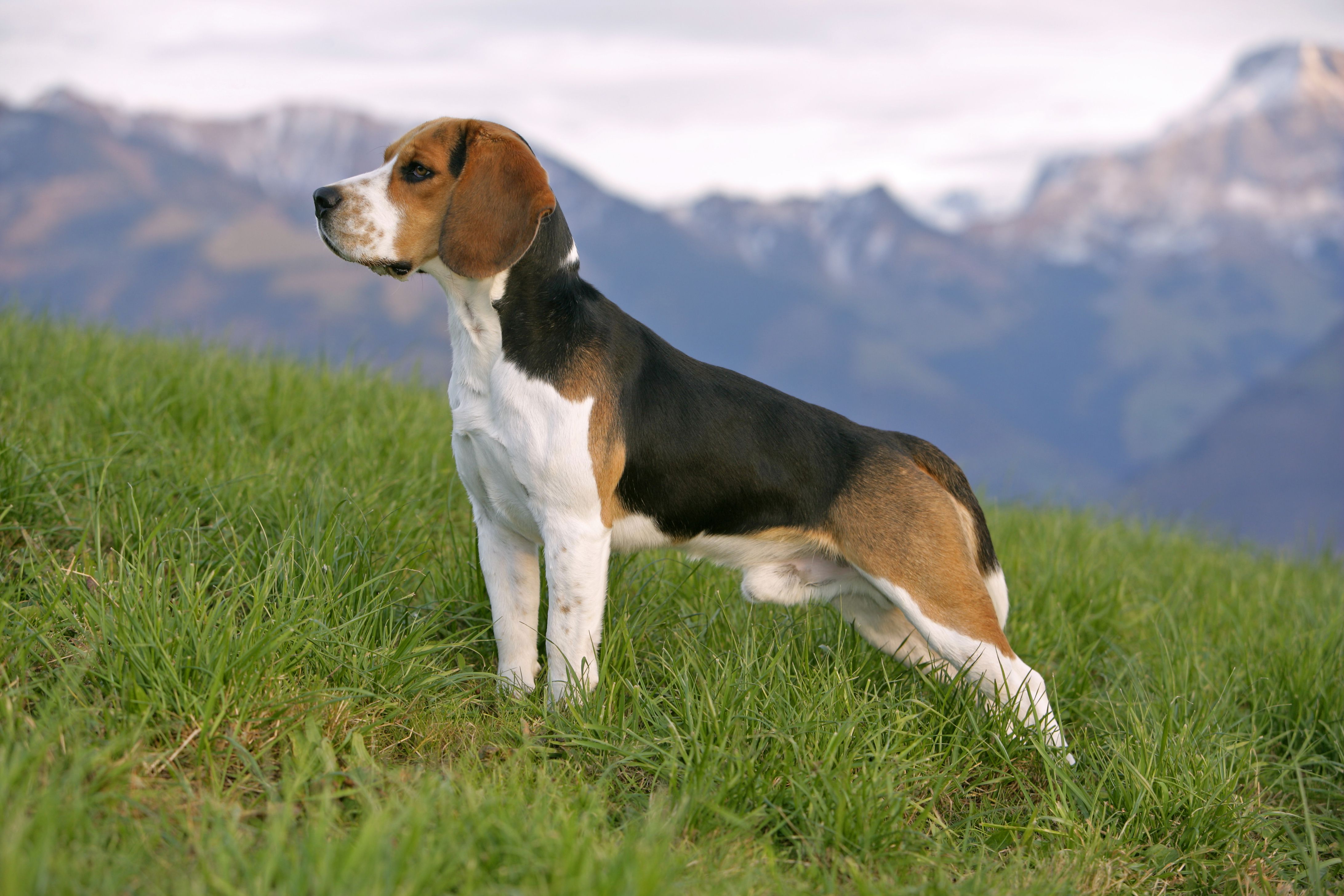
:strip_icc()/beagle-RolfKopfle-Photolibrary-Getty-135631212-56a2756667.jpg)
Image: A beagle in its natural, alert stance.
This breed is not for owners seeking a quiet lap dog. Beagles are social creatures that thrive on interaction and can become destructive if left alone for long periods. Their strong sense of smell means they will follow their nose, often ignoring recall commands if a interesting scent catches their attention. Therefore, a secure fence and regular mental stimulation are essential for keeping a pet beagle happy and well-behaved.
With proper care, a pet beagle typically lives 12 to 15 years. Their longevity is closely tied to their weight and activity level. Because they love food and have a low pain tolerance for treats, they are prone to obesity, which can shorten their lifespan. Keeping them active and feeding them measured portions is the best way to ensure they stay healthy and merry throughout their life.
Calculate your beagle budget
Owning a pet beagle involves more than just the initial acquisition cost. While the price tag for a puppy or adoption fee is the most visible expense, the annual cost of care is where the real financial commitment lies. Beagles are sturdy, medium-sized dogs with high energy levels and a voracious appetite, which drives up recurring costs for food and veterinary care.
To help you plan, we have broken down the typical expenses into two categories: initial setup and annual recurring costs. Use the calculator below to estimate your specific budget based on your location and the age of your dog.
Initial Acquisition Costs
The upfront cost varies significantly depending on whether you adopt from a shelter or buy from a breeder. Adoption fees typically range from $100 to $300 and often include initial vaccinations, spaying/neutering, and microchipping. Buying from a reputable breeder usually costs between $1,000 and $1,500. Regardless of the source, you will also need to budget for essential supplies like a crate, leash, collar, bed, and toys, which can add another $200 to $400 to your initial outlay.
Annual Recurring Costs
Once your beagle is home, you will face consistent yearly expenses. High-quality dog food is a major cost, especially since beagles are prone to obesity if overfed. Annual food bills can range from $400 to $600 depending on the brand and portion sizes. Veterinary care, including annual check-ups, heartworm prevention, and flea/tick medication, typically costs between $300 and $500. Pet insurance is increasingly popular for beagle owners due to the breed's susceptibility to certain genetic conditions; premiums average $30 to $50 per month.
Hidden and Variable Expenses
Beyond the standard budget, beagle owners should anticipate variable costs. These include grooming supplies, replacement toys (beagles are chewers), training classes, and occasional emergency vet visits. Setting aside a separate emergency fund of at least $500–$1,000 is a prudent step to handle unexpected health issues without financial stress. By planning for both the predictable and unpredictable costs, you can ensure a stable and happy home for your pet beagle.
Feed your beagle right
Beagles are notorious for their insatiable appetites. This breed will happily eat until they are physically uncomfortable, making them prone to obesity if portions are not strictly managed. Excess weight puts dangerous strain on their joints and spine, leading to early mobility issues and other health complications. Feeding your pet beagle the right amount is the single most effective way to ensure they live a long, active life.
Understanding nutritional needs
High-quality commercial dog food provides the baseline nutrition your beagle needs. Look for formulas specifically designed for small to medium breeds, as these account for their faster metabolism and smaller jaw size. The ingredient list should feature named meat sources as the primary component, rather than generic by-products. Avoid foods with excessive fillers like corn or wheat, which offer little nutritional value and can contribute to weight gain without providing satiety.
Portion control strategies
Measuring food is non-negotiable for this breed. Free-feeding, where a bowl is left out all day, is a recipe for disaster. Use a standard measuring cup to portion out meals twice daily, adjusting based on your dog's activity level and body condition. A good rule of thumb is to ensure you can feel, but not see, your beagle's ribs. If you cannot feel them easily, reduce the portion size slightly.
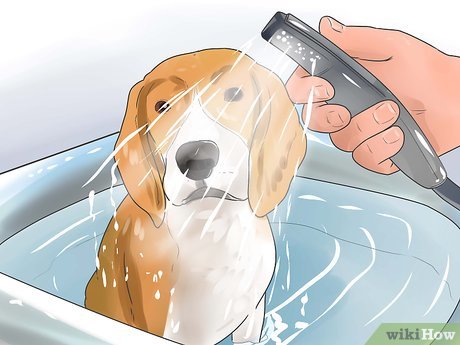
Dry kibble vs. wet food
Choosing between dry and wet food involves balancing cost, dental health, and palatability. Wet food is often more aromatic and appealing to picky eaters, but it is significantly more expensive and does not help clean teeth. Dry kibble is cost-effective and aids in dental hygiene by scraping plaque, though some beagles may prefer the texture of wet food. Many owners find a hybrid approach works best: dry kibble as the staple with a small amount of wet food mixed in to encourage eating.
| Feature | Dry Kibble | Wet Food |
|---|---|---|
| Cost | Low | High |
| Dental Health | Helps reduce plaque | Minimal benefit |
| Palatability | Standard | High |
| Shelf Life | Long | Short after opening |
Calculating daily intake
Every beagle is different. Use the calculator below to estimate your dog's daily caloric needs based on their current weight and activity level. This provides a starting point, but you should monitor their weight weekly and adjust accordingly. Consult your veterinarian for a precise plan, especially if your beagle is overweight or has underlying health conditions.
Manage Shedding and Grooming
The Beagle’s short, dense double coat is designed for outdoor work, which means it sheds year-round with heavier blowouts in spring and fall. Managing this shedding doesn’t require expensive tools or daily grooming sessions, but it does require consistency. A weekly brushing routine keeps loose hair from accumulating on your furniture and floors while distributing natural oils that keep the coat healthy and shiny.
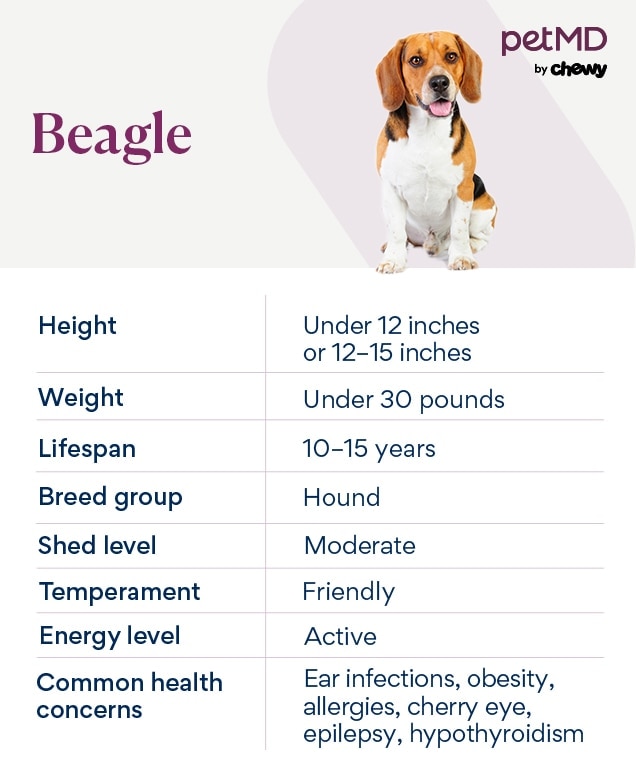
A rubber grooming mitt or a bristle brush works best for this breed. These tools gently lift dead hair from the undercoat without irritating the skin. During peak shedding seasons, increase brushing to two or three times a week. For everyday maintenance, a quick ten-minute session is sufficient to remove loose fur and keep the coat neat. Bathing should be limited to every few months or when the dog gets particularly dirty, as over-bathing can strip essential oils and lead to dry, itchy skin.
Ear care is equally important for the Beagle. Their long, heavy ears create a warm, dark environment where bacteria and yeast can thrive. Check the ears weekly for redness, odor, or excessive wax. Clean them gently with a veterinarian-approved ear cleaner and a cotton ball, avoiding cotton swabs that can push debris deeper into the ear canal. Regular ear checks prevent painful infections that are common in floppy-eared breeds.
Manage Beagle Barking and Training
Beagles are scent hounds, which means their noses often lead their behavior. This instinct makes them vocal, especially when they catch an interesting smell. They are known to bark and howl like a small foghorn, sometimes more than other breeds. However, this doesn't necessarily mean chaos at home if you understand their triggers.
Training a Pet Beagle requires consistency and patience. Since they can be stubborn, positive reinforcement works best. Use high-value treats to reward quiet behavior and basic commands. Avoid punishment, as it can make them fearful or more resistant.
To reduce excessive barking, identify the cause. Is it boredom, anxiety, or just excitement? Provide plenty of mental stimulation through puzzle toys and sniffing games. A tired beagle is a quiet beagle.
Training Strategies for a Quiet Pet Beagle
Start with the "quiet" command. When your beagle barks, say "quiet" calmly. Wait for a pause in the barking, then immediately reward them. Repeat this process daily.
Socialization is also key. Expose your beagle to different people, animals, and environments early on. This helps them become confident and less reactive to new stimuli.
When to Seek Professional Help
If your beagle's barking becomes excessive or aggressive, consider consulting a professional trainer. They can provide personalized strategies to address specific behavioral issues.
Common beagle health: what to check next
Beagles are wonderful family dogs, loved for their friendly, sociable nature and playful energy with kids. They're affectionate, curious, and always up for family fun. However, prospective owners often have specific concerns about suitability, behavior, and the financial commitment involved.
No comments yet. Be the first to share your thoughts!