


Beagle Nutrition: A Breed-Specific Look
Beagles have specific nutritional needs. Unlike many small breeds, their history as scent hounds means they require food that provides sustained energy, not just quick bursts.
Beagles are prone to weight gain because they love food and are always sniffing for more. Managing their calorie intake is essential for their health and lifespan, which typically ranges from 12 to 15 years.
Beagles can also have sensitivities and allergies, often showing up as skin issues like itching, redness, or ear infections. Understanding their metabolism and potential sensitivities helps create a diet for a long, happy life.
Decoding the Dog Food Label
Dog food labels can be confusing. Ingredients are listed by weight, but 'chicken meal' or 'chicken by-product meal' means a more concentrated protein source than just 'chicken'.
Check the guaranteed analysis for protein, fat, fiber, and moisture percentages. An active Beagle needs at least 18% protein and 10% fat, though this varies by age and activity. Look for specific ingredients like 'salmon meal' instead of vague terms like 'meat meal'.
The AAFCO statement is important, confirming the food meets nutritional standards for a specific life stage. Avoid artificial colors, flavors, and preservatives, which offer no nutrition and can cause sensitivities. The goal is to choose food matching your Beagle's needs.
Top 7 Beagle Food Brands (2026)
Choosing the right food for your Beagle can be overwhelming. Here are seven brands that consistently get high marks for quality, nutrition, and suitability for the breed. I considered ingredient quality, protein content, and digestive suitability.
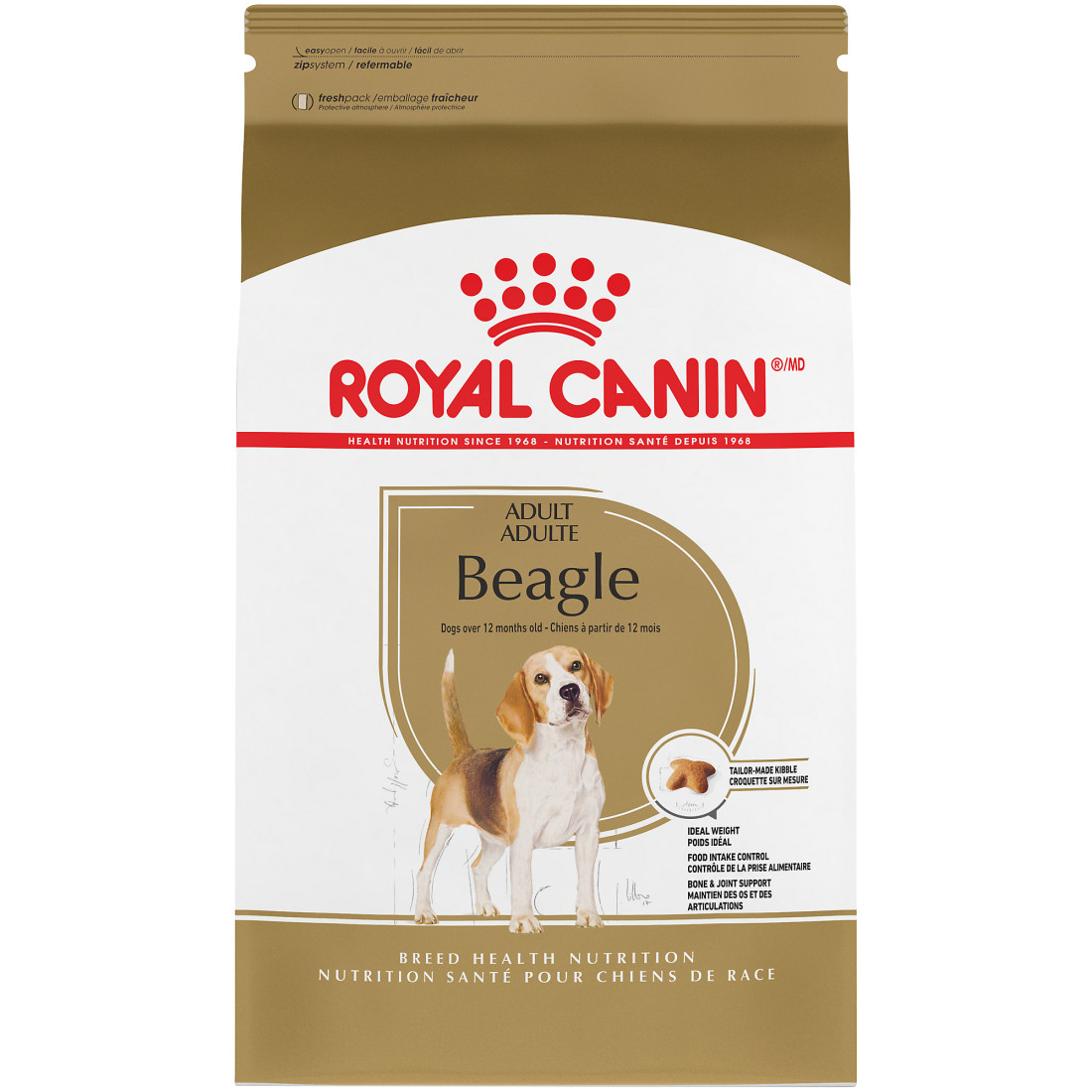
Royal Canin Beagle Adult Dry Dog Food: Specifically formulated for Beagles, this food features a tailored kibble shape to encourage chewing and slow down eating. It’s relatively high in protein (24%) and includes nutrients to support a healthy weight and skin. However, it’s one of the more expensive options.
Hill's Science Diet Adult Small Paws Chicken Meal & Rice Recipe: A widely available and trusted brand, Hill's Science Diet offers a balanced formula with a moderate protein content (23%). It's a good choice for Beagles with sensitive stomachs. Some owners report that Beagles can become picky with this food over time.
Blue Buffalo Life Protection Formula Small Breed Adult: This formula uses real chicken as the first ingredient and includes Blue Buffalo’s LifeSource Bits, a blend of antioxidants, vitamins, and minerals. It boasts a protein content of 24%, but some Beagles may experience digestive issues with the higher fiber content.
Wellness CORE Small Breed Original Recipe: A grain-free option packed with protein (32%) and healthy fats. It’s a good choice for active Beagles, but the high protein content might not be suitable for less active individuals. It's also pricier than some other options.
Purina Pro Plan Small Breed Formula: A veterinarian-recommended brand that offers a variety of formulas to address specific needs. The chicken and rice formula provides a balanced diet with moderate protein (26%). It’s generally well-tolerated by Beagles and is relatively affordable.
Orijen Small Breed Dry Dog Food: This is a biologically appropriate diet, meaning it’s formulated to mimic a Beagle’s ancestral diet. It’s extremely high in protein (38%) and features a wide variety of animal ingredients. It's the most expensive option on this list and may not be suitable for all Beagles.
Merrick Lil' Plates Small Breed Recipe: Merrick focuses on high-quality ingredients and limited ingredient diets. Their small breed recipes offer a good balance of protein (28%) and healthy fats, and they’re often a good choice for Beagles with allergies. It’s a mid-range price point, offering good value for the quality.
Featured Products

Specially formulated for the Beagle breed's nutritional needs · Supports healthy weight management · Promotes optimal digestion and nutrient absorption
Royal Canin offers breed-specific formulas designed to meet the unique dietary requirements of Beagles, supporting their overall health and vitality.

Formulated for small and mini breed adult dogs · Contains high-quality protein for lean muscle maintenance · Enriched with antioxidants for immune support
Hill's Science Diet provides balanced nutrition suitable for small breeds like Beagles, focusing on ingredients that support a healthy immune system and energy levels.

Features real chicken as the first ingredient · Contains LifeSource Bits, a blend of antioxidants, vitamins, and minerals · Formulated to support high energy needs of small breeds
Blue Buffalo's Life Protection Formula is made with natural ingredients and is designed to fuel the active lifestyle of small breed dogs, including Beagles.

Grain-free recipe with high protein content · Includes freeze-dried meat pieces for added palatability and nutrition · Formulated for the specific needs of small breed adults
Wellness CORE+ offers a protein-rich, grain-free option with freeze-dried pieces, ideal for Beagles who thrive on a high-quality, natural diet.
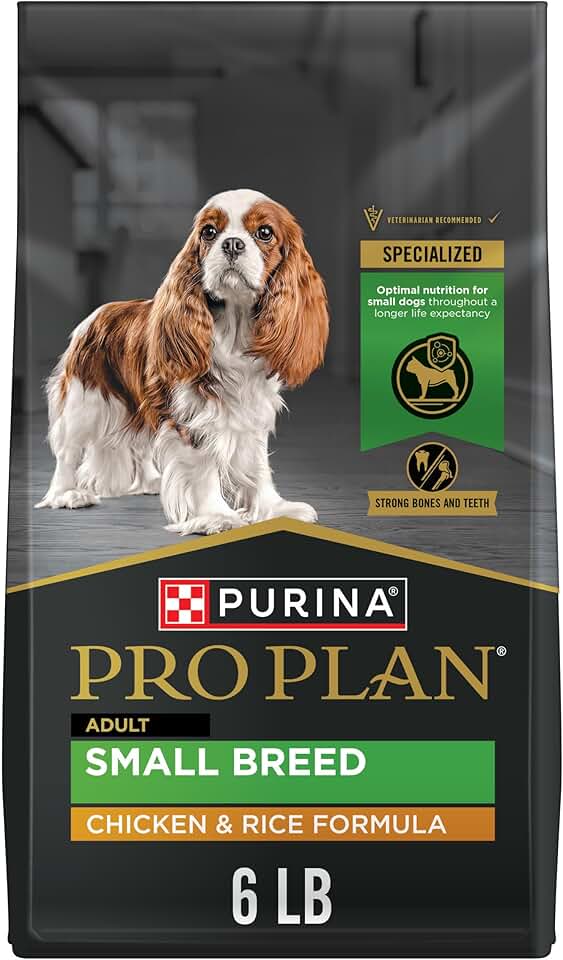
Contains guaranteed live probiotics for digestive and immune health · Formulated with high protein and antioxidants · Specifically designed for small breed dogs
Purina Pro Plan's small breed formula includes probiotics to support digestive health, making it a beneficial choice for Beagles' overall well-being.
As an Amazon Associate I earn from qualifying purchases. Prices may vary.
Life Stage Specific Feeding
Beagle puppies need different nutrition than adults or seniors. Puppy food, with higher protein (28-30%) and fat for rapid development, should be labeled for all or small breeds.
As Beagles reach adulthood (12-18 months), their calorie needs drop. Switch to an adult formula (22-26% protein) to prevent weight gain. Monitor their body condition – you should feel their ribs but not see them.
Senior Beagles (8+ years) need diets supporting joint health and muscle mass. Senior formulas with fewer calories and added glucosamine/chondroitin help with age-related issues. Smaller, frequent meals aid digestion. Transition foods gradually over 5-7 days to prevent upset.
Addressing Common Beagle Issues
Diet can help manage Beagles' predisposition to certain health issues. Food allergies, common and often causing skin irritation, ear infections, or digestive upset, may improve with a limited-ingredient diet using novel proteins like venison or duck. Avoid common allergens like beef, dairy, and wheat.
Skin sensitivities, often linked to food allergies or environmental factors, can benefit from omega-3 fatty acids for better skin and coat health. Bloat (GDV), a risk for deep-chested breeds like Beagles, can be reduced by feeding smaller, more frequent meals and avoiding exercise right before or after eating.
Certain foods are toxic to dogs. Never feed your Beagle chocolate, grapes, raisins, onions, garlic, or xylitol, as these can cause serious health problems or death. Contact your veterinarian immediately if you suspect ingestion.
- Toxic Foods: Chocolate, grapes, raisins, onions, garlic, xylitol
Homemade vs. Commercial: Weighing Your Options
The debate over homemade versus commercial dog food is ongoing. Preparing your Beagle’s food at home allows you to control every ingredient and ensure the highest quality. However, it requires significant research and commitment to formulate a nutritionally complete and balanced diet. A deficiency in even one essential nutrient can have serious health consequences.
If you choose to pursue a homemade diet, consult with a board-certified veterinary nutritionist. They can help you create a recipe that meets your Beagle’s specific needs. Commercial diets offer convenience and balanced nutrition, but quality varies considerably. Choosing a reputable brand with a strong quality control process is essential.
Ultimately, the best option depends on your lifestyle, budget, and willingness to invest the time and effort required. For many owners, a high-quality commercial diet is the most practical and reliable choice. Just remember to read labels carefully and choose a food that’s appropriate for your Beagle’s age, activity level, and health status.
Supplements: Do Beagles Need Them?
The question of whether or not to supplement your Beagle’s diet is a common one. In most cases, a well-balanced, high-quality commercial diet should provide all the nutrients your Beagle needs. However, certain supplements can be beneficial in specific situations. Omega-3 fatty acids, for example, can help improve skin and coat health and reduce inflammation.
Glucosamine and chondroitin can support joint health, particularly in senior Beagles. Probiotics can promote digestive health and may be helpful for Beagles with sensitive stomachs. However, it’s important to avoid over-supplementation, as this can lead to imbalances and potential health problems.
Before adding any supplements to your Beagle’s diet, consult with your veterinarian. They can help you determine if supplements are necessary and recommend appropriate dosages. Remember, more isn’t always better. A cautious approach is always best, focusing on providing a complete and balanced diet as the foundation of your Beagle’s health.
No comments yet. Be the first to share your thoughts!