

Beagles: More Than Just Cute Faces
The Beagle. Even the name evokes images of floppy ears, soulful eyes, and an eternally cheerful expression. They’ve consistently ranked among the most popular dog breeds for decades, and for good reason – they’re undeniably adorable. But beneath that charming exterior lies a complex personality shaped by centuries of breeding. As we head into 2026, with family dynamics and lifestyles evolving, it’s more important than ever to understand if a Beagle truly fits your life.
Originally bred as scent hounds, Beagles were developed to hunt in packs, tracking rabbits and other small game. This history is deeply ingrained in their temperament. It’s not simply a matter of genetics; it’s a legacy that influences how they interact with the world, how they learn, and how they express themselves. They aren't just happy-go-lucky companions; they are dogs with specific needs stemming from their working past.
This article isn’t about simply celebrating how cute Beagles are. It’s a practical guide for potential owners, designed to provide a realistic look at the Beagle personality and help you determine if this breed is the right fit for your family in 2026. We'll explore their unique traits, potential challenges, and what it takes to provide them with a happy, fulfilling life. It’s about setting expectations and ensuring a successful, loving relationship for years to come.
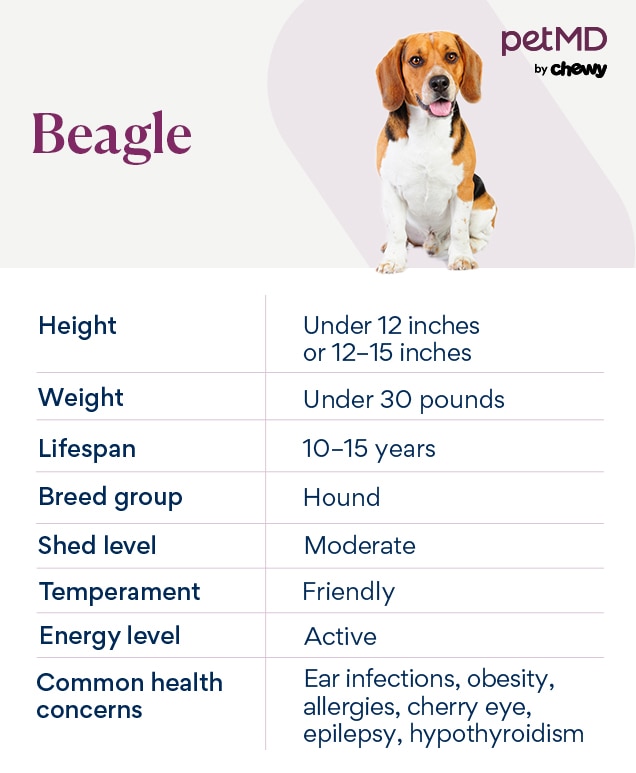
The Beagle's Hunting Heritage & Drive
To truly understand a Beagle’s personality, you have to understand where they came from. For generations, Beagles were bred to relentlessly follow scents, working cooperatively in packs to track down prey. This isn't just a historical footnote; it’s the foundation of many of their instinctive behaviors. Their incredible sense of smell isn’t a party trick; it's a deeply ingrained drive that dictates much of their attention.
That powerful scent drive explains why Beagles have a tendency to wander if given the opportunity. A captivating scent can easily override their obedience, leading them on an impromptu exploration. I once knew a Beagle named Winston who, during a weekend visit, managed to follow a rabbit scent right through a partially open gate and into a neighbor’s garden, causing a minor (and amusing) diplomatic incident. This illustrates the importance of secure fencing and careful supervision.
The pack mentality also contributes to their vocalizations. Baying, howling, and barking were essential for communication during a hunt, allowing the dogs to stay connected. While charming to some, this can be frustrating if not managed. The drive isn’t a "bad’ thing; it simply means owners need to be proactive in providing appropriate outlets for their Beagle"s natural instincts, such as scent work games and secure outdoor adventures.
Decoding Beagle Vocalizations
Beagles are not known for being quiet dogs. In fact, they’re quite vocal, and understanding why they’re making noise is crucial for a harmonious relationship. Their vocalizations aren’t random; they’re a form of communication, ranging from excited greetings to frustrated complaints. According to the AKC, their baying is a distinctive characteristic stemming from their hunting past.
There’s the classic baying, a long, drawn-out howl used to signal they’ve picked up a scent. Then there’s the more insistent howling, often a response to sirens or other high-pitched sounds. Barking can indicate excitement, alarm, or a desire for attention, while whimpering usually signals distress or anxiety. Learning to differentiate these sounds takes time and observation.
Living with a vocal Beagle in an apartment or close-knit neighborhood presents unique challenges. It’s essential to address excessive barking with training and enrichment. Providing plenty of mental stimulation and exercise can help reduce boredom-related vocalizations. It's also about being a considerate neighbor and proactively managing the situation.
Beagle Energy Levels: A Realistic Look
Despite their often-relaxed demeanor indoors, Beagles are surprisingly energetic dogs. They require a significant amount of daily exercise to stay happy and healthy. The image of a Beagle happily snoozing on the couch is accurate… after they’ve had their energy needs met. Don't fall for the myth that they're content to be couch potatoes.
The best kind of exercise for a Beagle incorporates both physical and mental stimulation. Long walks are great, but adding in scent work – letting them follow a trail or sniff out hidden treats – is even better. Playdates with other dogs, a good run in a secure area, or interactive games can also help burn off energy. A tired Beagle is a good Beagle, and it prevents destructive behaviors.
Insufficient exercise can lead to a whole host of problems, including excessive barking, digging, chewing, and general restlessness. Their energy levels also tend to decrease with age, but even senior Beagles need regular, moderate activity. According to Pooch and Mutt, consistent exercise is essential for maintaining a healthy weight and preventing obesity, which can be a concern for the breed.
Beagles and Families: A Good Fit?
Beagles are often marketed as excellent family dogs, and in many ways, they are. They’re generally good-natured, playful, and enjoy being around people. However, it’s important to be realistic about their interactions with children and other pets. They can form strong bonds with family members, but their boisterous nature requires careful management.
With young children, supervision is key. Beagles can be a bit rough during play, and a small child could be accidentally knocked over. Teaching children how to interact respectfully with the dog – no pulling ears or tails – is essential. Older children who understand boundaries can enjoy a wonderful companionship with a Beagle.
Compatibility with other pets varies. Beagles, with their hunting background, may chase cats, especially if they haven’t been raised together. Early socialization is crucial for helping them accept other dogs and animals. Introducing them gradually and providing positive reinforcement can increase the chances of a harmonious multi-pet household. The Britannica notes that proper socialization is vital for a well-adjusted Beagle.
Common Beagle Behavioral Quirks
Beagles are known for certain behavioral quirks that owners should be prepared for. Digging, chewing, counter surfing, and escaping are all relatively common. These aren’t signs of a "bad’ dog; they"re simply expressions of their natural instincts and unmet needs. Understanding the root cause is the first step to addressing the behavior.
Digging stems from their instinct to create cool resting spots and potentially unearth scents. Chewing is often a sign of boredom or teething, while counter surfing is driven by their incredible sense of smell and desire for tasty treats. Escaping is, predictably, linked to their scent drive and desire to explore.
The key is management and training. Provide designated digging areas, plenty of chew toys, secure food storage, and a securely fenced yard. Addressing boredom with enrichment activities and providing consistent training can also help curb these behaviors. I'm not sure if separation anxiety is more common in Beagles than other breeds, but it’s something to be aware of, and professional help may be needed in severe cases.
Training a Beagle: Patience is Key
Beagles are intelligent dogs, but they can be notoriously stubborn. Training requires patience, consistency, and a healthy dose of creativity. Traditional obedience training can be effective, but it’s important to make it engaging and rewarding for the Beagle. Positive reinforcement – using treats, praise, and toys – is far more effective than punishment.
Short training sessions (5-10 minutes) are ideal, as Beagles can lose interest quickly. Recall training is particularly important, given their tendency to wander. Start in a secure area and gradually increase the distractions. Scent-based training, utilizing their incredible sense of smell, can also be highly motivating.
Common training challenges include getting them to focus and maintaining their attention. Using high-value rewards and keeping the sessions fun can help. It’s also important to be consistent with commands and expectations. Remember, you’re working with their instincts, not against them.
Beagle Personality Variations: Mixes & Individuals
Beagle mixes – such as the Beagle Lab, Beagle Pitbull, or Beagle Shepherd – can exhibit a blend of personality traits from both parent breeds. A Beagle Lab might be more energetic and eager to please, while a Beagle Pitbull could be more protective. However, predicting the exact temperament of a mixed-breed dog is always challenging.
It’s crucial to remember that every dog is an individual, and genetics are only part of the story. Environmental factors, socialization, and training all play a significant role in shaping a dog’s personality. A Beagle mix raised in a loving and stimulating environment is likely to be well-adjusted, regardless of its genetic makeup.
Ultimately, the best way to get a sense of a dog’s personality is to meet them in person. Spend time interacting with the dog, observing their behavior, and talking to the shelter or rescue organization. You can find more information about specific Beagle mixes on other Pet Beagle articles. Don’t rely solely on breed stereotypes; focus on finding a dog whose personality complements your lifestyle.
Beagle Mix Personality Comparison
| Mix | Energy Level | Trainability | Independence | Vocalization |
|---|---|---|---|---|
| Beagle Lab | High | Medium | Medium | Medium to High |
| Beagle Pitbull | High | Medium | Medium | Medium |
| Beagle Shepherd | High | Medium | Medium to High | Medium |
| Beagle Beagle (Purebred) | Medium to High | Medium | Medium | High |
| Beagle Dachshund (Beagledachshund) | Medium | Medium | Medium | Medium |
| Beagle Poodle | Medium | High | Low to Medium | Medium |
Illustrative comparison based on the article research brief. Verify current pricing, limits, and product details in the official docs before relying on it.
No comments yet. Be the first to share your thoughts!