

Meet the Beaglebull: A Unique Blend
The Beaglebull, a mix of Beagle and Pitbull, is becoming popular. They're intelligent, energetic, and loyal, combining traits from both parents. The name might bring up strong feelings, especially about the Pitbull side, but understanding the mix helps appreciate what this dog offers.
Beagles have been scent hounds for centuries, bred for hunting in packs. Their keen sense of smell and determination made them invaluable. Pitbulls, a group including breeds like the American Pit Bull Terrier, originated from bull-baiting and farm work, needing strength and courage. Breeding these two together is recent, aiming for a medium-sized dog with a playful personality and strong family bond.
The trend of 'designer dogs' – intentional mixes of two purebreds – has grown over the last two decades. People like combining the best traits of two breeds, hoping to reduce genetic issues. The Beaglebull fits this trend, offering a companion for active people and families. But remember, a mixed breed doesn't guarantee a predictable outcome; each dog is unique.
Both parent breeds have strong appeal. Beagles are known for charm and manageable size. Pitbulls, when raised and socialized well, are affectionate and devoted. Approach the Beaglebull with an open mind, knowing responsible breeding and early socialization are key to a well-adjusted dog.
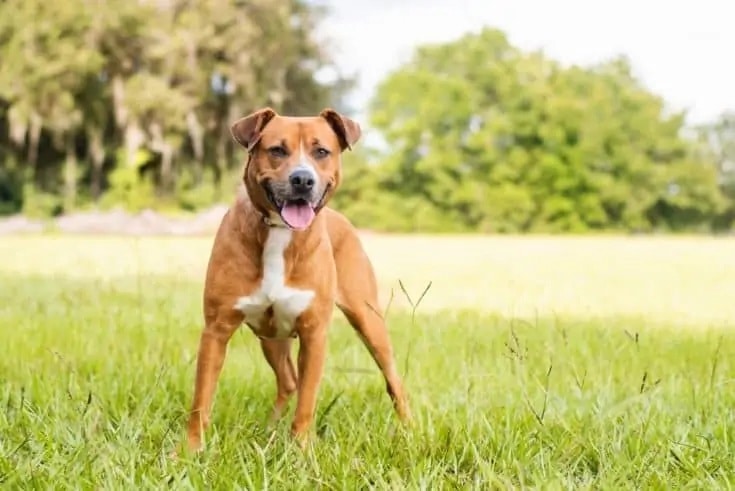
Decoding the Beaglebull Temperament
To understand a Beaglebull's temperament, look at the traits of Beagles and Pitbulls. Beagles, scent hounds, are driven by their noses. They are curious, independent, and follow smells, which can lead to wandering if not contained or trained. They're friendly and good-natured, but their focus on scent can make them seem aloof or stubborn.
Pitbulls unfortunately have a largely undeserved negative reputation. While their strength was used in fighting, modern Pitbulls can be loving, loyal, and playful companions. They're often called 'nanny dogs' for their gentleness with children, but responsible ownership and early socialization are essential. They can show dog aggression, especially if not socialized young, and have a strong prey drive.
When these traits combine in a Beaglebull, the dog can have a complex personality. Expect high energy, curiosity, and a desire to please, balanced by independence. The Beagle’s scent instincts might lead to wandering, while the Pitbull’s protective instincts could make them wary of strangers. How much each parent breed's traits show will vary a lot between dogs.
Temperament isn't guaranteed. Genetics play a role, but early socialization and consistent training are more influential. Expose a Beaglebull puppy to many people, places, and sounds from a young age. This helps them become well-adjusted and confident adults. Skipping socialization can worsen potential aggression or fearfulness.
Owners must be aware of potential dog aggression. Not all Beaglebulls show this, but the Pitbull lineage has a higher risk. The Beagle’s prey drive could also lead to chasing small animals. Careful management and training are essential to reduce these risks. A securely fenced yard is necessary, and leash training should be a priority.
- Early Socialization: Expose your Beaglebull to various people, places, and sounds.
- Consistent Training: Implement positive reinforcement methods.
- Secure Environment: Provide a securely fenced yard to prevent wandering.
Is Your Beagle Pitbull Mix More Beagle or Pitbull?
So, you've welcomed a Beagle Pitbull mix into your life – a wonderful combination of scent hound and powerful athleticism! But how do you decipher which parent breed’s personality is shining through? This quiz will help you understand your dog’s temperament and guide your training approach. Answer honestly to discover whether your pup leans more towards their Beagle or Pitbull side, or enjoys a balanced blend of both.
Physical Traits: What to Expect
Predicting a Beaglebull's physical traits is challenging due to their mixed heritage. They are generally medium-sized, weighing 30-60 pounds and standing 16-22 inches tall. Individual dogs can vary a lot depending on which parent breed they resemble more.
Coat type also varies. Beaglebulls often have a short, dense coat like a Pitbull, but some get the Beagle's longer, thicker coat. Colors vary widely, from the Beagle's tri-color (white, black, tan) to Pitbull colors like black, brindle, or fawn. Combinations are also possible.
Grooming needs are moderate. Beaglebulls generally shed, especially during seasonal changes. Brushing two to three times a week helps manage shedding and keeps their coat healthy. Bathe them only when they get dirty. Check their skin regularly for irritation or allergies, as both breeds can have skin issues.
Physical traits can lean towards either parent. A Beaglebull might have a Beagle's floppy ears and expressive eyes, or a Pitbull's muscular build and shorter muzzle. Some show a mix of these traits. Regardless of looks, regular vet checkups are crucial for their health.
Training a Beaglebull: Patience is Key
Training a Beaglebull needs patience, consistency, and understanding both parent breeds' tendencies. Beagles and Pitbulls can be stubborn, so forceful methods likely won't work. Positive reinforcement – rewarding good behavior with treats, praise, or toys – is the most successful approach.
Early socialization, as previously mentioned, is absolutely critical. Enroll your Beaglebull puppy in puppy classes to expose them to other dogs and people in a controlled environment. This helps them develop good social skills and reduces the risk of aggression or fearfulness. Consistent boundaries and clear expectations are also essential. Start training from a young age and be consistent with your commands.
One common training challenge with Beaglebulls is recall. Beagles are scent hounds and will often follow their noses, even if it means ignoring your commands. Using high-value rewards and practicing recall in a safe, enclosed area is crucial. Another potential challenge is reactivity, stemming from the Pitbull’s protective instincts. If your Beaglebull shows signs of aggression towards other dogs, seek guidance from a professional dog trainer.
Consistency is paramount. Everyone in the household should use the same commands and enforce the same rules. Avoid punishment-based training methods, as these can damage your relationship with your dog and lead to behavioral problems. Short, frequent training sessions are more effective than long, infrequent ones. Keep it fun and engaging for both you and your dog.
- Use positive reinforcement techniques.
- Start training early and be consistent.
- Enroll in puppy classes for socialization.
- Practice recall in a safe environment.
Health Concerns: What Owners Should Know
Beaglebulls, like all mixed breeds, can inherit health problems common to both parent breeds. Beagles are prone to conditions like hip dysplasia, glaucoma, cherry eye, and intervertebral disc disease. Pitbulls, on the other hand, are susceptible to hip dysplasia, skin allergies, heart conditions, and bloat (gastric dilatation-volvulus). Knowing these potential issues allows owners to be proactive about preventative care.
Hip dysplasia, a malformation of the hip joint, can lead to arthritis and lameness. Maintaining a healthy weight and providing moderate exercise can help manage this condition. Cherry eye, a prolapse of the gland of the third eyelid, is common in Beagles and often requires surgical correction. Skin allergies are prevalent in Pitbulls and can cause itching, redness, and inflammation. Identifying and avoiding allergens is key to managing this condition.
Bloat is a life-threatening condition where the stomach fills with gas and twists, cutting off blood supply. It’s more common in large, deep-chested breeds like Pitbulls. Feeding smaller, more frequent meals and avoiding vigorous exercise immediately before or after eating can help reduce the risk. Heart conditions, such as aortic stenosis, can also occur in Pitbulls and require veterinary attention.
Genetic testing can help identify potential health predispositions. Embark and Wisdom Panel are two reputable companies that offer canine genetic testing services. These tests can provide insights into your Beaglebull’s ancestry and potential health risks. Preventative care, including regular veterinary checkups, vaccinations, and parasite control, is essential for maintaining your dog’s health.
The average lifespan of a Beaglebull is typically between 10 and 14 years, although this can vary depending on their genetics, diet, and overall health. Be prepared for potential veterinary costs associated with managing any health conditions that may arise. Pet insurance can help offset these expenses.
- Hip Dysplasia: Maintain a healthy weight and provide moderate exercise.
- Cherry Eye: Monitor for prolapse of the third eyelid gland.
- Skin Allergies: Identify and avoid potential allergens.
- Bloat: Feed smaller, frequent meals and avoid exercise around mealtimes.
Potential Health Concerns in Beaglebulls
| Issue | Beagle Predisposition | Pitbull Predisposition | Combined Risk | Preventative Measures |
|---|---|---|---|---|
| Hip Dysplasia | Moderate | Moderate | High | Maintain a healthy weight, moderate exercise, consider joint supplements (consult veterinarian). |
| Allergies (Skin/Food) | Moderate to High | Moderate | High | High-quality diet, limited ingredient options, allergy testing (consult veterinarian). |
| Bloat (Gastric Dilatation-Volvulus) | Low | Moderate | Medium | Feed multiple smaller meals daily, avoid vigorous exercise around mealtimes, learn to recognize symptoms. |
| Heart Disease | Low | Moderate | Medium | Regular veterinary checkups, monitor for signs like coughing or fatigue. |
| Cherry Eye | Moderate | Low | Medium | Prompt veterinary attention if observed, surgical correction is often required. |
| Skin Issues | Moderate | Moderate | High | Regular grooming, monitoring for hot spots, appropriate bathing schedule. |
| Hypothyroidism | Moderate | Low | Medium | Annual thyroid testing, especially as the dog ages. |
Illustrative comparison based on the article research brief. Verify current pricing, limits, and product details in the official docs before relying on it.
Beaglebulls and Families: Are They a Good Fit?
A Beaglebull can be a wonderful addition to the right family, but it’s vital to consider whether their needs align with your lifestyle. They generally do well with children, especially when raised with them from a young age. However, due to their size and energy level, supervision is always recommended, particularly with young children.
Their compatibility with other pets depends on individual temperament and socialization. Early socialization with other dogs and animals is crucial. The Pitbull lineage can sometimes lead to dog aggression, so careful introductions and ongoing supervision are necessary. They may also have a strong prey drive, making it unsuitable to live with small animals like cats or rabbits without careful management.
Beaglebulls are energetic dogs and require a significant amount of exercise. Daily walks, runs, and playtime are essential to keep them physically and mentally stimulated. A fenced yard is highly recommended to provide a safe space for them to play. They thrive in active households where they can participate in outdoor activities with their families.
Potential liability is a concern due to the Pitbull component. Some cities and counties have breed-specific legislation (BSL) that restricts or prohibits ownership of Pitbull-type dogs. Before getting a Beaglebull, research your local laws and regulations. Responsible ownership, including proper training and containment, is crucial to minimizing any potential risks.
- Children: Supervision is recommended, especially with young children.
- Other Pets: Early socialization is crucial; monitor interactions carefully.
- Exercise: Daily walks, runs, and playtime are essential.
- Local Laws: Research breed-specific legislation in your area.
Finding a Beaglebull: Breeders vs. Rescue
If you’re considering adding a Beaglebull to your family, you have two primary options: purchasing from a breeder or adopting from a rescue organization. If you choose to go with a breeder, it’s essential to find a responsible one who prioritizes the health and temperament of their dogs. Look for breeders who conduct health testing on their breeding dogs and are transparent about any potential health concerns.
Red flags include breeders who always have puppies available, allow you to choose a puppy before they are eight weeks old, or don’t provide health records. A responsible breeder will ask you questions to ensure you are a good fit for one of their puppies. They will also be knowledgeable about the breed and willing to answer your questions.
Adopting a Beaglebull from a rescue organization is a rewarding experience. You'll be giving a deserving dog a second chance at a loving home. Beagle or Pitbull rescues sometimes have Beaglebull mixes available. You can also check with general-purpose dog rescues in your area. Rescue dogs may come with unknown histories, but rescue organizations often provide temperament assessments and medical care.
Ethical sourcing is paramount. Avoid supporting puppy mills or backyard breeders who prioritize profit over the well-being of their dogs. Whether you choose a breeder or a rescue, be prepared to provide a loving, responsible home for your Beaglebull for the duration of their life.



No comments yet. Be the first to share your thoughts!