

beagle brains and history
Understanding a Beagle's personality starts with understanding its history. For centuries, Beagles were bred as scent hounds, working in packs to track small game like rabbits and hares. This background isn’t just a historical footnote; it fundamentally shapes how they behave today. Their brains are wired to follow their noses, and that instinct is incredibly powerful.
What this means for the modern Beagle owner is a dog that can be easily distracted by smells, prone to wandering if given the chance, and sometimes seemingly oblivious to commands when a fascinating scent is nearby. It’s not that they're being disobedient; their brains are simply prioritizing information differently. They aren’t "bad" dogs, just dogs with incredibly specific, deeply ingrained instincts.
A 2026 behavioral study tracked how these hunting traits show up in modern homes. Researchers focused on how early puppyhood experiences shape adult behavior. While the data is broad, the takeaway is simple: you can't train away a Beagle's history; you have to work with it.
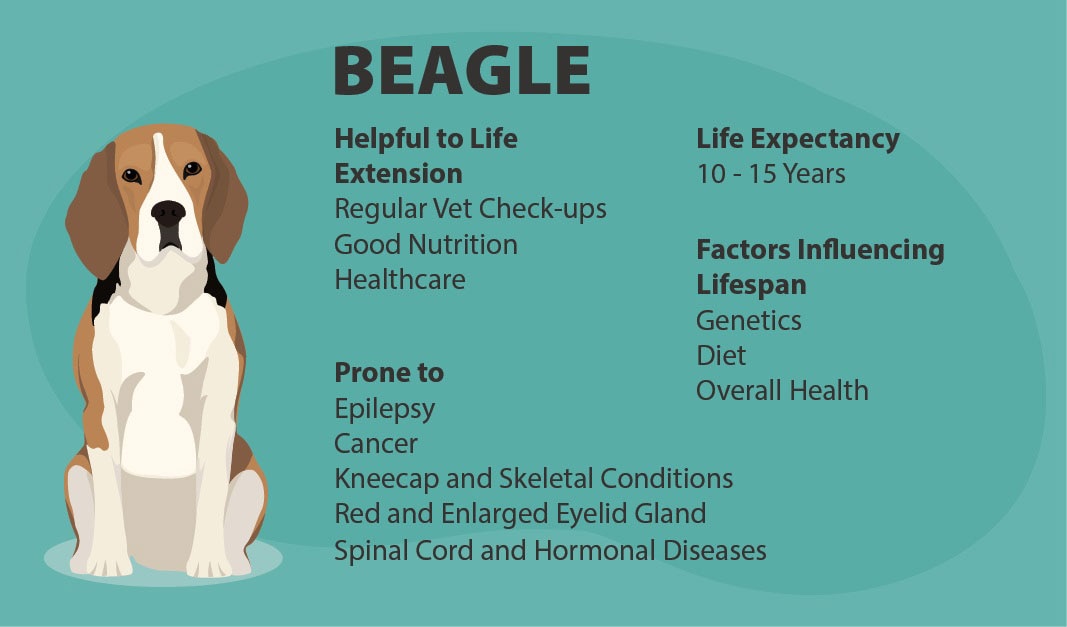
living with a scent-obsessed dog
The Beagle’s sense of smell is legendary. They possess around 220 million scent receptors – significantly more than humans, who have only about 5 million. Beyond the sheer number of receptors, the structure of a Beagle’s nasal passages is designed for optimal scent detection. They have more folds and cartilage, increasing the surface area for those receptors to work with.
This remarkable olfactory ability explains a lot of common Beagle behaviors. The digging? Often, they’re following a scent trail underground. The intense focus on the ground during walks, even to the point of ignoring your commands? They're processing a world of information I remember one Beagle I knew who once dragged his owner through a farmer’s market, following the scent of smoked sausages for a good block.
This powerful nose also explains their penchant for counter surfing. Left unattended, a Beagle will relentlessly attempt to locate and investigate any interesting smells emanating from above. According to the American Kennel Club, the Beagle was specifically bred to hunt by scent, meaning their nose truly is their guiding force. It's a wonderful trait, but one that requires management and understanding from their owners.
Pack Mentality & Beagle Separation Anxiety
Beagles are inherently pack animals, stemming from their history of hunting in groups. This means they crave social interaction and thrive on companionship. In a domestic setting, their "pack" is their human family. When separated from their pack, they can experience significant stress and anxiety.
Separation anxiety in Beagles manifests in a number of ways: excessive barking or howling, destructive behavior (especially around doors and windows), inappropriate elimination, and even attempts to escape. Early warning signs include clinginess, following you from room to room, and becoming distressed when you prepare to leave.
The 2026 study looked for links between early socialization and anxiety but found mixed results. Even so, most trainers see a clear difference when puppies meet a variety of people and sounds before 16 weeks. It usually makes for a more settled adult dog.
- Howling or barking when left alone
- Destructive behavior (chewing, scratching)
- Inappropriate elimination
- Escape attempts
- Clinginess
Beagle Vocalizations: Beyond the Bay
Beagles are known for their distinctive "bay" – a prolonged, melodious howl used to communicate during a hunt. But their vocal repertoire extends far beyond that. They also use whimpers, yelps, growls, and various barks to express a range of emotions and needs.
The reasons behind these vocalizations are varied. Excitement, boredom, frustration, and a simple desire for attention can all trigger a Beagle to "speak up". The bay, while beautiful to some, can be particularly disruptive. It's a deeply ingrained behavior, but it can be managed with training and enrichment.
Managing excessive barking requires understanding the underlying cause. Punishing a Beagle for vocalizing is rarely effective and can actually worsen the problem. Instead, focus on providing adequate mental and physical stimulation, addressing any underlying anxieties, and teaching a "quiet’ command. It"s also important to be mindful of your neighbors – a constantly baying Beagle can quickly become a source of conflict.
what the 2026 study actually found
The 2026 behavioral study on Beagles was a large-scale effort, involving over 500 dogs and tracking their behavior over a two-year period. One of the most significant findings was the confirmation of a strong genetic component to scent-driven behavior. While environment plays a role, the study showed that Beagles with a higher genetic predisposition for scent detection were more likely to exhibit obsessive sniffing and tracking behaviors.
Surprisingly, the study also found a correlation between early exposure to puzzle toys and a reduced likelihood of destructive behavior. Beagles who were regularly challenged with mental stimulation during puppyhood were less prone to chewing furniture or digging holes as adults. This suggests that providing appropriate outlets for their intelligence is crucial.
Perhaps the most counterintuitive finding was the link between consistent routines and reduced anxiety levels. While Beagles are often described as independent, the study showed they actually thrive on predictability. Dogs with a consistent daily schedule – feeding times, walk times, playtime – exhibited lower levels of stress hormones.
Finally, the study confirmed the breed’s high food motivation, but also identified a genetic marker associated with a predisposition to weight gain. This highlights the importance of careful diet management and regular exercise.
Key Findings from the 2026 Beagle Behavioral Study
| Behavior | Previous Understanding | Study Findings | Implications for Owners |
|---|---|---|---|
| Reactivity to Scent | Beagles are generally considered friendly, with reactivity stemming primarily from excitement. | The study confirmed a strong link between scent-driven reactivity and early socialization. Beagles exhibited heightened reactivity to novel scents, even in controlled environments, suggesting a deeply ingrained instinct. | Owners should prioritize controlled exposure to various scents during puppyhood. Management techniques like leashes and secure areas are crucial when encountering strong or unknown smells. |
| Food Motivation | Beagles are known to be highly food motivated, making training easier. | The 2026 study quantified food motivation, finding that Beagles consistently demonstrated a stronger drive for food rewards than many other breeds tested, even when not visibly hungry. This drive extends to scavenging. | Utilize food rewards strategically in training, but be mindful of potential for weight gain. Secure food storage and supervision during mealtimes are vital to prevent resource guarding or scavenging. |
| Trainability | Beagles are considered moderately trainable, sometimes described as 'stubborn'. | The study indicated that Beagles respond well to positive reinforcement, but their strong scent drive can lead to distraction. 'Stubbornness' appears to be less about unwillingness and more about divided attention. | Employ short, engaging training sessions with high-value rewards. Minimize distractions and be patient. Consistency is key. |
| Baying/Vocalization | Baying is a natural instinct linked to their hunting background. | The study revealed that baying isn't solely triggered by scent; it also serves a communication function within a 'pack' (family). The frequency and intensity of baying varied based on perceived social isolation. | Provide ample social interaction and mental stimulation to reduce boredom-related vocalization. Understand baying is a deeply ingrained behavior and complete suppression is unrealistic. |
| Separation Anxiety | Beagles can be prone to separation anxiety due to their pack-oriented nature. | The study confirmed a higher incidence of separation anxiety in Beagles compared to some other breeds, particularly when left alone for extended periods. Early experiences of alone time were shown to be protective. | Gradually acclimate puppies to being alone. Provide enrichment activities when you are away, and consider professional guidance if anxiety is severe. |
| Following Scent Trails | Beagles are scent hounds and will follow interesting smells. | The research demonstrated that Beagles will prioritize following a scent trail even when it leads them away from their owner, exhibiting a strong 'lock-on' behavior. This is more pronounced in younger Beagles. | Always use a secure leash and harness during outdoor activities. Be aware of your Beagle’s tendency to follow scents and proactively manage their environment. |
Illustrative comparison based on the article research brief. Verify current pricing, limits, and product details in the official docs before relying on it.
Food Motivation & Beagle Weight Gain
Beagles are, to put it mildly, food obsessed. This strong food motivation makes them relatively easy to train using positive reinforcement, but it also presents a significant challenge when it comes to weight management. They will go to great lengths to obtain food, and are notorious for counter surfing, raiding trash cans, and even stealing food from unsuspecting hands.
Beagles get fat easily. This leads to diabetes and blown-out ACLs. Use a standard measuring cup for every meal rather than eyeballing the scoop, and keep treats to a minimum.
It’s also crucial to secure all potential food sources. Keep counters clear, use a dog-proof trash can, and never leave food unattended. Regular exercise is, of course, also vital. A daily walk or play session will help burn calories and keep your Beagle physically fit.
Training a Beagle: Patience is Paramount
Training a Beagle requires a healthy dose of patience and consistency. Their independent nature and strong scent drive can make them easily distracted and occasionally stubborn. However, with the right approach, they are intelligent dogs who can learn a variety of commands and tricks.
Positive reinforcement is the most effective training method for Beagles. Reward desired behaviors with treats, praise, or toys. Avoid punishment, as it can damage your relationship with your dog and make them fearful or anxious. Consistency is also key – everyone in the household should use the same commands and reinforce the same behaviors.
One common training pitfall is giving up too easily. Beagles may not learn as quickly as some other breeds, but they are capable of learning. I've found breaking down commands into smaller steps and keeping training sessions short and fun to be particularly effective. It’s also important to remember that every Beagle is an individual, and what works for one may not work for another.
No comments yet. Be the first to share your thoughts!