

Set up a secure environment
Beagles are scent hounds first and foremost. Their noses lead them, and if they catch a compelling trail, they will follow it anywhere. This instinct makes escape a constant risk. A Beagle doesn't usually run away out of malice; they run away because the smell of a squirrel, a dropped sandwich, or another dog is too strong to ignore. If you don't secure your yard, your Beagle will find the gap in the fence, dig under it, or jump over it.
To keep them safe, your fencing must be at least four feet high, which is the minimum for most Beagles, though six feet is safer for determined jumpers. Check for gaps at the bottom, as they are expert diggers. Gates should have double-latch mechanisms because Beagles are clever enough to figure out simple latches. Never let a Beagle off-leash in an unfenced area, no matter how well-trained they are. Their drive to follow a scent will override any recall command.
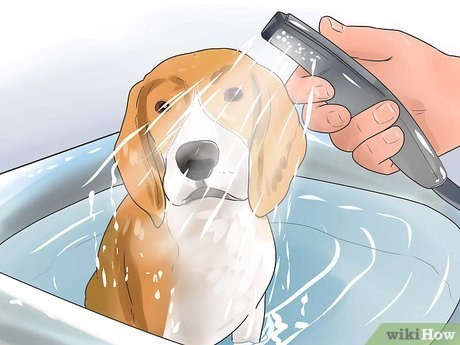
While securing the outside is critical, the inside of your home needs equal attention. Beagles are curious and food-motivated, which makes them prone to eating things that aren't food. Keep trash cans locked or inside cabinets. Secure any toxic plants, medications, or small objects that could be swallowed. A Beagle's nose will find the one thing in your house that could make them sick.
Establishing these boundaries early creates a safe space for your Beagle to explore without constant supervision. Once the environment is secure, you can focus on the daily routines that keep them healthy and happy.
Manage their appetite and weight
Beagles have a genetic predisposition to gain weight rapidly. Their history as hunting dogs means they are wired to seek out high-calorie food sources, making them prone to obesity if their diet isn't strictly managed. Weight management is the single most important health factor for this breed, directly impacting their lifespan and joint health.
To keep your Beagle healthy, you must control portions and choose the right food. Standard dog foods often lack the protein density needed to keep a scent hound satisfied, leading to begging and overeating. Switching to a weight-management formula can help regulate their intake while keeping them full.
The table below compares standard dog food with weight-management formulas to help you make an informed choice.
| Feature | Standard Dog Food | Weight-Management Formula |
|---|---|---|
| Protein Content | Lower (20-22%) | Higher (25-30%) |
| Fat Content | Higher (10-15%) | Lower (5-9%) |
| Fiber Levels | Moderate | Higher (for satiety) |
| Calorie Density | Higher | Lower (volume eating) |
Beagles get fat extremely easily, as noted by experienced owners and breed experts. A strict diet is non-negotiable. Measure every meal using a standard cup, not a scoop, and limit treats to less than 10% of their daily caloric intake. Use low-calorie options like green beans or carrots to satisfy their urge to chew without adding excess weight.
Exercise is equally critical. Because they are scent hounds, mental stimulation through sniffing games can be as tiring as physical running. Combine daily walks with scent work to burn calories and keep their minds engaged. Regular vet check-ups will help you monitor their body condition score and adjust their diet as needed.
Handle shedding and ear care
Beagles have a short, dense double coat that sheds moderately year-round and heavily during seasonal changes. Regular grooming is essential to manage loose hair and maintain skin health. Additionally, their floppy ears create a warm, dark environment prone to infections, requiring consistent cleaning.

Use a medium-bristle brush or rubber hound glove once a week to remove loose undercoat. During shedding seasons, increase frequency to daily. This distributes natural oils and reduces shedding around your home.

Gently wipe the inside of the ear flap with a cotton ball dampened with a vet-approved ear cleaner. Never insert anything into the ear canal. Check for redness, odor, or dark discharge, which indicate infection.

Trim nails every two to three weeks if they click on the floor. After walks, check paw pads for debris, cuts, or burrs, especially if you walk on rough terrain.
Meet their exercise needs
Their brains are wired to track smells rather than fetch tennis balls. If you treat them like typical sporting dogs, you will struggle to keep their attention. The most effective way to channel their energy is to engage their noses. A tired beagle is a happy beagle, but mental fatigue from scent work is just as important as physical distance covered.
Start every walk with a "sniffari." Instead of walking at a brisk pace, let your beagle lead the way for the first ten minutes. Allow them to stop and investigate every fire hydrant, tree root, and patch of grass. This satisfies their primary instinct and calms their nervous system before you ask for structured obedience.
Once the initial sniffing phase is complete, transition to structured games. Hide treats in your yard or use a snuffle mat indoors on rainy days. These activities burn mental energy without requiring a long leash walk. Consistent mental stimulation prevents the boredom that leads to destructive chewing or excessive barking.
Be aware that this high drive makes weight management critical. Because beagles are food-motivated, they will eat until they are ill if given the chance. Pair their exercise routine with strict portion control. A healthy weight reduces stress on their joints and heart, ensuring they stay active and pain-free for years to come.
Addressing Separation Anxiety
Beagles are scent hounds bred to work in packs, which means they thrive on companionship. When left alone, that deep-seated instinct to stay with the pack can trigger severe separation anxiety. Without proper management, this stress often manifests as destructive chewing, excessive barking, or house soiling. Understanding that this behavior stems from their nature—not malice—is the first step toward fixing it.
To mitigate these issues, you need to build independence gradually. Start by leaving your beagle alone for very short periods, just a few minutes, and slowly increase the duration over weeks. Avoid making departures and arrivals emotional events; keep them low-key to prevent reinforcing their anxiety. Providing mental stimulation is also critical. A snuffle mat or a frozen Kong filled with peanut butter can occupy their nose and mind for long stretches, tiring them out mentally while you are away.
Consistency is key. If you give in to their whining or crying, you teach them that noise equals attention. Instead, reward calm behavior when you return. If the anxiety is severe or destructive, consult a veterinarian or a certified behaviorist to rule out medical causes and develop a structured desensitization plan.
Common beagle care: what to check next
Addressing the most frequent concerns helps owners understand the unique challenges of this scent hound. Understanding their specific behavioral and physical needs is essential for a happy, healthy life together.
Beagle Care Checklist
Managing a scent hound requires consistency. Their drive to follow a nose often overrides obedience, making routine the backbone of their happiness. Weight management is the single most important health factor; Beagles gain weight easily, so strict portion control and daily exercise are non-negotiable.
Use this checklist to track daily and weekly tasks. Keeping a visual log helps prevent the "just one more treat" trap that leads to obesity.
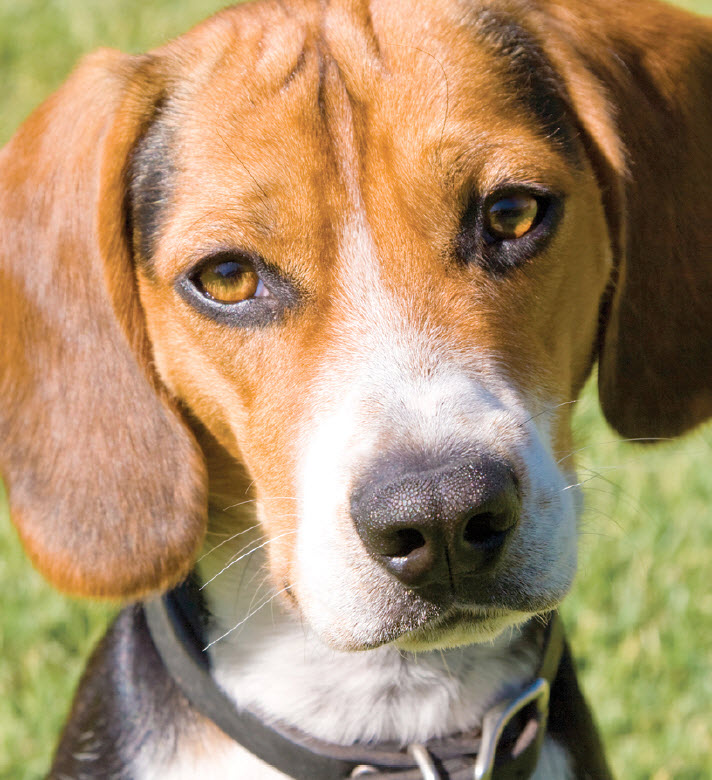
Daily Tasks
- Feed measured meals: Avoid free-feeding. Use a cup to measure kibble and limit treats to 10% of daily calories.
- Two walks minimum: Provide at least 60 minutes of physical activity. Sniffari walks satisfy their nose but still count as exercise.
- Check paws and ears: Inspect for debris after outdoor play. Clean ears weekly to prevent infections common in floppy-eared breeds.
Weekly Tasks
- Brush coat: Use a medium-bristle brush or hound glove to remove loose hair and distribute skin oils.
- Trim nails: Overgrown nails alter gait and cause joint pain. Trim if you hear clicking on hard floors.
- Teeth brushing: Aim for three times a week to prevent periodontal disease, which affects most dogs by age three.
No comments yet. Be the first to share your thoughts!