

Start with a beagle-proof home
Before bringing your Pet Beagle home, treat your living space as a containment zone. Beagles are scent hounds with a singular focus: follow the nose. This instinct overrides obedience training the moment a compelling smell appears. A secure environment is not just about comfort; it is the primary safety net for a dog that will not hesitate to bolt if it catches a scent trail.
Begin by auditing your yard. Beagles are notorious escape artists who combine digging prowess with climbing ability. Ensure fences are at least four feet high, but remember that height alone is insufficient if the base is loose. Bury hardware cloth or extend the fence inward at the bottom to prevent digging under. Check for gaps in gates or loose boards that a determined hound could exploit.
Inside the house, secure the perimeter by managing access to open doors and windows. Beagles often slip out through any unguarded entry point. Install baby gates or sturdy barriers to restrict access to rooms with potential hazards, such as kitchens with toxic cleaners or bathrooms with open toilet lids. Keep all trash cans locked or in closed cabinets, as the smell of food is a powerful lure.
Remove or secure small objects that could be swallowed. Beagles explore the world with their mouths and often ingest items like children’s toys, socks, or electrical cords. These items pose choking hazards or cause intestinal blockages. Provide a designated safe zone with a comfortable bed and durable chew toys to redirect their oral fixation away from household items.

Warning: Beagles are escape artists. Ensure fences are at least 4 feet high and buried or extended to prevent digging.
Once the physical environment is secure, shift your attention to routine. Consistency reduces anxiety and reinforces good behavior. Establish fixed times for feeding, potty breaks, and exercise. A tired Beagle is a well-behaved Beagle, so incorporate scent work or sniffing walks into their daily routine to satisfy their natural instincts.
Feed a measured diet to prevent obesity
Beagles are notorious for their food motivation. This breed will happily eat until they are completely full, often ignoring their own body's satiety signals. Without strict portion control, a Pet Beagle can easily gain excess weight, which puts dangerous stress on their joints and heart. Managing their diet is not just about health; it is about survival in a world full of treats.
The most effective strategy is to stop free-feeding. Instead, measure every meal using a standard measuring cup or a kitchen scale. Divide the daily calorie requirement into two distinct meals rather than leaving a bowl out all day. This routine helps you monitor exactly how much your dog is eating and makes it easier to spot changes in appetite that might indicate illness.
When choosing food, consider the difference between standard maintenance kibble and high-fiber weight management formulas. High-fiber diets can help your beagle feel fuller for longer, reducing begging behavior. The table below compares the general characteristics of these two common approaches to help you decide what fits your dog's needs.
| Feature | Standard Kibble | Weight Management Formula | Best For |
|---|---|---|---|
| Calorie Density | Higher | Lower | Highly active dogs |
| Fiber Content | Moderate | High | Prone-to-obesity breeds |
| Satiety Duration | Shorter | Longer | Food-motivated pets |
| Cost | Lower | Higher | Budget-conscious owners |
Always adjust portions based on your beagle's activity level and body condition score. If you cannot feel their ribs easily under a thin layer of fat, they are likely too heavy. Consult your veterinarian to determine the exact calorie count your Pet Beagle needs, as individual metabolic rates vary significantly even within the same breed.
Brush weekly to manage shedding
Beagles have a dense, weather-resistant double coat that sheds year-round, with heavier "blowing" seasons in spring and fall. To keep your Pet Beagle comfortable and your home cleaner, a consistent weekly brushing routine is essential. This practice removes loose undercoat before it ends up on your furniture and distributes natural skin oils to maintain coat health.
Start by using a slicker brush or an undercoat rake. These tools are effective at penetrating the dense topcoat to reach the soft, fluffy underlayer where loose hair accumulates. Brush in the direction of hair growth, using gentle but firm strokes. Pay extra attention to areas prone to matting, such as behind the ears, under the legs, and around the tail base. During heavy shedding seasons, you may need to brush daily to keep up with the volume of loose fur.
After brushing, wipe your dog down with a damp rubber grooming mitt or a slightly damp microfiber cloth. This step captures the fine, dust-like hairs that the brush might miss and helps remove any surface dirt or allergens. It also provides a soothing massage that many beagles enjoy, reinforcing the bond during grooming sessions. Regular brushing not only controls shedding but also allows you to check for skin issues, ticks, or lumps early.

Select a slicker brush for general detangling and an undercoat rake for removing loose fur from the dense double coat. These tools work together to prevent mats and reduce shedding effectively.
Use gentle but firm strokes following the hair's natural direction. Focus on high-shed areas like the neck, back, and tail base to loosen trapped undercoat without irritating the skin.
Finish by wiping the coat with a damp rubber mitt or microfiber cloth. This captures fine dust and loose hairs that brushing missed, leaving the coat smooth and clean.
Channel energy with scent games
Beagles are scent hounds bred to track for miles. Without an outlet for this instinct, they often turn to destructive chewing or excessive barking. Providing structured mental stimulation is just as important as physical exercise for a Pet Beagle. Scent work transforms their natural hunting drive into a focused, calming activity.
1. The "Find It" Basic Game
Start with a low-distraction environment. Hold a high-value treat in your hand so your beagle can see and smell it. Let them sniff your closed fist, then open your hand to reveal the reward. Once they understand the concept, hide the treat behind your back or in a nearby corner. Use a clear cue like "Find it" and point toward the hiding spot. This builds the association between the command and the search behavior.
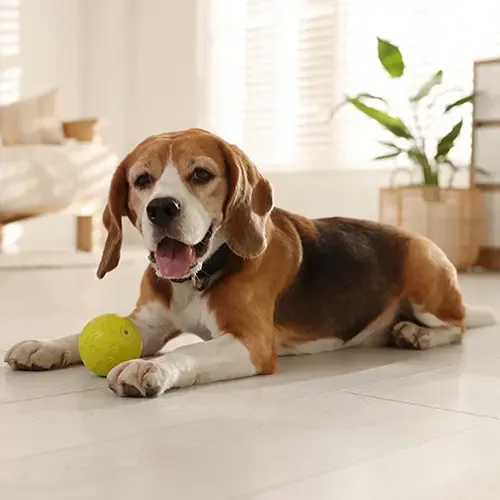
2. Increasing Difficulty
As your dog masters the basic game, increase the challenge. Hide treats in multiple locations around the room while your beagle waits in a "stay" position. Start with obvious spots like under a chair leg, then progress to more complex areas like inside an open drawer or under a blanket. This forces the dog to use their nose to solve puzzles rather than relying on sight. Short, frequent sessions of five to ten minutes are more effective than one long session.
3. Outdoor Scent Trails
Take the game outside for a more robust workout. Choose a grassy area and let your beagle sniff around for a moment to reset their nose. Drop a treat or a scented toy in the grass, then call your dog over. Guide them to the scent by pointing or using your cue. Gradually increase the distance between you and the hidden item. This mimics the tracking work beagles were originally bred for, providing deep mental satisfaction.
4. Commercial Scent Kits
For variety, consider purchasing a commercial scent detection kit. These sets often include different scent containers and reward pouches. They provide a structured curriculum that scales in difficulty. This is particularly useful for owners who want to track their beagle's progress systematically. Many kits also offer online support communities for troubleshooting specific challenges.
Common Mistakes to Avoid
- Moving too fast: If your beagle fails to find the treat three times in a row, make the task easier. Frustration kills the game.
- Using low-value rewards: Scent work is hard mental labor. Use strong-smelling treats like cheese, hot dogs, or liver to keep motivation high.
- Giving hints: Avoid pointing or looking at the treat. This teaches your beagle to follow your gaze rather than their nose.
YouTube embeds can be helpful for visual learners, but beagles are independent thinkers. Focus on consistency and patience. Over time, you will see a calmer, more confident companion who is less likely to engage in nuisance behaviors.
Handle stubbornness with positive reinforcement
Beagles are scent hounds bred to track prey independently, which often translates to a stubborn streak in the home. This isn't defiance; it's a strong prey drive and high distractibility. Training a Pet Beagle requires patience and consistency, focusing on positive reinforcement rather than correction. Harsh methods will shut down their willingness to learn.
Start with short, high-energy sessions. Beagles have limited attention spans for repetitive tasks. Keep training sessions under five minutes and end on a positive note. Use high-value treats like small pieces of cheese or hot dogs to maintain focus.
1. Establish a clear cue
Choose one simple command, such as "come" or "leave it." Say the cue clearly and once. If the Beagle ignores you, do not repeat the word. Instead, use a leash to guide them toward the desired behavior or use a lure. Reward immediately when they comply.
2. Reward the right moment
Timing is everything. The treat must arrive within two seconds of the correct behavior. If you wait, the Beagle may associate the reward with looking at you or standing still, rather than the specific action you requested. Use a clicker if you struggle with timing.
3. Make it a game
Beagles love to hunt. Turn commands into scent games. Hide treats in the grass and ask for a "find it." This channels their instinctual drive into a structured activity. It builds confidence and strengthens your bond without feeling like work.
4. Stay consistent
Everyone in the household must use the same cues and rules. If one person allows jumping on the couch and another does not, the Beagle will become confused and revert to stubborn behavior. Consistency reduces anxiety and speeds up learning.
Common beagle care: what to check next
Beagles are merry, companionable dogs that thrive as family pets, but their specific needs require consistent attention. Understanding their dietary restrictions, social behaviors, and health risks helps prevent common ownership mistakes.
No comments yet. Be the first to share your thoughts!