

Understand the beagle temperament
Beagles are scent hounds bred for hunting, which means their nose often drives their decisions more than their desire to please. They are described as "merry" by fanciers, a trait that manifests as high energy, loud vocalizations, and an intense curiosity about their surroundings. This isn't stubbornness; it's biology. When a Beagle catches a scent, the world narrows down to that single trail, making recall difficult without significant training and patience.

Despite their independence, Beagles are pack-oriented and deeply companionable. They thrive on human interaction and can suffer from separation anxiety if left alone for long periods. Their merry nature makes them excellent family dogs, but their loud bay and tendency to follow their nose require a secure environment. Understanding this balance between their joyful personality and their instinctual drives is the first step in successful ownership.
Obedience training for this breed requires positive reinforcement and consistency. They are intelligent but easily distracted by smells, so short, engaging sessions work best. While they may not be the top obedience superstars, their loving and lovable nature makes them wonderful companions for those who appreciate a dog with a strong personality and endless enthusiasm.
Manage the double coat shedding
Beagles are not low-shedding dogs. They possess a double coat designed to protect them from weather, which means they blow their undercoat heavily throughout the year. You will find fur on your clothes, furniture, and floors regardless of the season. The goal is not to stop the shedding entirely, but to manage it through a consistent grooming routine that removes loose hair before it spreads.
A weekly de-shedding session keeps the coat healthy and reduces the amount of hair in your home. This routine involves brushing out the dead undercoat, bathing with a specialized shampoo if needed, and checking for skin issues. Consistency is more important than intensity; ten minutes a day is better than one hour once a month.
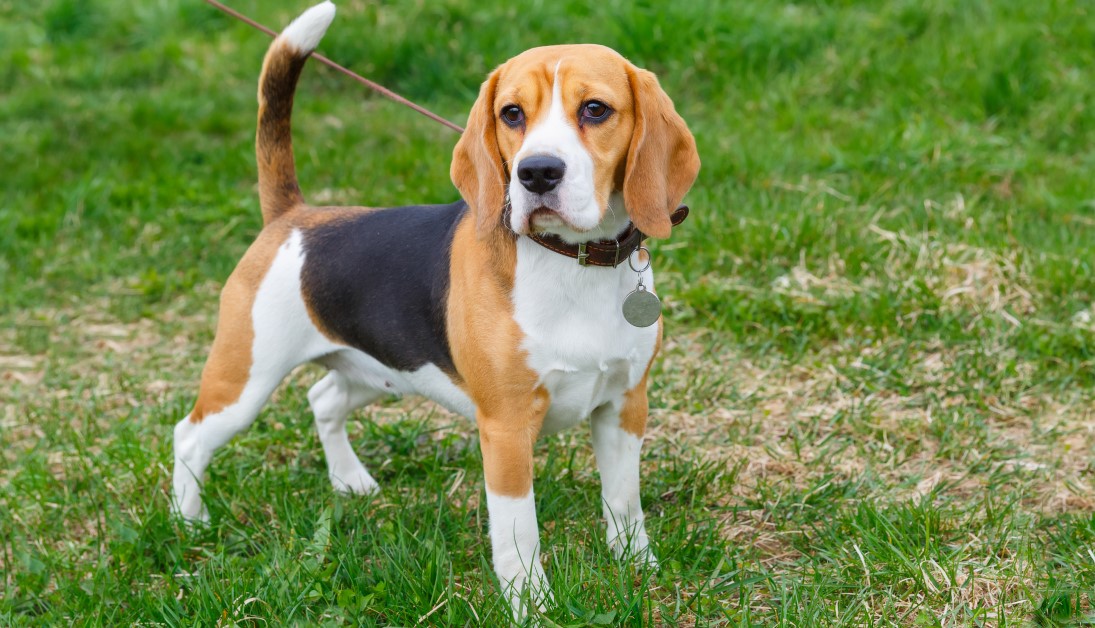
Start with a slicker brush or an undercoat rake. These tools reach through the topcoat to grab the loose hair trapped underneath. Brush in the direction of hair growth, using short, gentle strokes to avoid irritating the skin. Focus on high-shedding areas like the back, sides, and tail. You will see large clumps of gray or white hair come away; this is the dead undercoat that would otherwise fall out on your rugs.
For thicker patches, switch to a de-shedding tool like a Furminator. These tools have a fine metal edge that cuts through the dense undercoat without cutting the topcoat. Use light pressure and glide the tool along the body. Do not press hard, as this can damage the skin or cut the guard hairs. This step is particularly effective during seasonal changes when the beagle blows coat heavily.
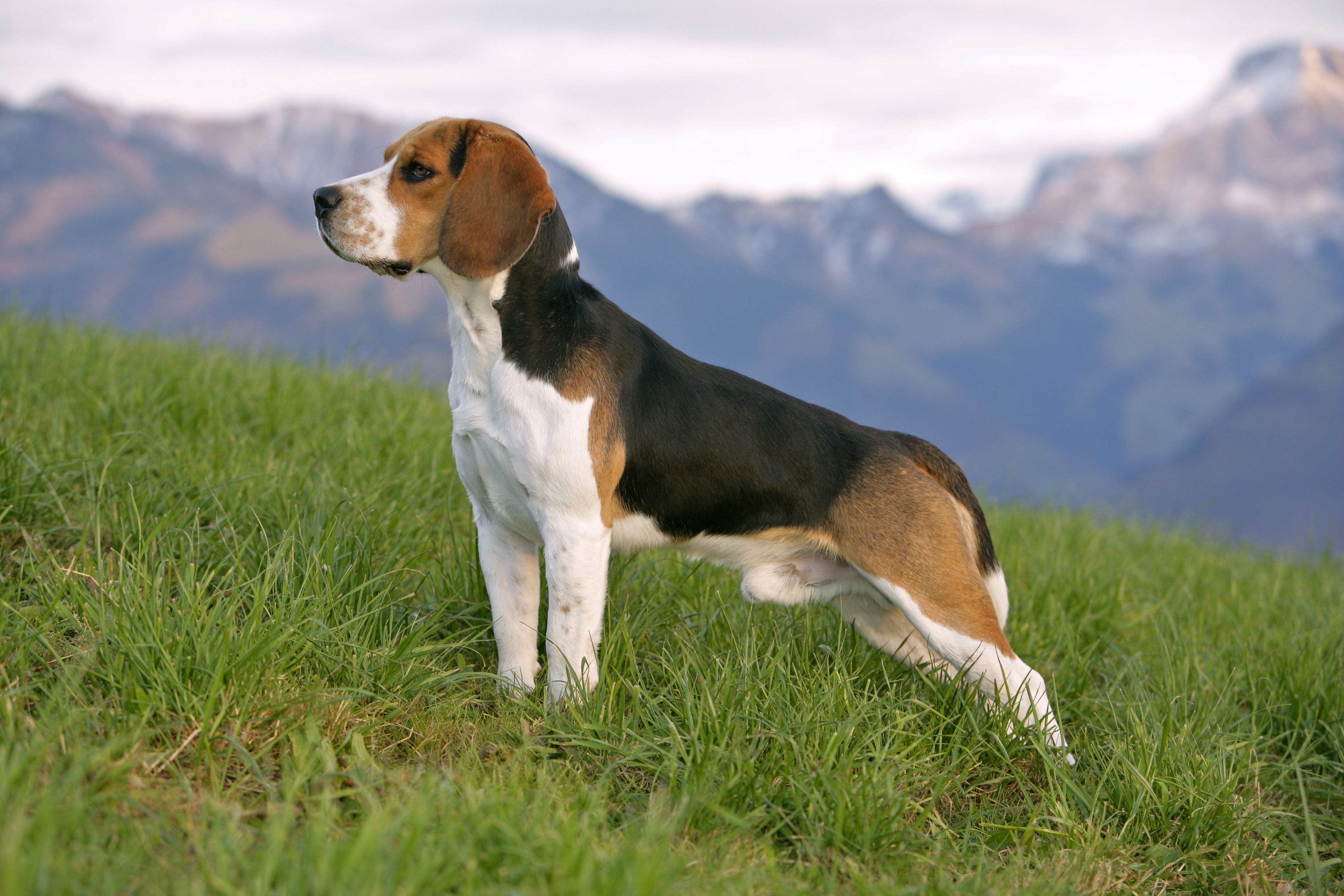
Bathe your beagle every four to six weeks using a gentle, moisturizing dog shampoo. Dry skin can lead to excessive shedding and itching. Apply the shampoo thoroughly, massaging it into the coat to loosen dead hair. Rinse completely, as leftover residue can irritate the skin. After the bath, use a grooming mitt or damp towel to wipe away the remaining loose hair while the coat is still wet. This removes hair that the brush missed and distributes natural oils.
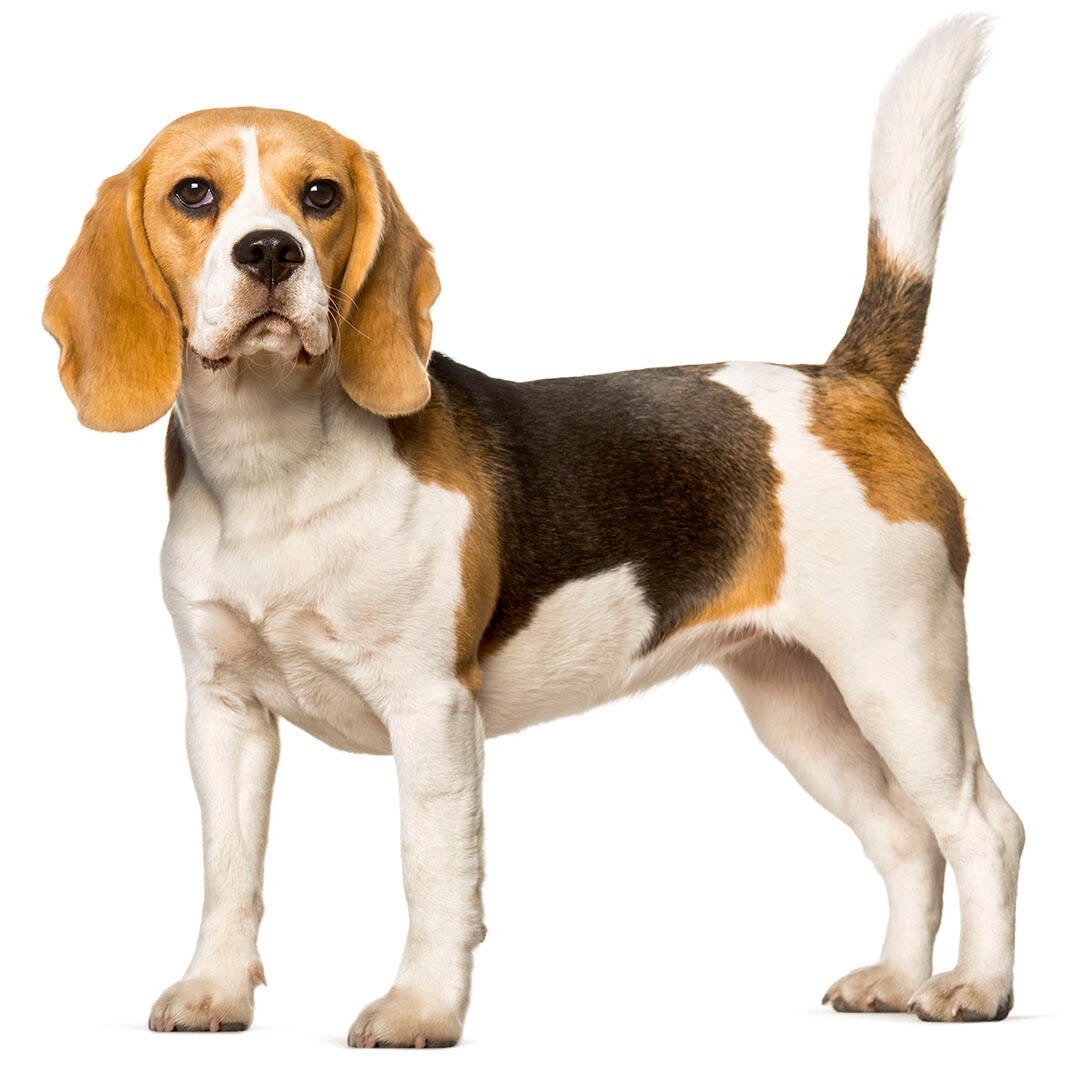
While grooming, inspect the skin for redness, bumps, or parasites. Beagles have long, floppy ears that trap moisture and debris, making them prone to infections. Check inside the ears for odor or dark discharge. Healthy skin supports a healthy coat; if you notice excessive scratching or bald patches, consult a veterinarian. Regular checks during grooming sessions help catch problems early before they worsen.
Choose a diet for weight control
Beagles are notorious for their bottomless pits of stomachs. This scent hound breed was originally developed to hunt hare, meaning their instinct is to follow their nose and eat whatever they find. In a modern home, that instinct translates to begging, scavenging, and rapid weight gain. Because Beagles are muscular and solid dogs, excess fat puts dangerous strain on their joints and spine.
To keep your Beagle healthy, you need to decide between dry kibble and wet food, or a combination of both. Each option has distinct trade-offs regarding calorie density, dental health, and palatability. Use the comparison below to see which format fits your routine and your dog's specific needs.
| Feature | Dry Kibble | Wet Food | Combined Approach |
|---|
No comments yet. Be the first to share your thoughts!