

Understand your beagle's personality
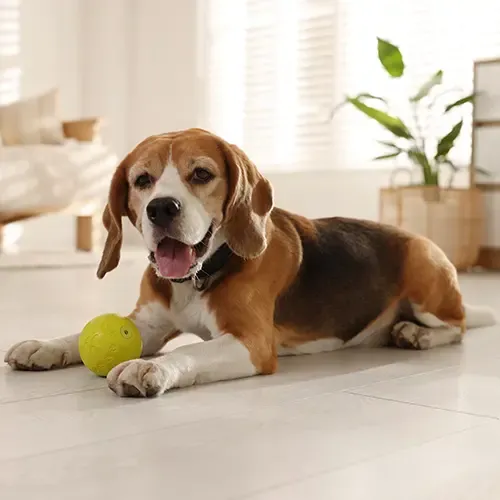
A Pet Beagle is not a lap dog; it is a working scent hound with a merry disposition and an independent streak. Bred to hunt rabbits in packs, this breed combines high energy with a strong social drive. They are loving and companionable, making them excellent family dogs, but their instincts often override their desire to please. Understanding this duality is the first step in successful ownership.
Their most defining trait is their nose. A Beagle will prioritize scent over commands. If a compelling odor catches their attention, they may ignore your recall entirely. This is not stubbornness but biology. Their sense of smell is 10,000 times more sensitive than a human's, turning every walk into a complex puzzle they must solve. This instinct means they are prone to wandering if not securely contained.

Socially, Beagles thrive in groups. They were bred to hunt in packs and often struggle with isolation. A solitary Beagle may become bored, leading to destructive behaviors like digging or excessive baying. They are happiest when they have a companion, whether that is another dog or an engaged owner who provides constant interaction. Their vocal nature is another hallmark; they communicate through barks, howls, and their signature "bay," which can be loud and frequent.
This combination of scent-driven focus and social need means they require structured environments. They are not suited for owners who expect a quiet, independent pet. Instead, they reward those who provide mental stimulation, secure exercise, and consistent social engagement. Their merry temperament makes them resilient and joyful, but their working heritage demands respect for their instincts.
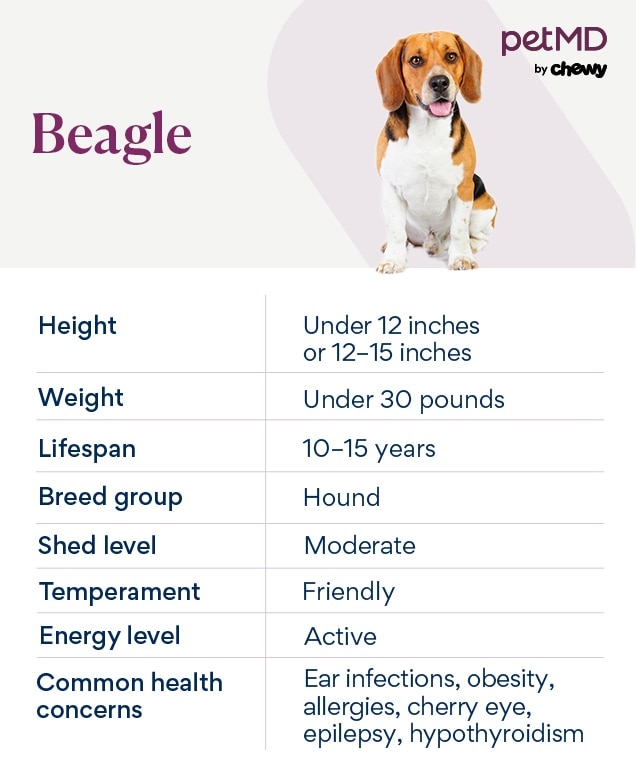
Feed a measured diet to prevent obesity
Care for a Pet Beagle works best as a clear sequence: define the constraint, compare the realistic options, test the tradeoff, and choose the path with the fewest hidden costs. That order keeps the advice usable instead of decorative. After each step, pause long enough to check whether the recommendation still fits the reader's actual situation. If it depends on perfect timing, unusual access, or a best-case budget, include a simpler fallback.

Manage shedding with regular brushing
Beagles carry a dense, weather-resistant double coat that sheds year-round, with heavier "blowing" cycles in spring and fall. Without a consistent grooming routine, loose hair accumulates in your home and can mat against the skin, leading to irritation or hot spots. Brushing removes dead undercoat before it falls out, keeping your Pet Beagle comfortable and your furniture cleaner.
Use a slicker brush or an undercoat rake to reach the dense lower layer. Work in sections, following the direction of hair growth to avoid pulling. Focus on high-shed zones like the back, sides, and tail base. During peak shedding months, aim for daily sessions of five to ten minutes. On non-shedding days, a weekly pass is sufficient to maintain coat health.
Always finish by checking the skin for redness or lumps. If you encounter tangles, use a detangling spray or conditioner designed for dogs to gently work them out with your fingers or a wide-tooth comb. Never yank at knots, as this hurts the dog and damages the hair follicle.

Start with a slicker brush or undercoat rake. Gently glide through the topcoat to reach the dense underlayer. Use short, light strokes to avoid irritating the skin, focusing on the back and sides where shedding is heaviest.
Switch to a rubber grooming mitt or a shedding blade. Pull the tool through the coat in the direction of hair growth. This step catches loose hair that the brush missed, reducing the amount that ends up on your floors.

If you find knots, apply a small amount of dog-safe detangling spray. Use your fingers or a wide-tooth comb to carefully separate the hair. Never pull hard, as this causes pain and can tear the skin.
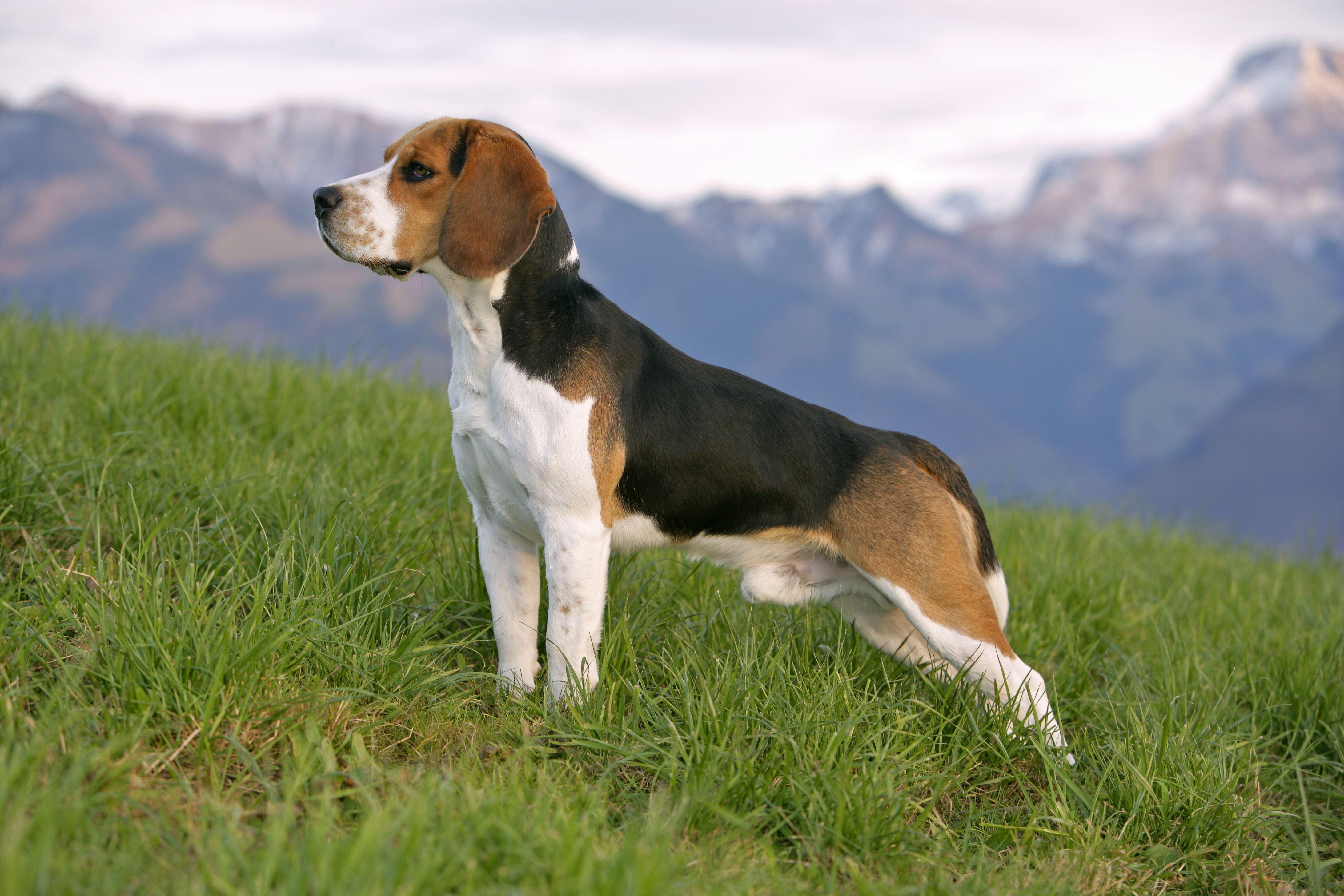
Run your hands over the skin after brushing. Look for redness, bumps, or parasites. Regular brushing is also a good time to monitor your Pet Beagle’s overall health and spot any issues early.
Channel hunting instincts with exercise
A Pet Beagle is a scent hound built for tracking, not just walking. Without an outlet for this drive, your dog will likely invent his own activities, which usually involve digging, barking, or bolting through an open gate. The goal is to provide physical movement that also satisfies the mental need to follow a trail.
Use a secure, double-latch fence
Standard pet store gates are often insufficient for a determined Beagle. They can jump, squeeze through gaps, or simply push through weak latches. Install a fence at least six feet high with no gaps at the bottom. Use a double-latch system on the gate to prevent accidental escapes. This physical barrier is the first line of defense against your dog following a scent trail out of your yard.
Implement leash training before off-leash time
Never assume a Beagle will come back when called, especially if they catch an interesting smell. Practice recall in a fully enclosed area using high-value treats. Start with short distances and gradually increase the difficulty. If your dog breaks focus, use a long-line leash (15-30 feet) to maintain control without dragging them back harshly. This teaches them that staying near you is more rewarding than chasing a squirrel.
Incorporate scent work into walks
Turn routine walks into hunting exercises. Hide treats or toys in the grass, bushes, or under logs during your walk. Let your Beagle use their nose to find the reward. This engages their primary sense and tires them out mentally faster than physical running alone. It also redirects their energy away from chasing live animals and toward structured play.
Provide structured off-leash time in safe zones
Find a local dog park or enclosed field where off-leash activity is permitted and safe. Ensure the area is free of heavy traffic and aggressive dogs. Allow your Beagle to run freely in this controlled environment to burn off excess energy. Always keep a close eye on them, as their instinct to chase can override training in high-distraction areas.
Monitor for signs of overexertion
Beagles are endurance hunters, but they can still overheat or injure themselves. Watch for excessive panting, lagging behind, or seeking shade. Provide fresh water frequently, especially in warm weather. Adjust the intensity of exercise based on your dog’s age, health, and weather conditions. A tired Beagle is a happy, well-behaved companion.
Prepare for common health issues
Start the Care for a Pet Beagle search by preparing the enclosure before money changes hands. A responsible seller should be able to explain age, diet, lighting, temperature range, shedding history, and recent behavior without rushing you toward a deposit. Ask for current photos, feeding notes, hatch date or estimated age, and any health records before you schedule pickup or shipping. If the answers are vague, the animal looks underweight, or the seller cannot explain basic care, keep looking.
Use the checklist as a welfare screen: verify the source, health signs, enclosure readiness, paperwork, and transport plan before paying.
Frequently asked questions about beagles
Is a Beagle a good house pet?
Beagles are generally wonderful family companions, known for being merry, loving, and companionable. The American Kennel Club describes them as happy dogs that thrive on interaction. However, they require significant supervision and activity. Because they are scent hounds, they are prone to following their nose into trouble if left unsupervised, so a secure environment and regular mental stimulation are essential for a peaceful home life.
What colors are not accepted for Beagles?
While standard tri-colors and bi-colors like tan/white, lemon/white, red/white, and chocolate/white are acceptable, certain patterns are excluded from breed standards. Merle and brindle color patterns are not accepted for the Beagle. Ticking, which appears as small spots of color, is considered equally acceptable in the breed standard.
Do Beagles get along with other dogs?
As pack animals bred for hunting in groups, Beagles typically enjoy the company of other dogs. They are social creatures that often prefer not to be alone for long periods. Introducing them to other dogs early can help reinforce their natural pack instincts, making them easier to manage in multi-pet households.
No comments yet. Be the first to share your thoughts!