

Start with the right food
Beagles have a reputation for loving food, but that enthusiasm is a liability. This breed is prone to rapid weight gain, which strains joints and shortens lifespan. The difference between a healthy Beagle and an overweight one often comes down to how you measure their daily intake. Free-feeding is the fastest way to compromise their health.
Measuring portions precisely is the most effective weight management strategy. Unlike free-feeding, where food is available all day, measured portions ensure your Beagle gets exactly what they need without excess calories. This discipline prevents the "Beagle belly" that leads to mobility issues later in life.
The table below compares the two primary feeding approaches to highlight why measurement matters for weight control.

| Feature | Free-Feeding | Measured Portions |
|---|---|---|
| Calorie Control | Low (constant access) | High (exact amounts) |
| Weight Gain Risk | Very High | Low |
| Portion Visibility | None | Clear |
| Dietary Consistency | Variable | Consistent |
Choosing measured portions gives you control over your Beagle's diet. It transforms feeding from a passive habit into an active health management tool. This simple shift lays the groundwork for a longer, more energetic life.
Manage the Weekly Shedding Routine
Beagles carry a dense, weather-resistant double coat that sheds year-round, with noticeable spikes during seasonal transitions. Unlike breeds that shed in clumps, a Beagle releases fine undercoat hairs that cling to fabrics and linger in the air. Treating shedding as a weekly maintenance task rather than a sporadic chore keeps the coat healthy and your home cleaner.
1. Brush with a Slicker Brush
Start with a slicker brush to lift loose undercoat and prevent matting. Use short, gentle strokes following the direction of hair growth, focusing on high-friction areas like the neck, back, and tail base. This step removes the bulk of dead hair before it falls onto your furniture. Aim for 10 to 15 minutes per session to avoid irritating the skin.
2. Remove Tangles with a Greyhound Comb
Switch to a metal Greyhound comb to check for remaining tangles or mats, particularly behind the ears and under the legs. The fine teeth catch debris that the slicker brush misses. If the comb glides through smoothly, the coat is ready for the next step. If you encounter resistance, work through small sections with your fingers or a detangling spray.
3. Wipe Down with a Rubber Grooming Mitt
Use a rubber grooming mitt or a damp rubber glove to gather the finest hairs that remain after brushing. The rubber texture creates static and friction that pulls loose hairs from the topcoat. Wipe in one direction from head to tail. This step is especially effective for removing hair from the face and paws, which are common trouble spots.
4. Vacuum and Wash Bedding
Clean the immediate area where you groomed to capture airborne dander and loose fur. Vacuum carpets, rugs, and upholstery using a HEPA filter to trap small particles. Wash the Beagle’s bedding in hot water weekly to remove embedded hair and allergens. Keeping the sleeping area clean reduces the amount of hair that redistributes throughout the house.
5. Bathe Only When Necessary
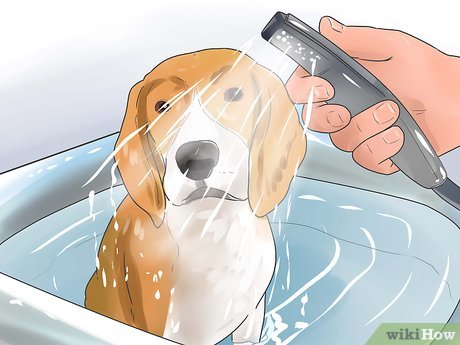
Bathe your Beagle only every 4 to 6 weeks or when they get particularly dirty. Over-bathing strips natural oils from the skin, leading to dryness and increased shedding. Use a gentle, dog-specific shampoo formulated for sensitive skin. Always rinse thoroughly to remove all residue, which can irritate the coat if left behind.
Channel the hunting instinct
Beagles were bred to track rabbits by scent, a trait that makes them bold, adventurous, and relentlessly curious. Without an outlet for this drive, that energy turns into boredom, which often manifests as digging, barking, or escaping. Managing a Beagle means satisfying the nose before the legs.
1. Scent work before physical exercise
Start with mental stimulation. Use snuffle mats, scatter kibble in the grass, or hide treats around the house for a "find it" game. This engages their primary sense and tires them out faster than a short walk. Once their nose is satisfied, move to physical activity.
2. Leashed walks and secure environments
Beagles are scent hounds. If they catch an interesting smell, they will follow it, often ignoring recall commands. Always walk them on a secure leash in unfenced areas. Never let them off-leash unless you are in a completely enclosed space. Their instinct to track is stronger than their desire to please.
3. Structured play and enrichment
Incorporate structured play like flirt pole sessions or agility courses. These activities mimic the chase and catch of hunting, providing both physical exercise and mental focus. Rotate toys regularly to keep things novel. A bored Beagle is a destructive Beagle.
4. Daily consistency
Consistency is key. Aim for at least one hour of combined mental and physical activity daily. Split this into two walks and short training sessions. A tired Beagle is a well-behaved Beagle. Without this routine, their high energy and scent-driven personality will overwhelm your home.
Build a daily care checklist
Consistency is the backbone of a happy beagle. These scent hounds thrive on routine, and a predictable daily schedule helps manage their high energy and food motivation. By anchoring your day around three core tasks—feeding, walking, and grooming—you create a stable environment that reduces anxiety and behavioral issues.
Start the morning with a measured breakfast. Beagles are notorious for overeating, so use their daily kibble allowance for training treats throughout the day rather than free-feeding. This keeps their weight in check and gives you a tool to reinforce good behavior during walks.

Measure their morning and evening meals based on their ideal weight, not just the bag’s recommendation. Reserve 20% of their daily calories for training rewards to prevent obesity, a common health risk for this breed.

Take a brisk 30- to 45-minute walk twice a day. Beagles were bred to hunt, so they need physical exercise and mental stimulation. Let them sniff during the walk; it’s their primary way of processing the world.
Brush their short coat once a week to remove loose hair and distribute skin oils. Check their ears weekly for signs of infection, as their floppy ears trap moisture and debris. Trim nails if you hear them clicking on the floor.
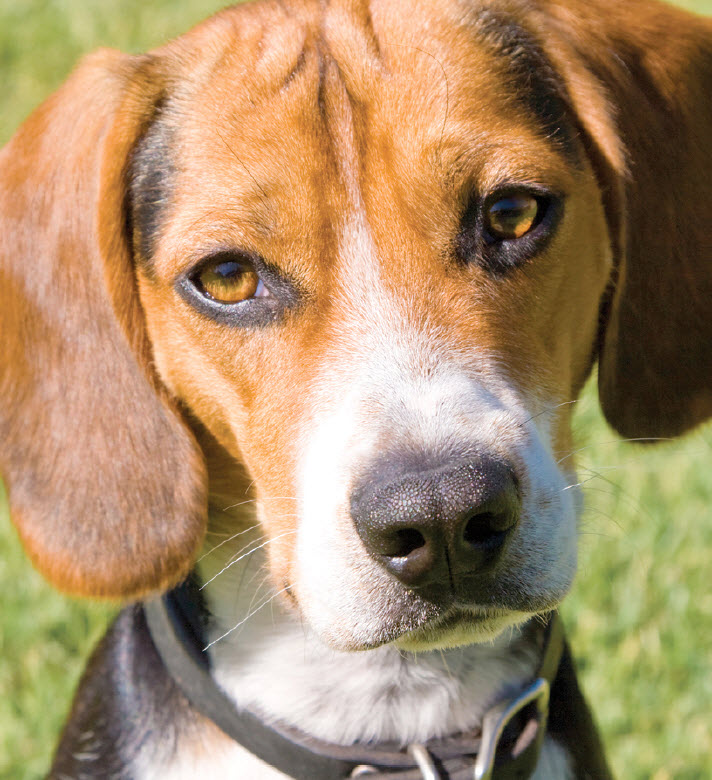
A simple checklist keeps you from missing small but important details. Keep this list on your fridge or in your phone notes. Over time, these actions become second nature, ensuring your beagle stays healthy, happy, and well-behaved.
Common beagle care: what to check next
Beagles are affectionate companions that thrive with children and other dogs, but their strong scent drive and energy levels require specific management strategies. Below are direct answers to frequent concerns about feeding, exercise, and health maintenance for this scent hound breed.
No comments yet. Be the first to share your thoughts!