

Get beagle care right
Before you start managing shedding or adjusting diet, you need to address the breed’s primary instinct: following its nose. Beagles are scent hounds, not just companion dogs. Their drive to track smells is powerful and often overrides obedience training if not properly channeled. This section outlines the non-negotiable prerequisites for keeping a beagle safe and healthy.
Secure your perimeter
Beagles will escape if they can. A standard 4-foot fence is often insufficient because they can squeeze through gaps or jump over low barriers. You need a secure, tall fence with no gaps at the bottom. If you have a yard, ensure there are no holes they can dig under. Indoor safety is equally critical; beagles are curious and will chew on electrical cords, toxic plants, or small objects. Puppy-proofing is not a one-time task but a constant practice.
Establish a routine
Beagles thrive on structure. Their high energy levels and food motivation mean they require consistent exercise and measured meals. Without a routine, they can become destructive or overweight. Plan for at least two long walks or one vigorous play session daily. Use puzzle feeders to slow down their eating and engage their brains. This helps manage their shedding by reducing stress-related hair loss and keeps their weight in check.
Prepare for the noise
Beagles are vocal. They bay, howl, and bark, especially when they catch a scent or feel bored. This is not a breed for quiet apartments or close neighbors without consideration. If you live in a condo or have thin walls, this is a significant lifestyle trade-off. Training them to be quiet requires patience and consistency, but the instinct will always be there.
Walk through the beagle care steps
Beagles are scent-driven hounds that require consistent management rather than complex training. Their care revolves around three non-negotiable pillars: shedding control, strict diet management, and secure containment. Because they are prone to following their nose, routine maintenance is less about aesthetics and more about preventing health issues and escape attempts.
1. Establish a heavy shedding routine
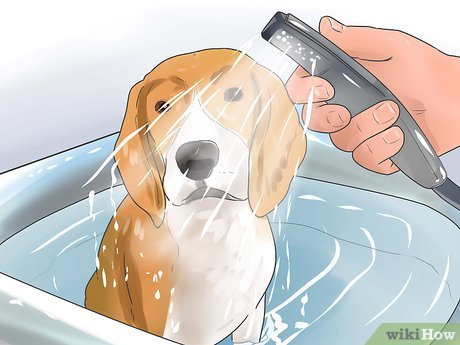
Beagles are moderate-to-heavy shedders with a double coat that traps dander and loose hair. Without a structured grooming schedule, you will find fur on your clothes, furniture, and food. Brushing their coat twice a week with a slicker brush removes dead undercoat before it sheds around the house. During seasonal changes in spring and fall, increase brushing to daily intervals to manage the "blowing coat" phase. Bathe them only when necessary, as over-bathing strips natural oils and can worsen skin irritation.
2. Control portions to prevent obesity
Beagles have an insatiable appetite and are genetically predisposed to obesity. Obesity leads to joint pain, diabetes, and heart strain, which significantly shorten their lifespan. Measure every meal using a standard measuring cup rather than eyeballing portions. Stick to a consistent feeding schedule—typically two meals a day—rather than leaving food out all day (free-feeding). Use their daily kibble allowance as part of their training rewards to avoid adding extra table scraps or high-calorie treats to their diet.
3. Secure your home and yard
Beagles are notorious escape artists because their instinct to track a scent overrides their desire to stay close. A simple fence is not enough if it has gaps or if they can dig under it. Inspect your yard monthly for weak spots, particularly along fence lines. When walking, use a secure harness rather than a collar, as neck pressure can cause tracheal damage if they lunge at a scent. Never let them off-leash in unsecured areas; their prey drive is too strong for recall training to be reliable in high-distraction environments.
4. Provide daily mental and physical exercise
A tired Beagle is a well-behaved Beagle, but physical exhaustion alone is not enough. These dogs need mental stimulation to prevent destructive boredom. Aim for at least 60 minutes of activity daily, combining brisk walks with nose work. Hide treats in the yard or use puzzle feeders to engage their scenting abilities. Without this outlet, they may develop nuisance behaviors like excessive baying or chewing on household items.
5. Schedule regular veterinary checks
Beagles are prone to specific health issues including hypothyroidism, epilepsy, and cherry eye. Regular vet visits catch these conditions early. Keep up with vaccinations and parasite prevention, as their love for sniffing the ground exposes them to ticks and fleas more than many other breeds. If you are considering a Beagle Lab mix, be aware that mixed breeds can inherit the Lab’s higher energy levels and the Beagle’s stubbornness, requiring even more structured exercise and patience.
Fix common mistakes
Beagles are charming but notoriously difficult to manage if you underestimate their instincts. The breed’s primary drive is scent, not obedience. When owners treat them like standard companion dogs, they often end up with escaped pets, weight issues, or destructive behavior. These outcomes are rarely due to malice; they are the result of ignoring the Beagle’s specific biological needs.
The most frequent error is insufficient exercise. A Beagle needs more than a quick lap around the block. They require sniffing opportunities and mental engagement to burn off energy. Without this, they will create their own entertainment, usually by digging, chewing, or escaping the yard.
Dietary mistakes are equally costly. Beagles are prone to obesity because they are food-motivated and lack a natural "off switch." Feeding them table scraps or free-feeding dry kibble leads to rapid weight gain, which stresses their joints and shortens their lifespan. Strict portion control and limited treats are non-negotiable.
Finally, many owners fail to provide adequate supervision. Beagles follow their nose into trouble, whether that means eating something toxic, chasing a squirrel into traffic, or wandering off entirely. Leaving a Beagle unsupervised in the yard is a gamble you should not take. Consistent training and secure fencing are the only reliable safeguards.
Beagle care: what to check next
Before bringing a beagle home, it helps to know exactly what daily life looks like with this scent hound. They are affectionate companions, but their strong nose and high energy require specific management strategies.
Work through Beagle Care


No comments yet. Be the first to share your thoughts!